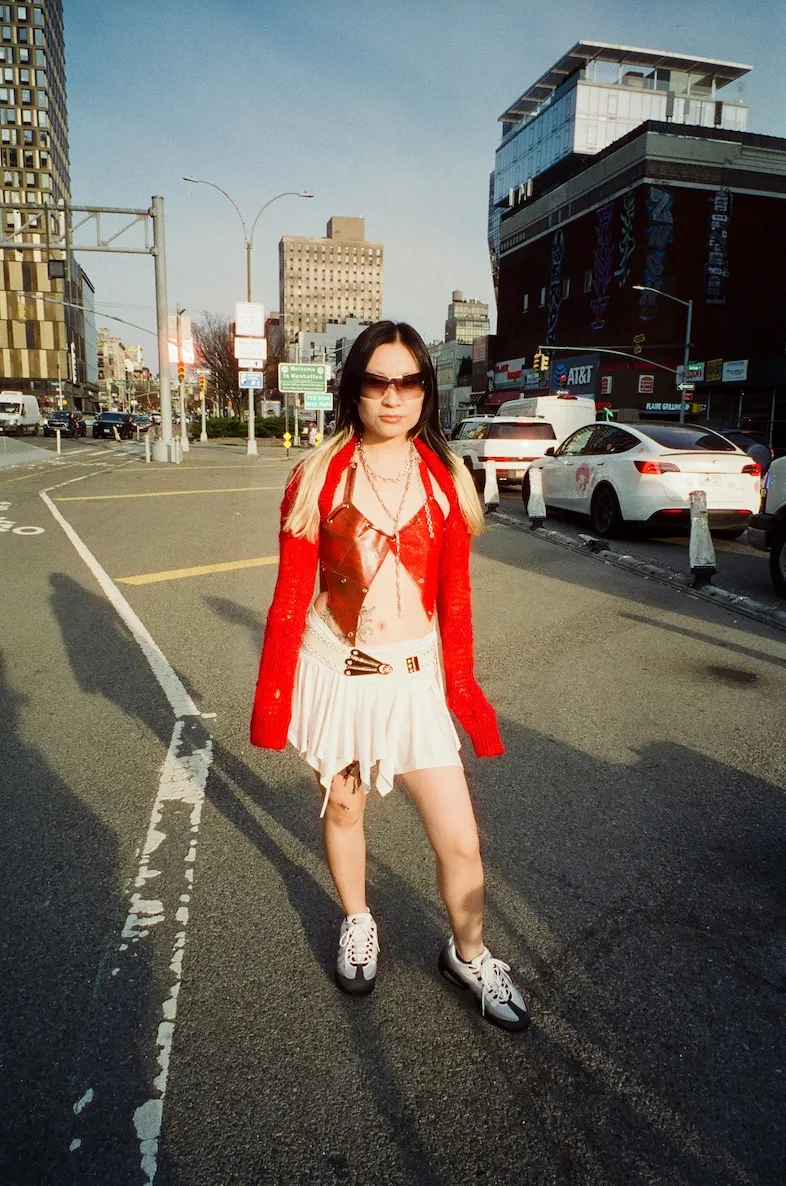
In a fashion landscape that often feels copy-paste at best, Annie Lian is doing something refreshingly different. The 28-year-old New York-based designer has built a self-titled label around a simple but powerful premise: every piece should feel one of a kind.
Craft as a foundation
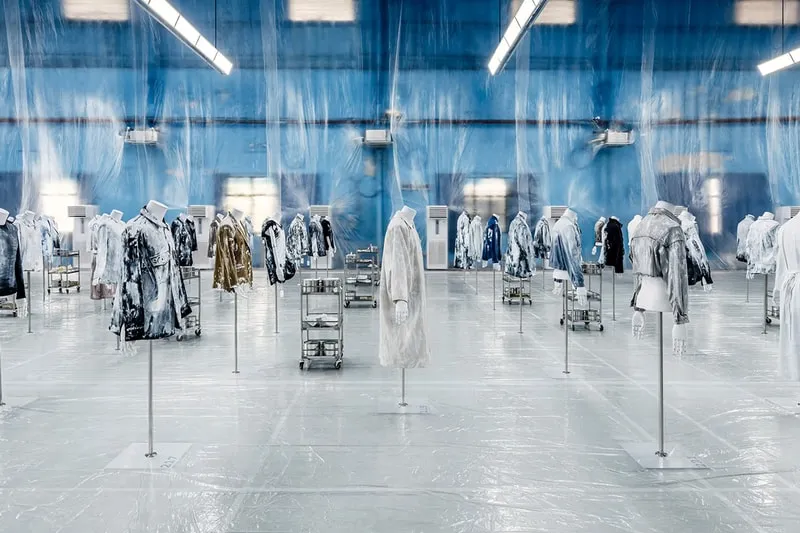
Lian's background gives her serious creative range. With training at both FIT and Central Saint Martins - two of the most respected fashion institutions in the world - she's developed hands-on skills that go well beyond sketching silhouettes. Screen-printing, hand-painting, and other tactile techniques are central to how her label operates, and that shows in the finished work. These aren't pieces that rolled off a production line. They carry the kind of texture and intention that you can actually feel.

That level of craft directly supports the label's sustainability ethos. When garments are made with this much care and individuality baked in, the idea of treating them as disposable just doesn't compute. You don't throw away something that feels like it was made for you specifically.
Why this matters right now
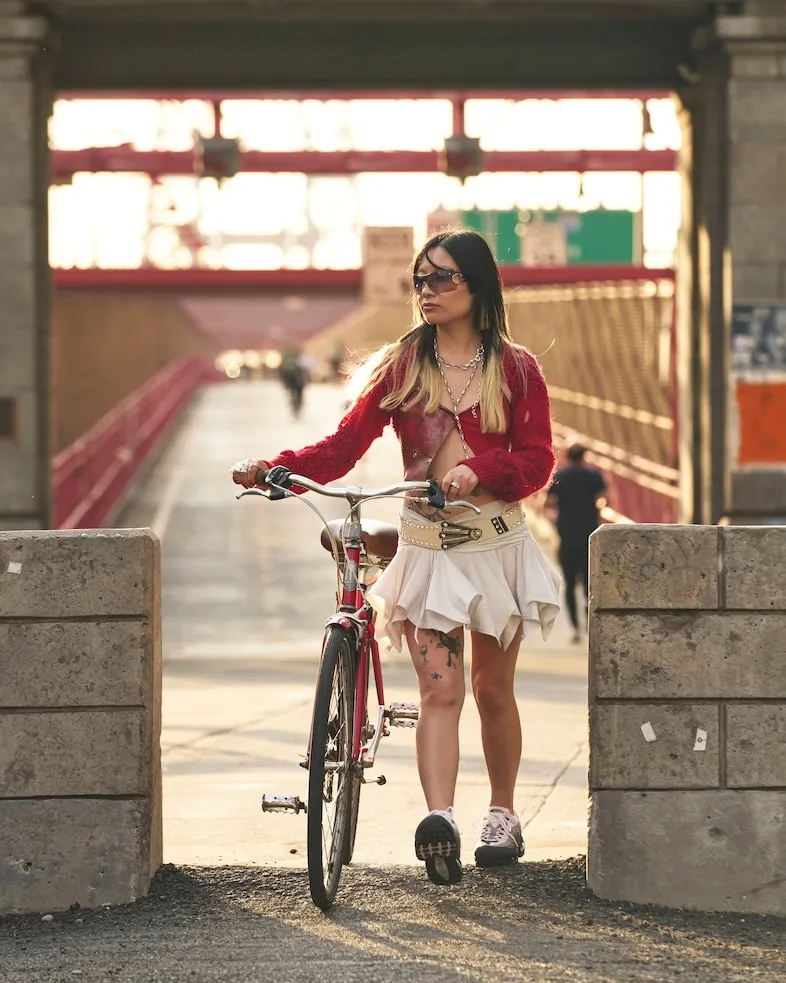
The concept of "airmaxxing" - the term attached to Lian's aesthetic according to Dazed - speaks to something the current generation of fashion-conscious consumers is actively chasing: clothes that feel like an extension of who you are, not just what's trending this season. There's a growing fatigue with the churn of microtrends, and designers who prioritise personal identity over mass appeal are finding an increasingly receptive audience.
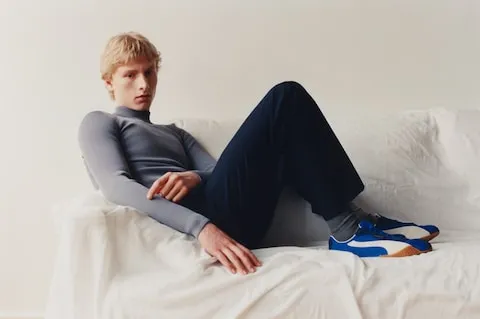
Lian's work slots neatly into that conversation. Her label isn't trying to dress everyone - it's trying to dress you, specifically. That's a harder thing to achieve at scale, which is perhaps exactly why it feels so valuable when it lands.
The bigger picture
What Annie Lian represents is part of a broader shift toward fashion that rewards the individual rather than the algorithm. Sustainability and identity are no longer niche selling points - they're becoming baseline expectations for younger consumers who want to know where their clothes come from and what they actually stand for.
For anyone who's been quietly frustrated by fast fashion's sameness, a label that promises no two pieces are quite alike sounds less like a design choice and more like a relief.