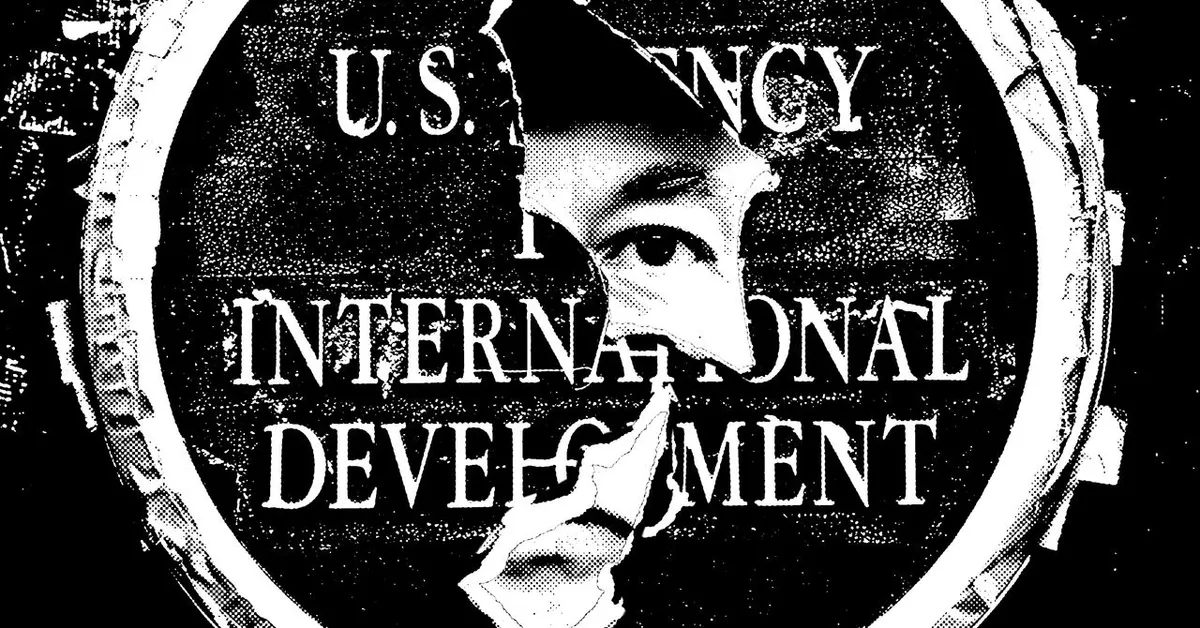
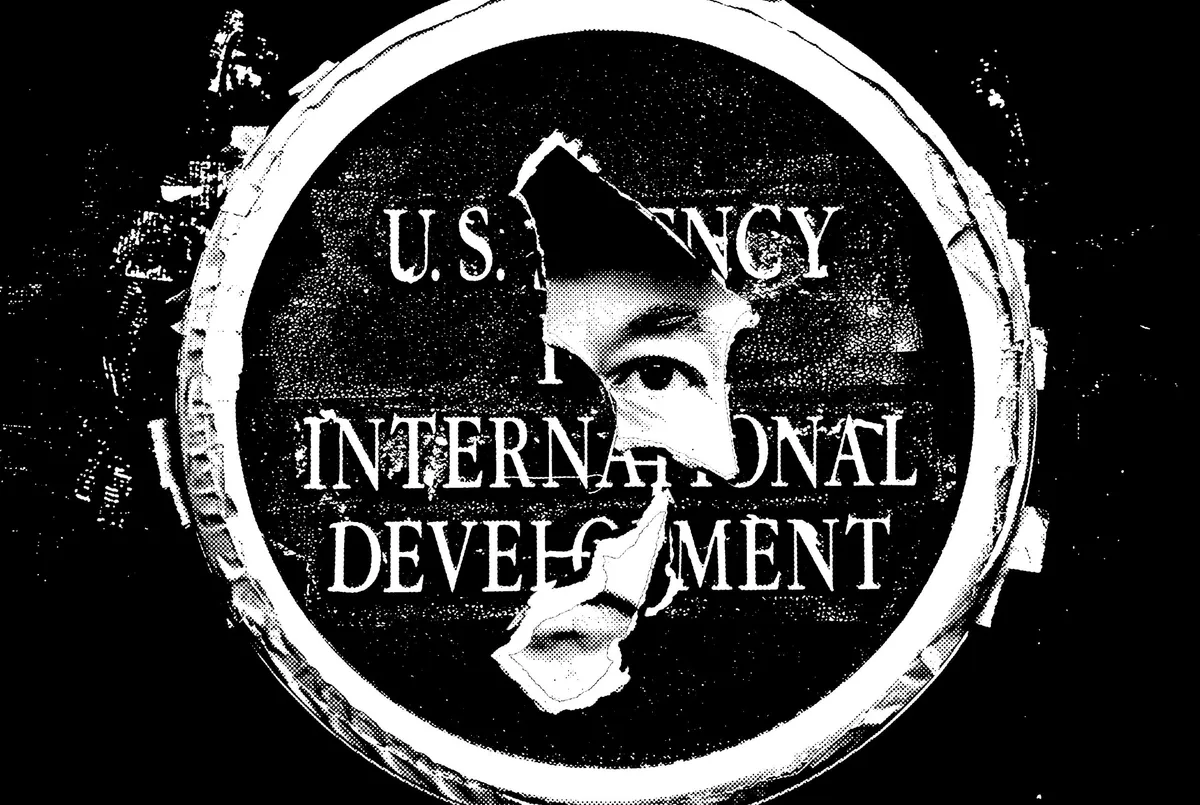
When news broke that the United States Agency for International Development was being gutted, the official framing was relatively controlled - a restructuring, a drawdown, a reassignment of priorities. But a whistleblower account reported by Wired paints a significantly grimmer picture of what actually happened inside the agency.
According to the source, there was a fundamental split in intent from the very beginning. Political appointees may have wanted something that at least resembled an orderly wind-down - quiet, procedural, defensible. DOGE, on the other hand, reportedly wanted something closer to an execution.
Why this matters beyond the politics
It's easy to get lost in the partisan noise around USAID, but the agency's work touches things that affect real people in measurable ways - disaster relief, disease prevention, food security programs operating in some of the world's most fragile regions. How an agency of that scale gets dismantled isn't just a bureaucratic question. It has downstream consequences that can take years to fully surface.
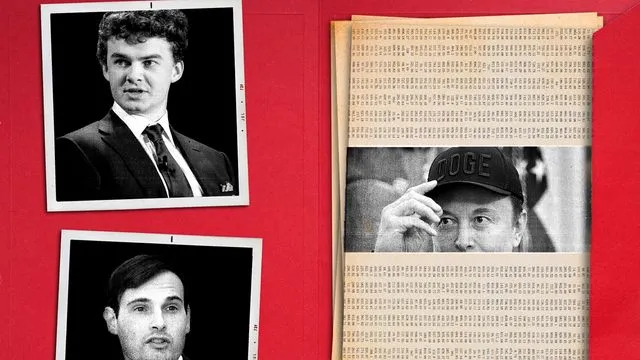
The whistleblower's account suggests the process was chaotic in ways that went beyond policy disagreement. When the people executing a shutdown and the people nominally overseeing it aren't aligned on basic goals - wind down versus wipe out - the result tends to be institutional damage that's hard to reverse, regardless of what happens politically afterward.
The gap between the story we were told and what was happening
This is the part that should give anyone pause, regardless of where they land on the underlying policy debate. There's a difference between dismantling an agency because you believe its mission is misaligned with national interests, and dismantling one in a way that insiders describe as an execution. One is a policy choice. The other raises serious questions about accountability, process, and who actually held decision-making power during the drawdown.
Whistleblower accounts are, by nature, one perspective - and an incomplete one. But they often illuminate the texture of events that official statements deliberately flatten. When someone on the inside says it was worse than people knew, that's worth taking seriously, even if the full picture remains unclear.
As more details emerge from sources inside what remains of the agency, the story of USAID's dismantling is shaping up to be one of the more significant governance stories of the current political moment - whether or not it gets the sustained attention it probably deserves.