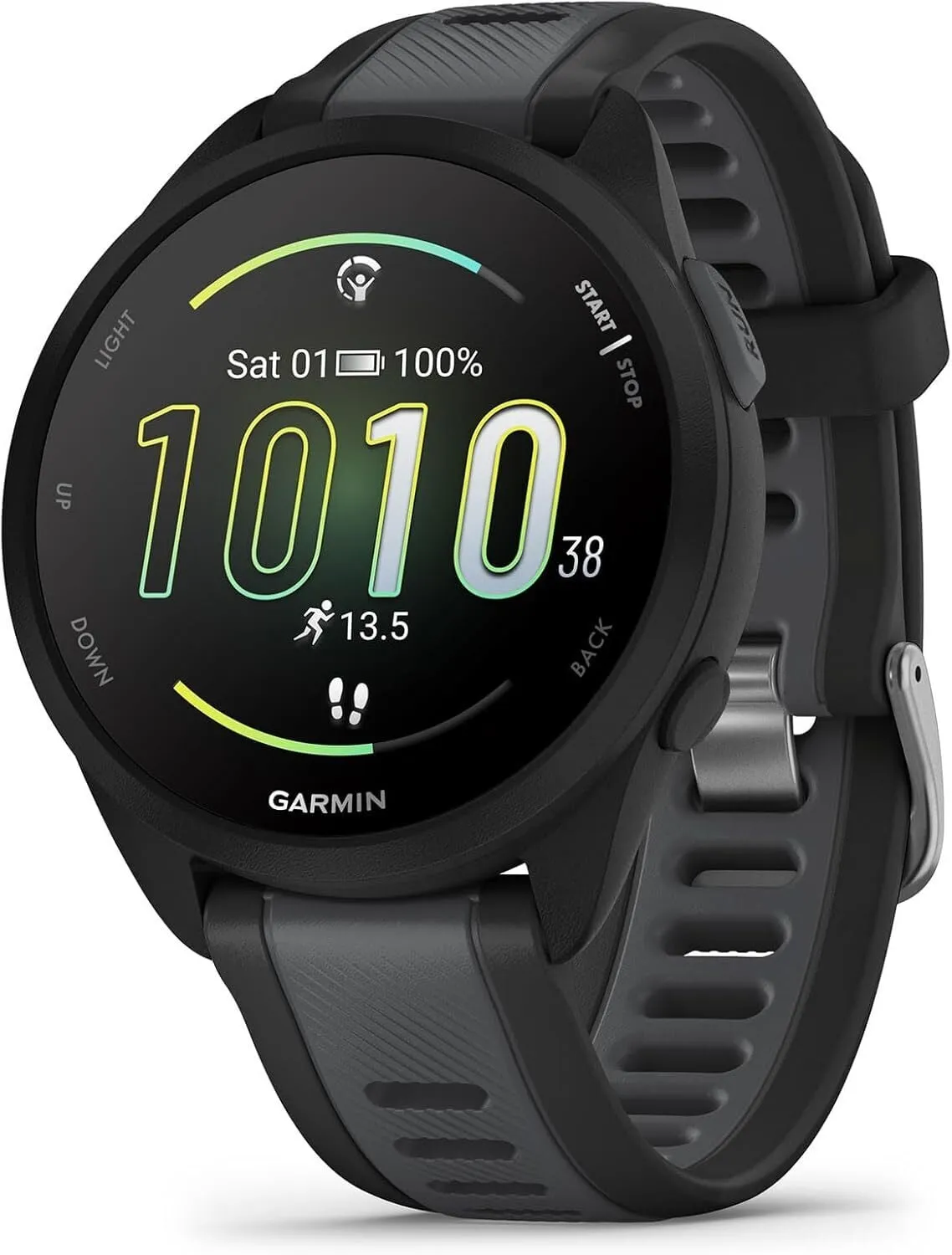
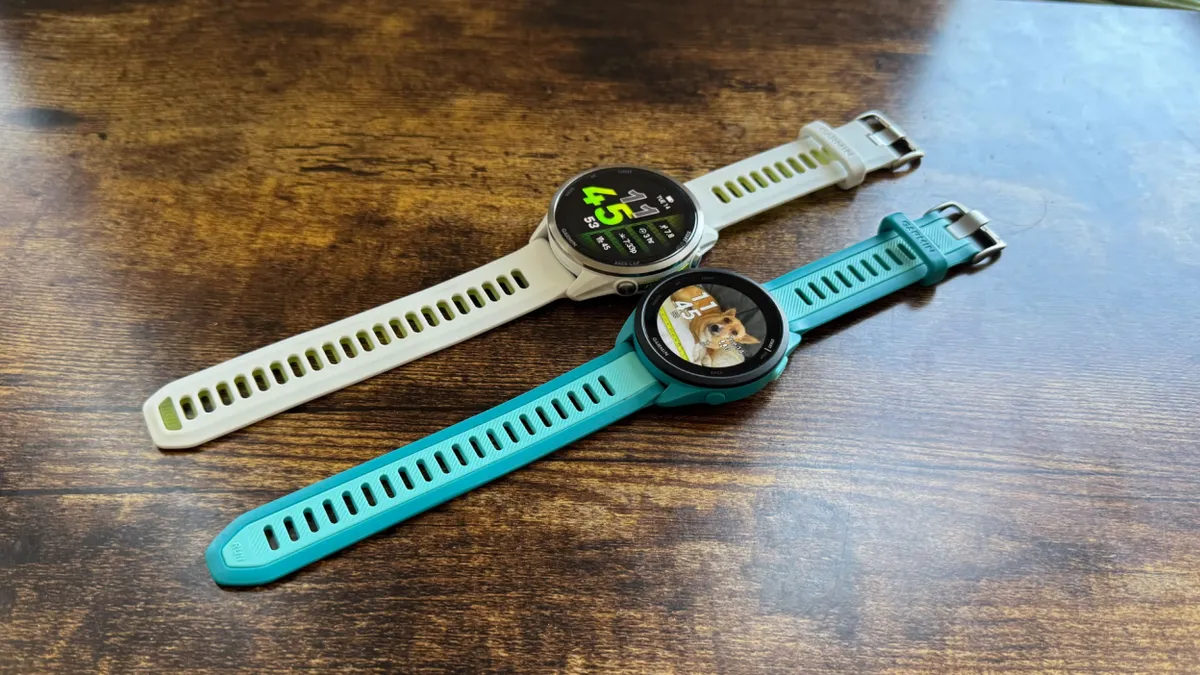
There's a familiar itch that hits most runners at some point: you've got a decent watch on your wrist, but you find yourself wondering what life would be like with the best one. For one writer at Lifehacker, that itch won out - and they made the jump from the Garmin Forerunner 165 to the top-of-the-line Forerunner 970.
The short verdict? For them, it was worth every penny. But - and this is the part worth paying attention to - they're pretty clear that this won't be the case for everyone.
What you're actually paying for
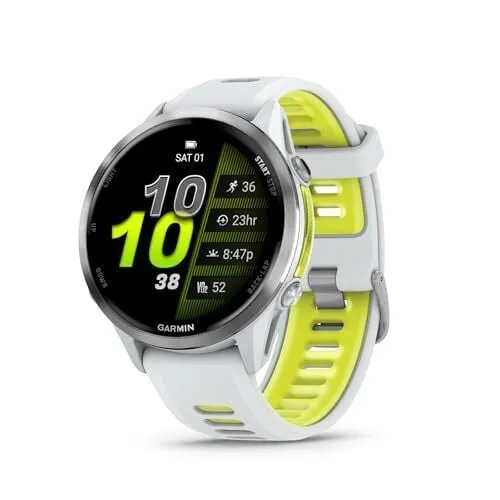
The Forerunner 165 is a genuinely solid running watch. It tracks what most recreational runners need, it's comfortable, and it won't empty your wallet. The 970, on the other hand, sits at the very top of Garmin's running lineup, which means a significantly higher price tag and a suite of advanced features that many casual runners may never actually use.
The upgrade starts to make sense when you're the kind of runner who obsesses over training data, wants deeper performance analytics, and actually engages with everything a watch throws at you. If you glance at your stats once a week and mostly just want to know how far you ran, the 165 - or something in a similar tier - is probably plenty.
The honest case for going premium
What the Lifehacker writer found compelling wasn't just the extra features in isolation - it was how those features worked together to give a richer picture of their training. More advanced running metrics, better battery life, and improved hardware all added up to a watch that felt like a genuine coaching tool rather than just a step counter with GPS.
That said, the jump from entry-level to flagship is a big one, financially and practically. There's a real adjustment period when a watch suddenly has more data than you know what to do with.
So, should you upgrade?
The honest answer is: it depends entirely on where you are in your running journey. If you're training seriously, chasing specific goals, or simply someone who finds deep performance data genuinely motivating, a top-tier Garmin could be a worthwhile investment. If you're running a few times a week for general fitness and fun, the entry-level options are more than capable of keeping up with you.
The best running watch is the one that matches your actual habits - not your aspirational ones. Knowing the difference is half the battle.