
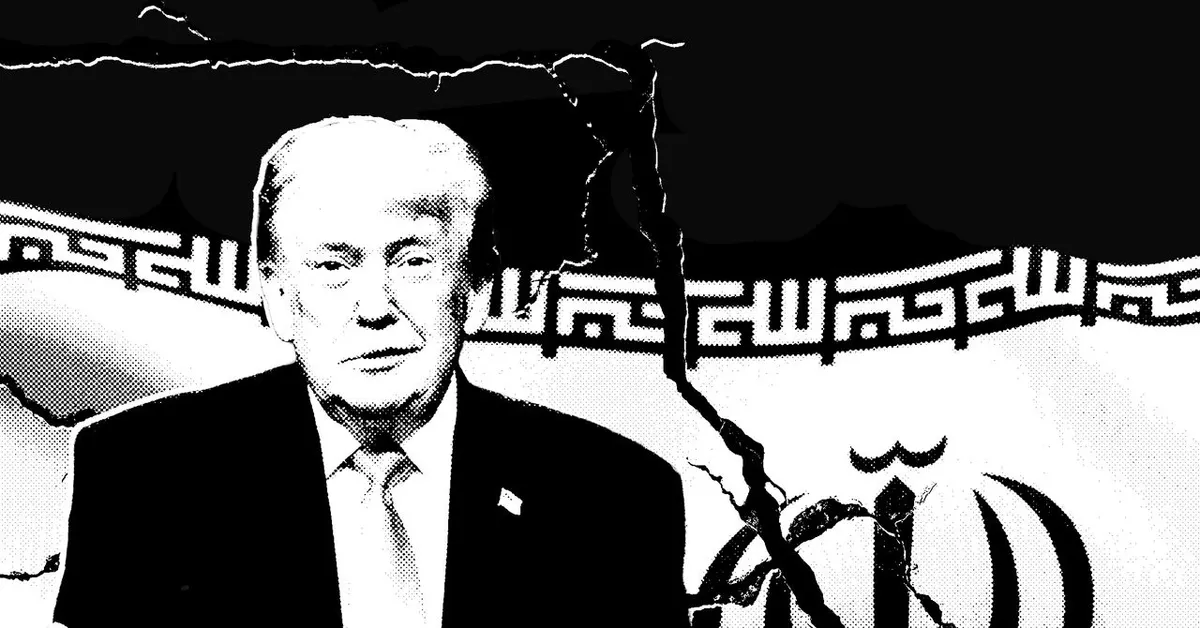
Here's a diplomatic puzzle worth paying attention to: what happens when your own negotiating team has to convince you to accept the deal they just spent weeks building?
That's apparently where things stand with the ongoing Iran negotiations. According to reporting from Wired, US negotiators believe they've landed on a workable framework to end the conflict - but they're now facing the unusual challenge of persuading President Trump to get behind an agreement he has previously rejected.
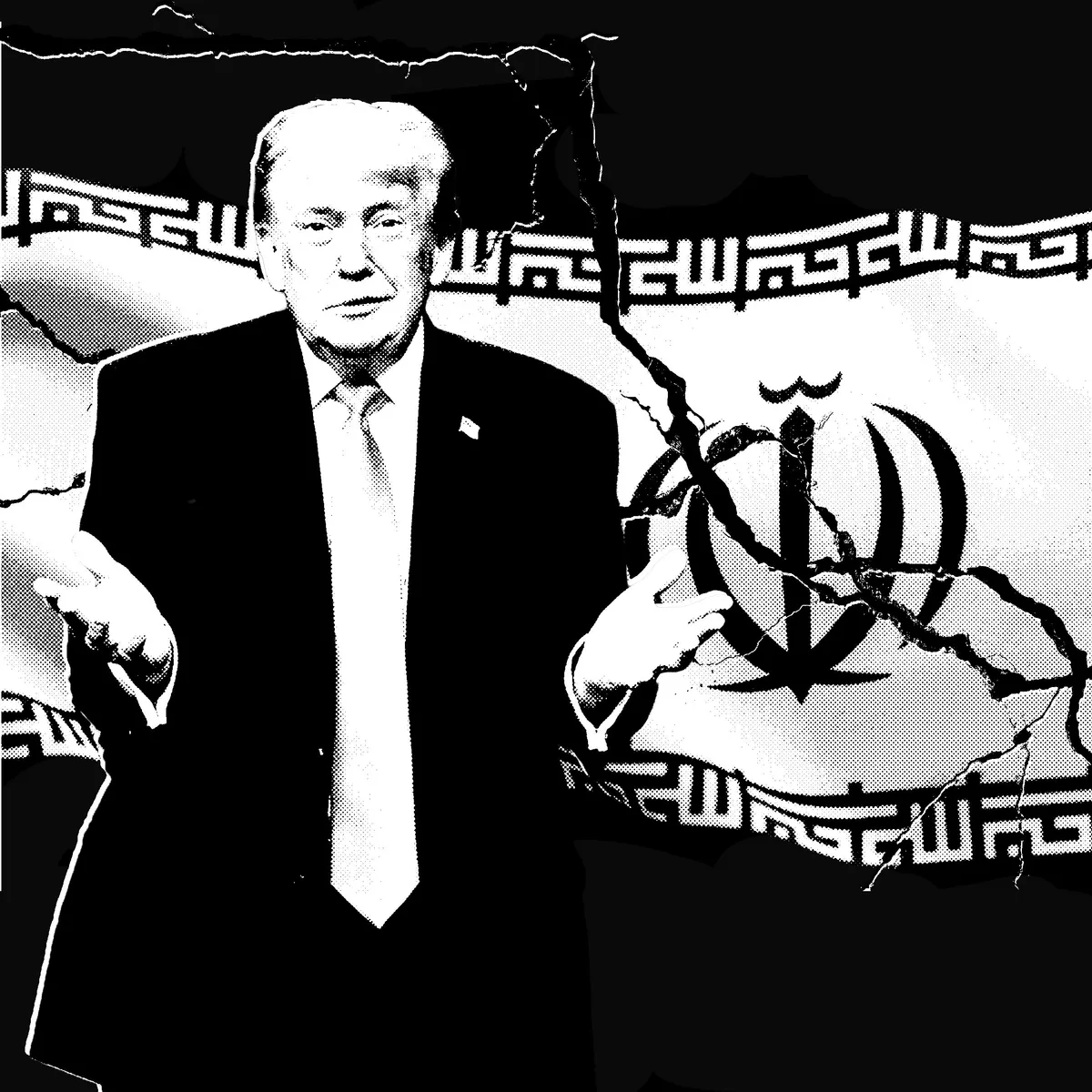
A deal in search of a champion
The situation reflects just how unusual this diplomatic moment is. Typically, negotiators work toward an outcome their principal has already signed off on, at least in broad strokes. The fact that the team appears to be working in the other direction - building something first and selling it second - says a lot about the chaotic nature of these talks.
The negotiations themselves have reportedly been turbulent, with shifting positions and uncertain end goals complicating what is already one of the most sensitive geopolitical situations in the world. Iran's nuclear ambitions, sanctions relief, and regional influence all hang in the balance of whatever framework ultimately gets tabled.
Why this matters beyond the headlines
For most of us, Iran policy can feel distant - the kind of story that lives in the foreign affairs section and rarely breaks through into daily conversation. But the stakes here are genuinely significant. A deal, or the collapse of one, has real implications for global oil markets, regional stability in the Middle East, and the broader question of how nuclear diplomacy works in the current era.
There's also something quietly fascinating about the internal mechanics on display. The gap between what professional diplomats and national security experts believe is achievable - and what a president is willing to accept - is rarely this visible in real time.
What comes next
Whether Trump ultimately gets on board remains an open question. The president has a history of rejecting conventional diplomatic wisdom, sometimes to surprising effect, and sometimes not. His negotiating instincts tend toward the unpredictable, which makes the current back-and-forth with his own team genuinely hard to call.
For now, the people closest to the talks seem to believe a deal is possible - they just have to make that case to the one person whose signature actually matters. It's a reminder that in high-stakes diplomacy, getting to yes at the table is only half the battle. The other half happens a lot closer to home.