Here's a thought that's hard to shake once it's in your head: how many designers out there are quietly scrolling through Wikipedia's subculture categories, hunting for the next aesthetic to mine? It sounds a little cynical, but it's also kind of true. Skateboarding, punk, workwear - fashion has always fed off the energy of underground movements, packaging that raw identity into something palatable for a wider (and wealthier) audience.
The question is what gets lost in that translation. And more importantly, who benefits.
The subculture pipeline
Subcultures don't just offer aesthetic inspiration - they carry real cultural weight. Punk's DIY spirit, skate culture's rejection of mainstream silhouettes, workwear's almost obsessive utilitarianism - these aren't just visual references. They're philosophies built by communities over years. When fashion borrows them, it often strips away the context and keeps the look.
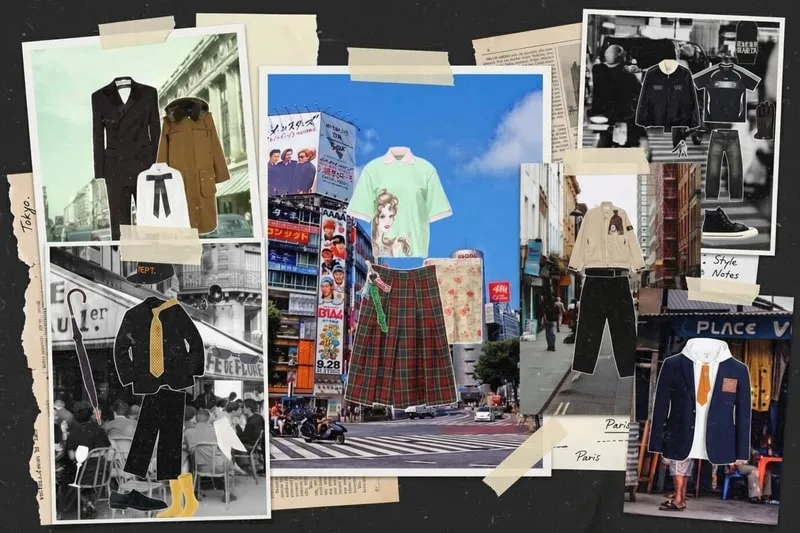
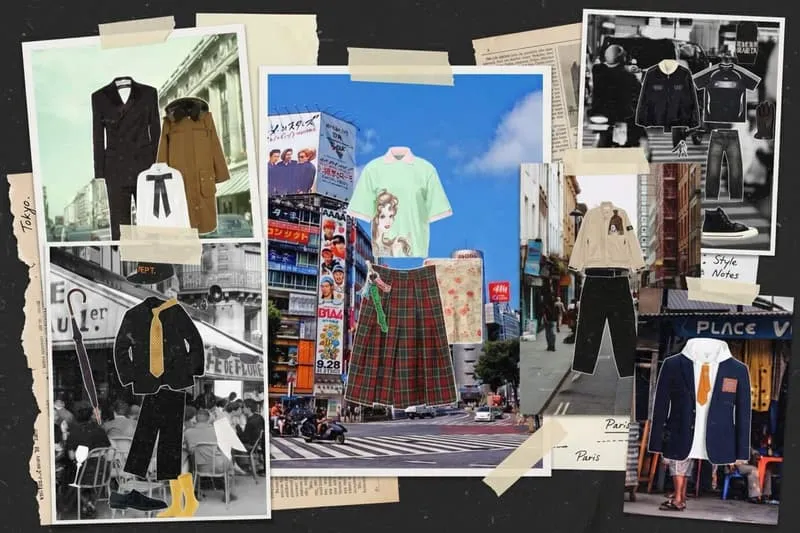
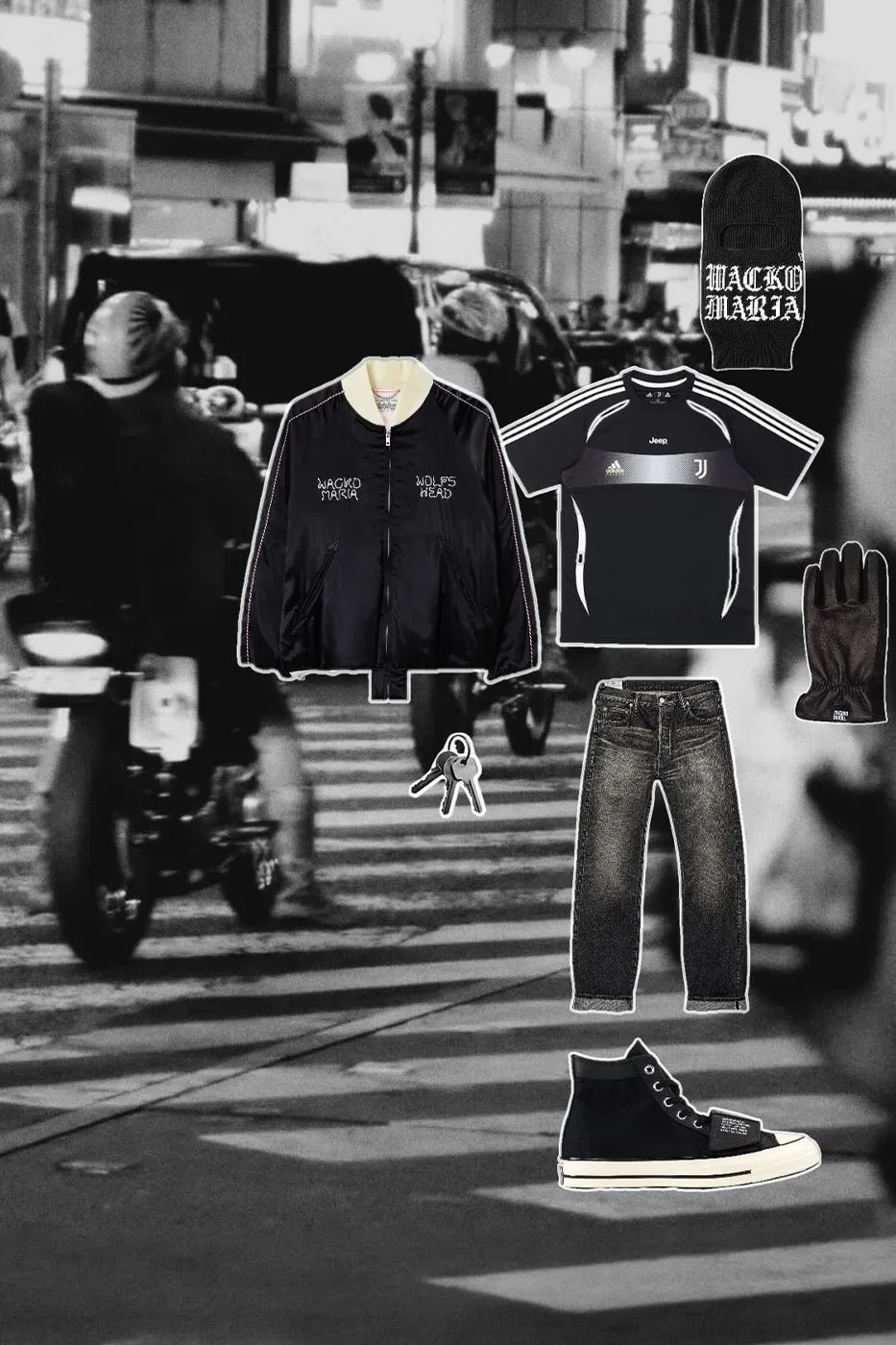
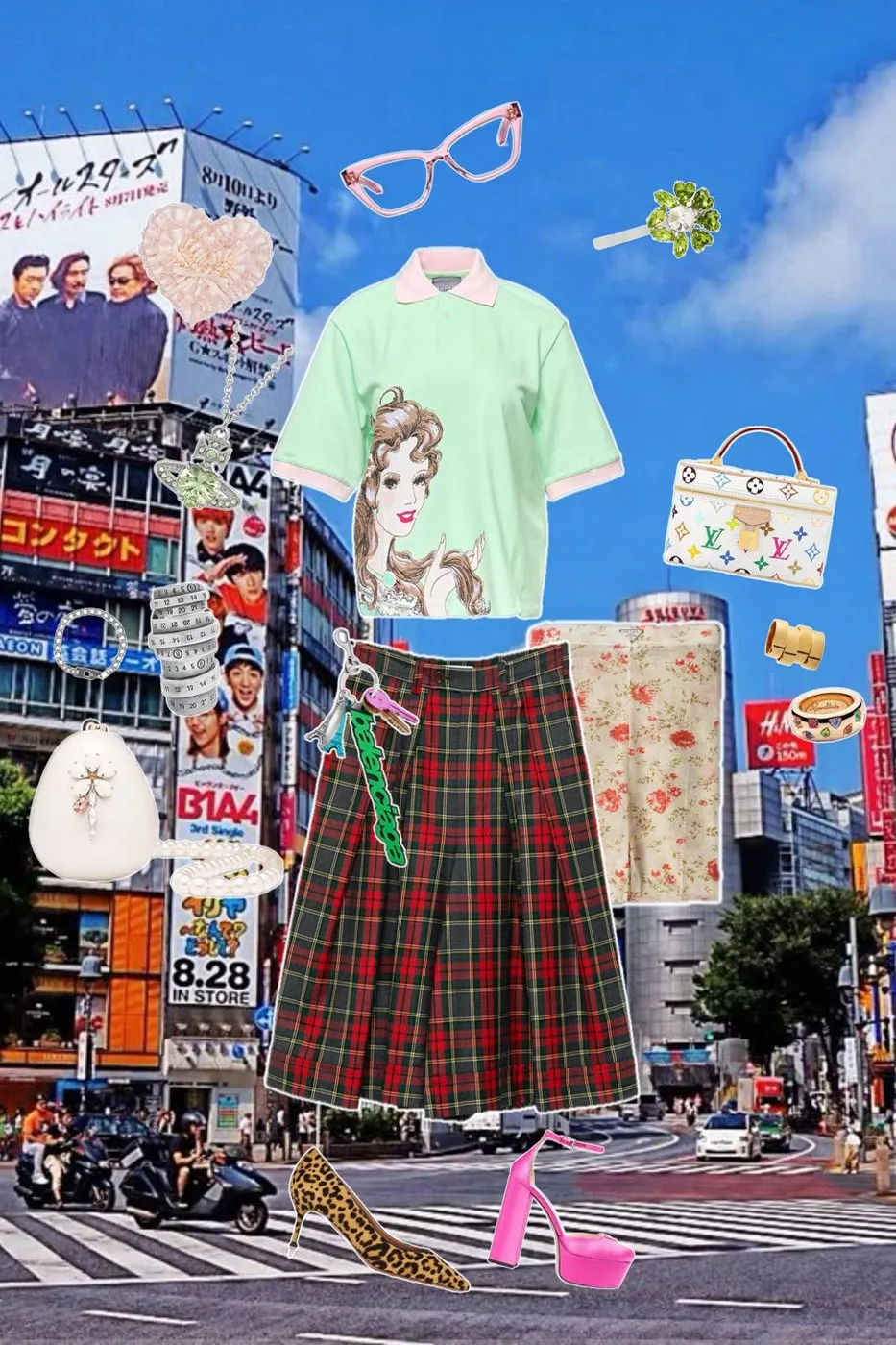
That's the dynamic that REVERSIBLE, as explored in a recent piece from Hypebeast, is pushing back against. The brand is positioning itself around the idea of returning subculture to the moodboard on its own terms - not as raw material to be extracted, but as something with its own integrity and ownership.
Why this matters right now
We're at a moment where conversations about authenticity in fashion have moved well beyond buzzword status. Consumers - especially younger ones - are increasingly aware of the gap between a brand referencing a subculture and a brand actually being embedded in one. That awareness is reshaping what people find compelling.
REVERSIBLE's approach feels timely because it acknowledges that gap openly. Rather than quietly borrowing the visual shorthand of a scene, the brand seems interested in the relationship between fashion and subculture being a more honest, two-way street.
The bigger picture
This isn't just a story about one brand doing something interesting. It points to a broader shift in how we think about inspiration and credit in creative industries. Subcultures have always been the fashion world's most reliable power source - endlessly generative, constantly evolving. But that generativity comes from real people building real communities, not from a Wikipedia rabbit hole.
The brands that figure out how to engage with that authentically - rather than just aesthetically - are the ones worth watching. REVERSIBLE looks like it might be one of them.