There's something almost sacred about the griminess of a real music festival. The mud-caked boots, the borrowed hoodie, the cigarette dangling from someone's fingers at 2am - these aren't aesthetic choices, they're proof of life. And for a long time, festival fashion reflected exactly that energy.
The look that actually meant something
Cast your mind back to the early 2000s and the imagery is instantly recognizable: Keira Knightley and Jamie Dornan in splattered denim, Sienna Miller in a slouchy grey hoodie looking effortlessly undone. British festivals like Glastonbury shaped a style that was weathered, functional and a little rough around the edges. It wasn't curated - it was lived in.
That's the thing about authentic festival fashion. It was never really about fashion at all. It was about freedom, practicality, and a certain willingness to look slightly feral in public. The look emerged naturally from the conditions, and that's precisely what gave it its charm.
Where it all started to go wrong
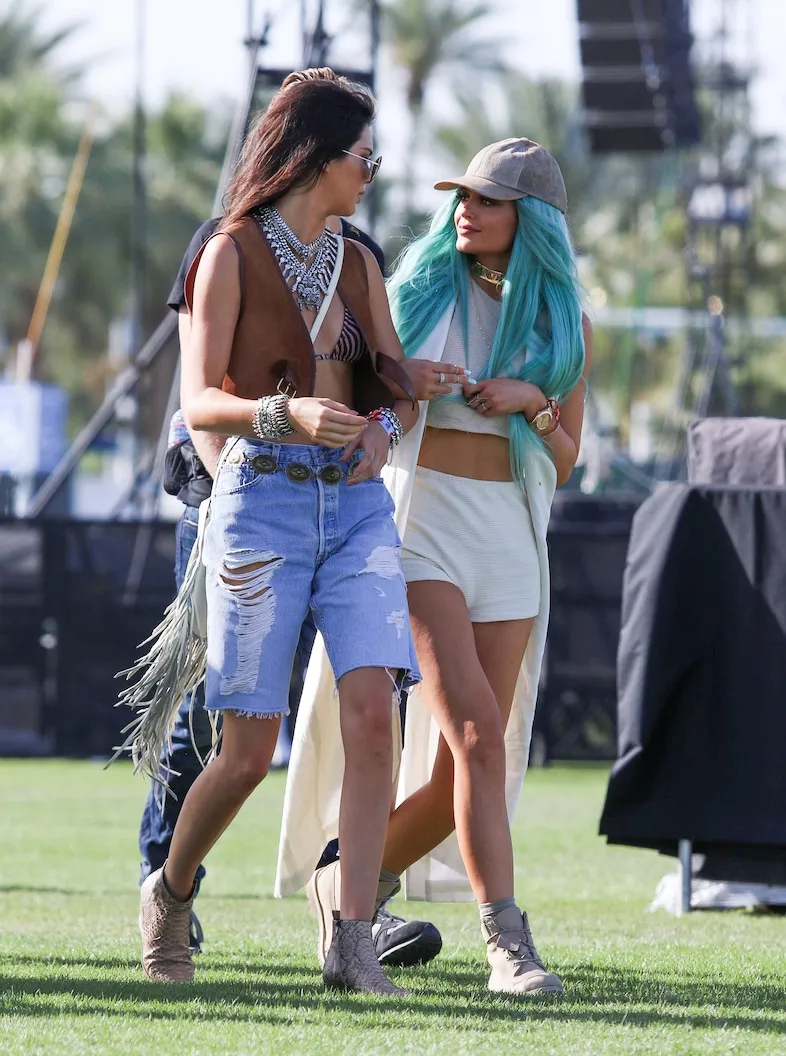
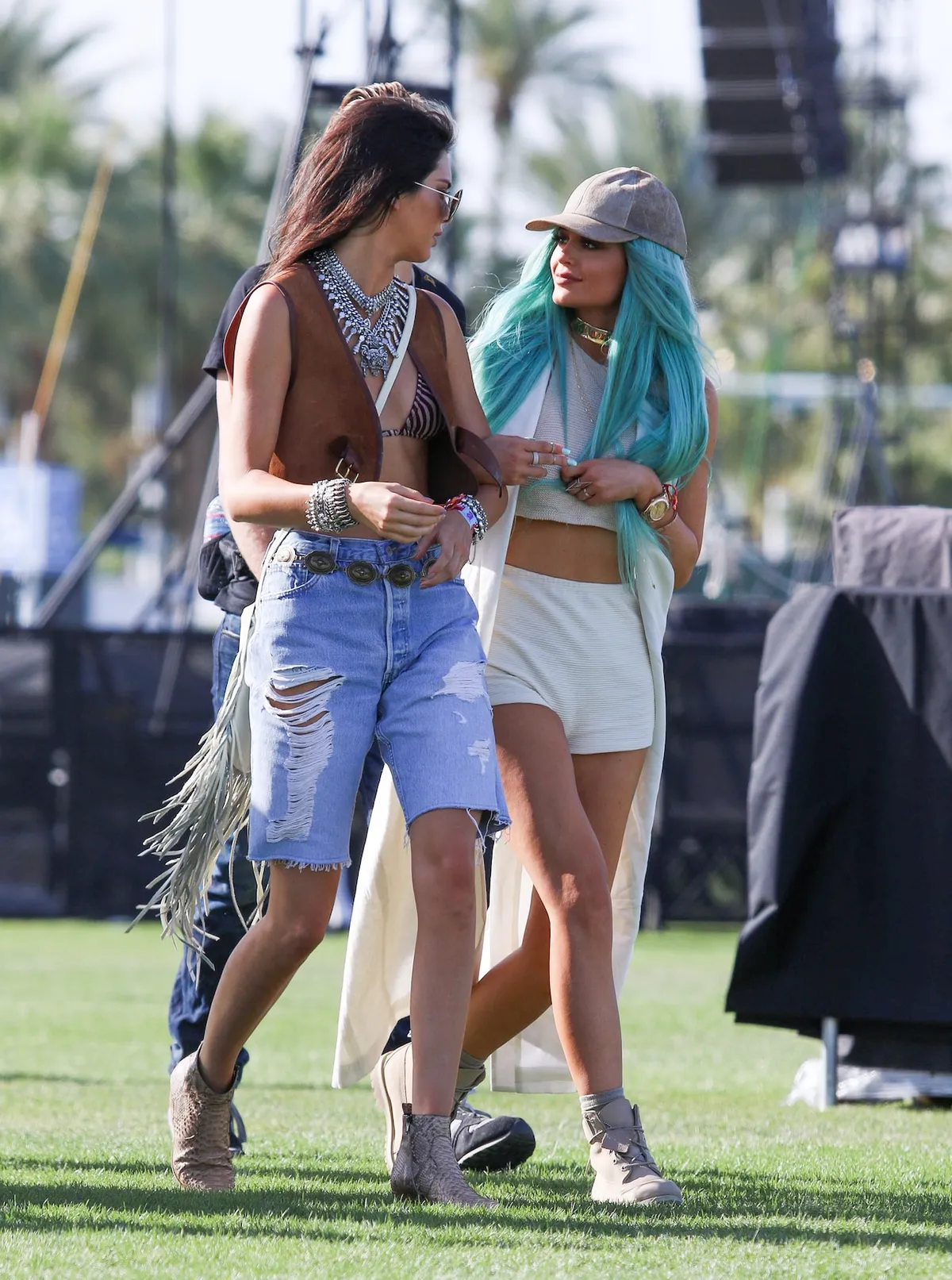
Coachella, with its reliably sunny California backdrop, always operated in a different register. No mud, no chaos - just perfect lighting and plenty of social media potential. Over time, as influencer culture took hold, the festival transformed from a music event into something closer to a content sprint. The outfits became more elaborate, the sponsorships more visible, and the whole thing started to feel less like a gathering and more like a brand activation.
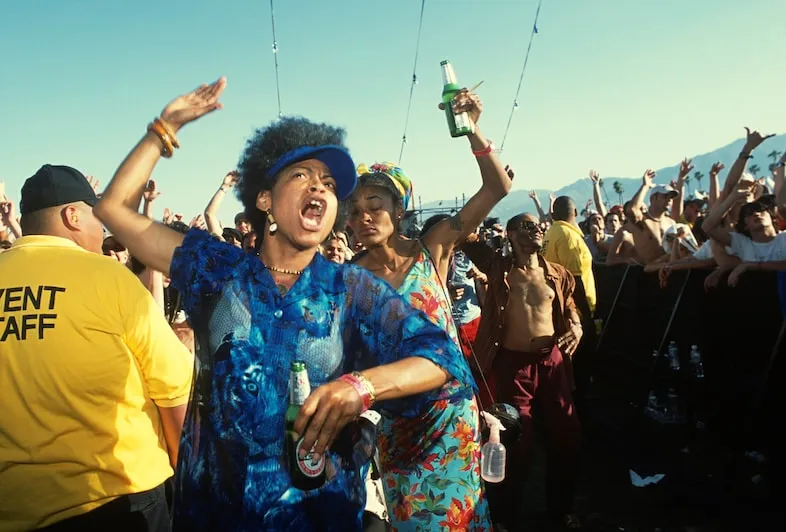
The term "Sheinchella" - a nod to the fast fashion giant's increasing presence in festival wardrobes - captures the shift perfectly. What was once a somewhat organic celebration of boho style has been flattened into a formula: crop tops, rhinestones, platform boots, and a colour palette that photographs well from a distance. According to a piece in Dazed, the soul has quietly left the building.
Why it actually matters
It might be tempting to brush this off as a trivial fashion conversation, but the Coachella aesthetic's transformation is a pretty clear mirror of something bigger. When style becomes entirely performance-based - optimised for content rather than experience - it loses the thing that made it interesting in the first place.
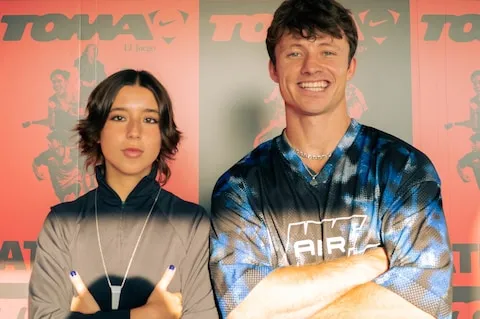
The best festival looks were never about looking good in photos. They were about showing up, getting a bit messy, and dressing for the chaos of real life rather than the clean grid of an Instagram feed. There's something genuinely sad about a festival outfit that couldn't survive a single rainstorm.
Maybe the antidote is simpler than we think: dress for the festival you're actually at, not the one you're performing for. A little mud never hurt anyone's personal style - if anything, it's the whole point.