Milan Design Week and Milan Fashion Week might share a city and a certain rarefied energy, but they're very different beasts. One is about objects, installations, and the future of how we live. The other is about clothes. Except - it's never quite that simple, is it?
As Highsnobiety pointed out, this year's design week was quietly full of fashion moments, hiding in plain sight. Specifically: the staff uniforms. And once you start noticing them, you can't stop.
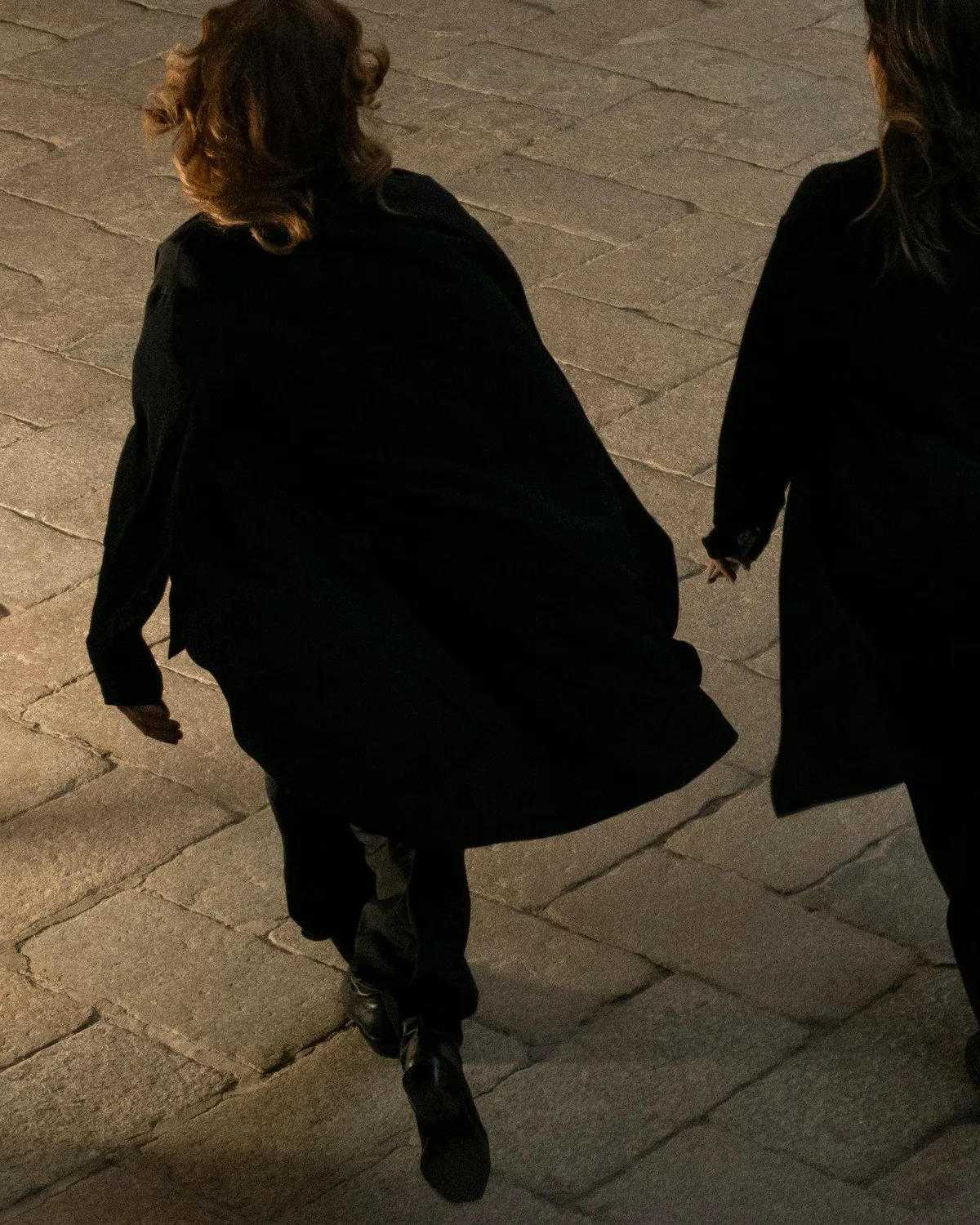
Yohji Yamamoto stole the show (without technically showing)
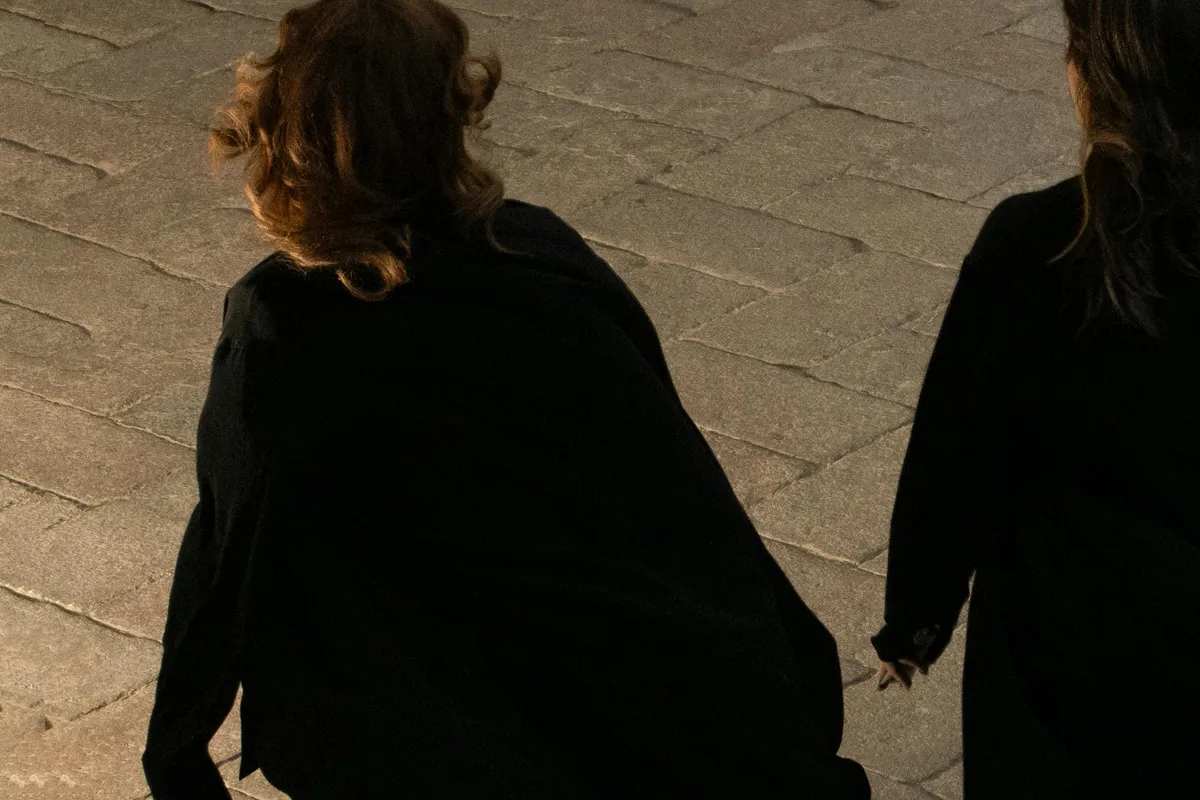
The most talked-about look wasn't on a runway or even on a mood board. It was on the people working the events. Yohji Yamamoto outfitted staff in characteristically sharp, draped, all-black pieces that felt completely at home in a design context - architectural, considered, and quietly commanding.
It makes a certain kind of sense. Design week is a world built around the idea that everything in your environment should be intentional. The chair you sit on, the light fixture above you, the cup in your hand. Why would the people moving through that space be any different?
Where fashion and design blur (in the best way)
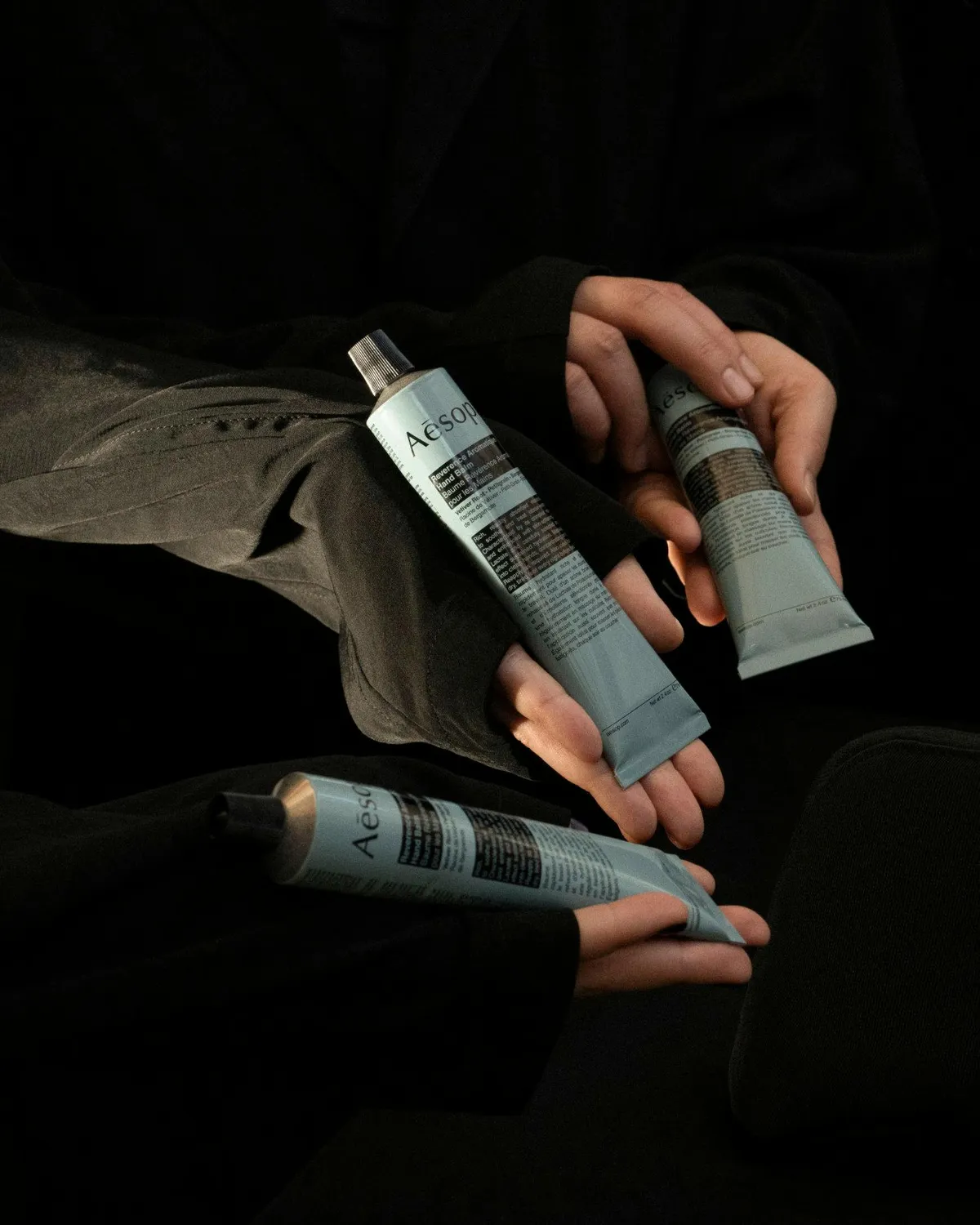
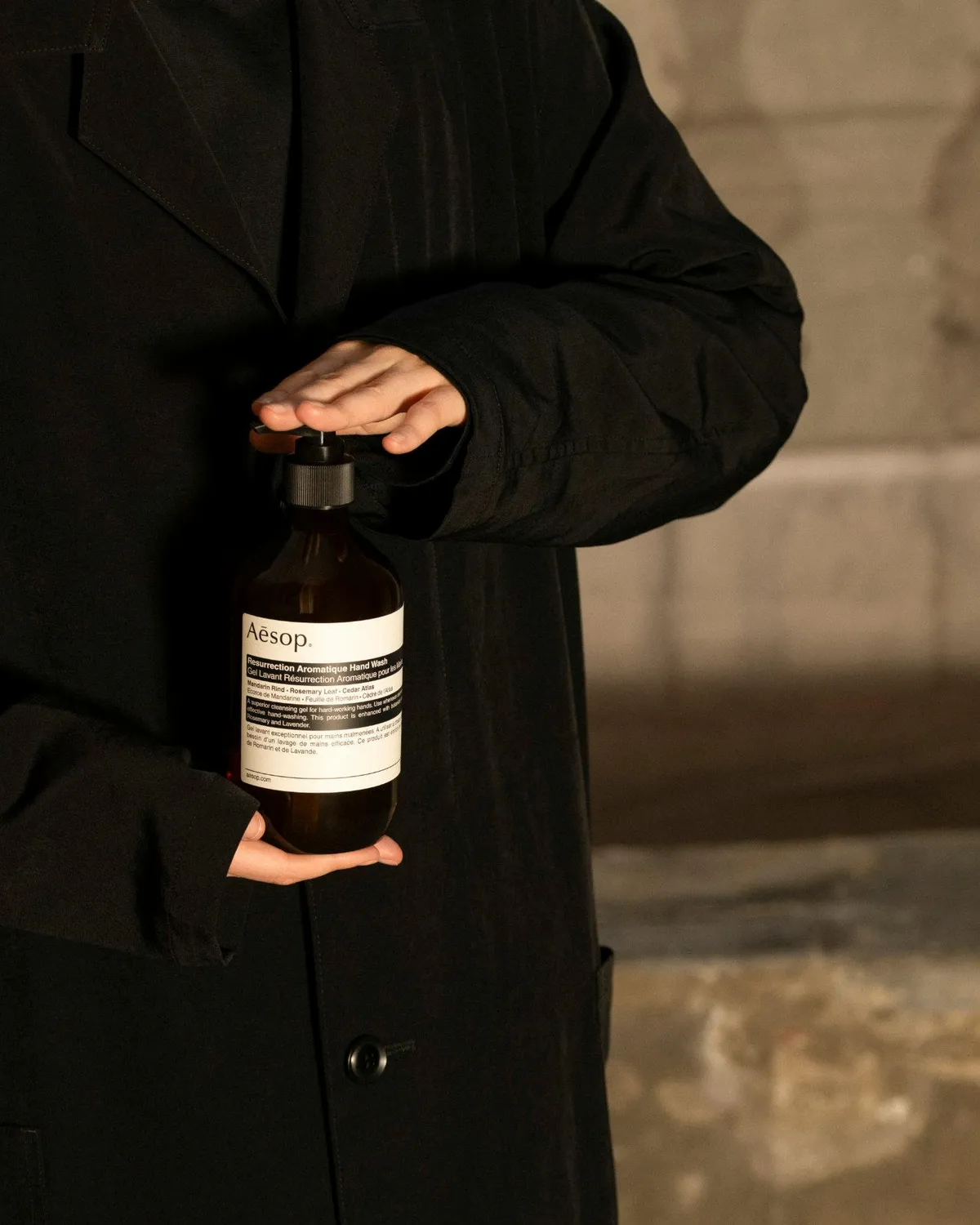
Yohji wasn't alone. Brands like Aesop and Asics - along with designer Soshi Otsuki - were also part of the conversation around considered dressing at the event. Each brought its own visual language to how staff presented themselves, treating workwear as part of the overall installation rather than an afterthought.
This is actually a growing instinct in both fashion and design: the idea that the full experience matters. If you've spent months crafting a space that communicates a specific feeling, dressing the people in it thoughtlessly would be like putting a cheap frame on an expensive painting.
Why this actually matters
There's something worth sitting with here. Uniforms have long been dismissed as the least creative corner of dressing - practical, anonymous, forgettable. But when a designer like Yohji Yamamoto brings his full sensibility to a staff wardrobe, it reframes the whole category.
It also signals something broader happening in culture right now. The lines between fashion, design, hospitality, and art are getting genuinely porous. The most interesting brands aren't asking "what do we make?" - they're asking "what does every touchpoint of our world look like?"
And sometimes, the answer to that question is a perfectly draped black jacket on someone handing you a brochure.
Next time you're at a design event, a boutique hotel, or even a well-run restaurant, take a second look at what the staff are wearing. Someone probably thought very hard about it - and it's telling you more about the brand than the decor ever could.