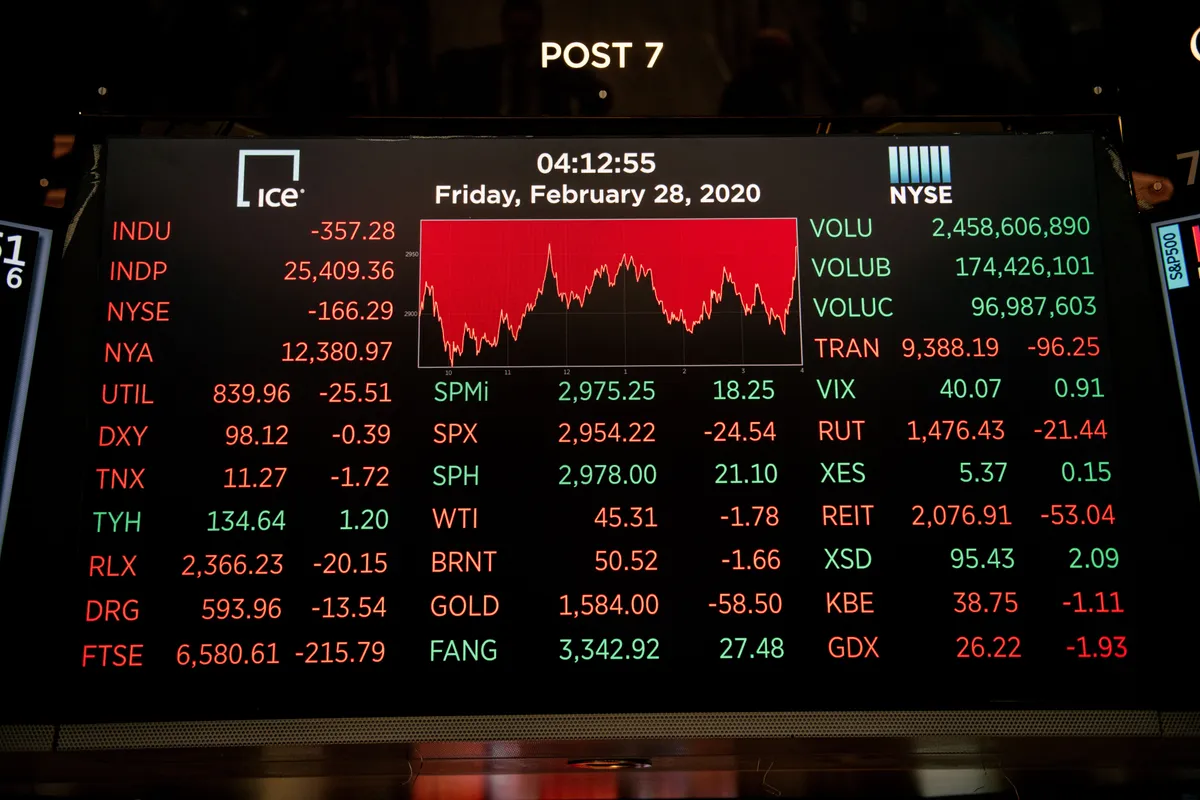
Remember the early days of Covid? When the warning signs were everywhere, the experts were screaming into the void, and everyone collectively decided to just... not think about it until hospitals were overflowing? Great times. Apparently, we learned absolutely nothing.
According to a piece over at Vox's Future Perfect, we may be making the exact same mistake right now with the economic fallout of the Iran conflict - specifically what a serious escalation could do to the Strait of Hormuz, one of the most critical oil chokepoints on the planet.
The pandemic playbook, but make it geopolitical
The Vox piece draws a genuinely unsettling parallel. In the lead-up to Covid, there were magazine covers, expert warnings, and detailed reports outlining exactly how unprepared the world was for a pandemic. They were shared, nodded at, and promptly ignored until everything went sideways.
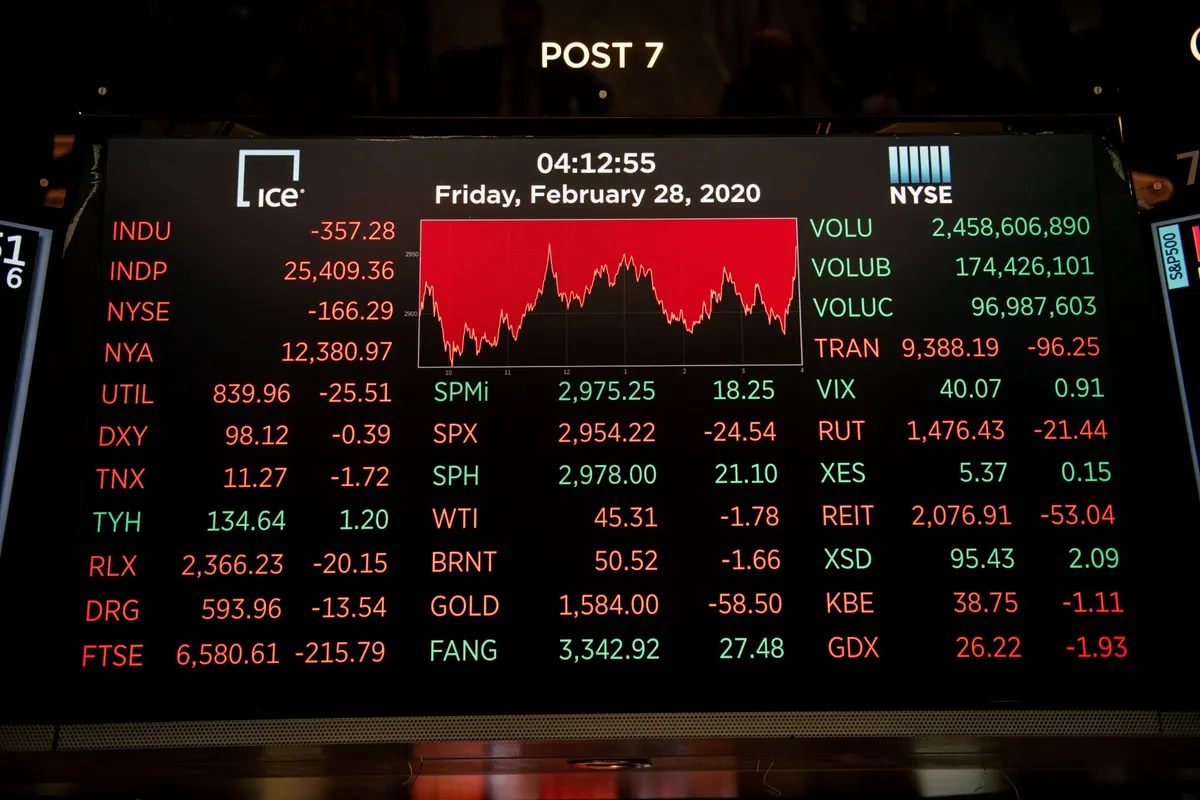
The argument being made now is that we're in a structurally similar moment with Iran and energy markets. The risks are visible, they're documented, and the financial world is once again doing its best impression of someone reading a tornado warning while standing in a field.

Why this actually matters to your wallet
The Strait of Hormuz is not some abstract geopolitical talking point. Roughly 20% of global oil flows through that narrow strip of water. Any serious disruption - whether through conflict, blockade, or the kind of escalation that has been creeping up in the region - sends energy prices into chaos. And energy prices don't stay in a lane. They bleed into everything: food, transport, manufacturing, your electricity bill, the price of basically anything that needs to be shipped anywhere.
We saw what supply chain chaos looked like during Covid. This would be a different flavor of the same awful dish.

The pattern is the problem
What makes this particularly maddening is that the failure mode isn't ignorance - it's inaction despite awareness. The stock market flashes red, the think pieces get written, the experts make the rounds on podcasts, and then nothing structurally changes until the crisis is already in full swing.
It happened with pandemic preparedness. There's a real case, laid out in the Vox reporting, that it's happening again right now with energy security and Middle East conflict risk.
Maybe this time will be different. Maybe policymakers and markets will price in the risk intelligently and prepare accordingly. But if history is any guide - and history is extremely, aggressively any guide - don't count on it.
The covers have been written. The warnings are out there. The question is whether anyone is actually reading them.