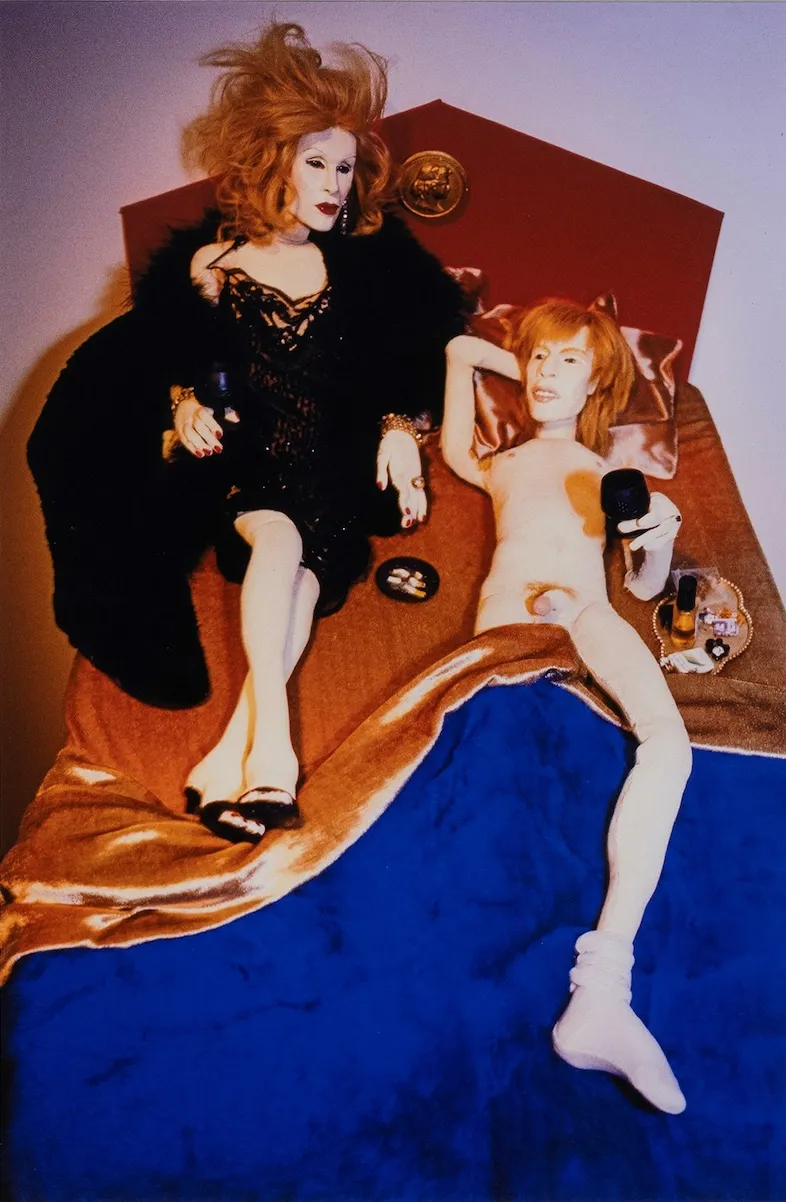
If you thought dolls were just creepy things collecting dust on your nan's shelf, buckle up. A new exhibition is using them as a lens to examine some of the heaviest themes in human experience - queerness, death, desire, and what it means to want something you can never fully hold.
The show is titled You're only happy when you can see something die! - which, yes, sounds like something your most chaotic friend texts you at 2am, but is actually a line delivered by Marilyn Monroe in The Misfits (1961), her final completed film role. In the scene, Monroe watches cowboys rope wild mustangs destined for slaughter and launches the line like a grenade at the men doing it. She's furious. She sees something beautiful being destroyed for sport, and she calls it out.
Why Monroe, why now?
The choice of that quote is doing a lot of heavy lifting. It lands differently knowing it came from Monroe herself - a woman who spent her career being consumed by the very industry that made her iconic. There's something painfully recursive about borrowing her words for an exhibition about desire and destruction.
It also sets up the exhibition's central tension perfectly: the doll as a beautiful, controlled object, made to be looked at, dressed up, and - eventually - discarded.
Dolls as queer artifacts
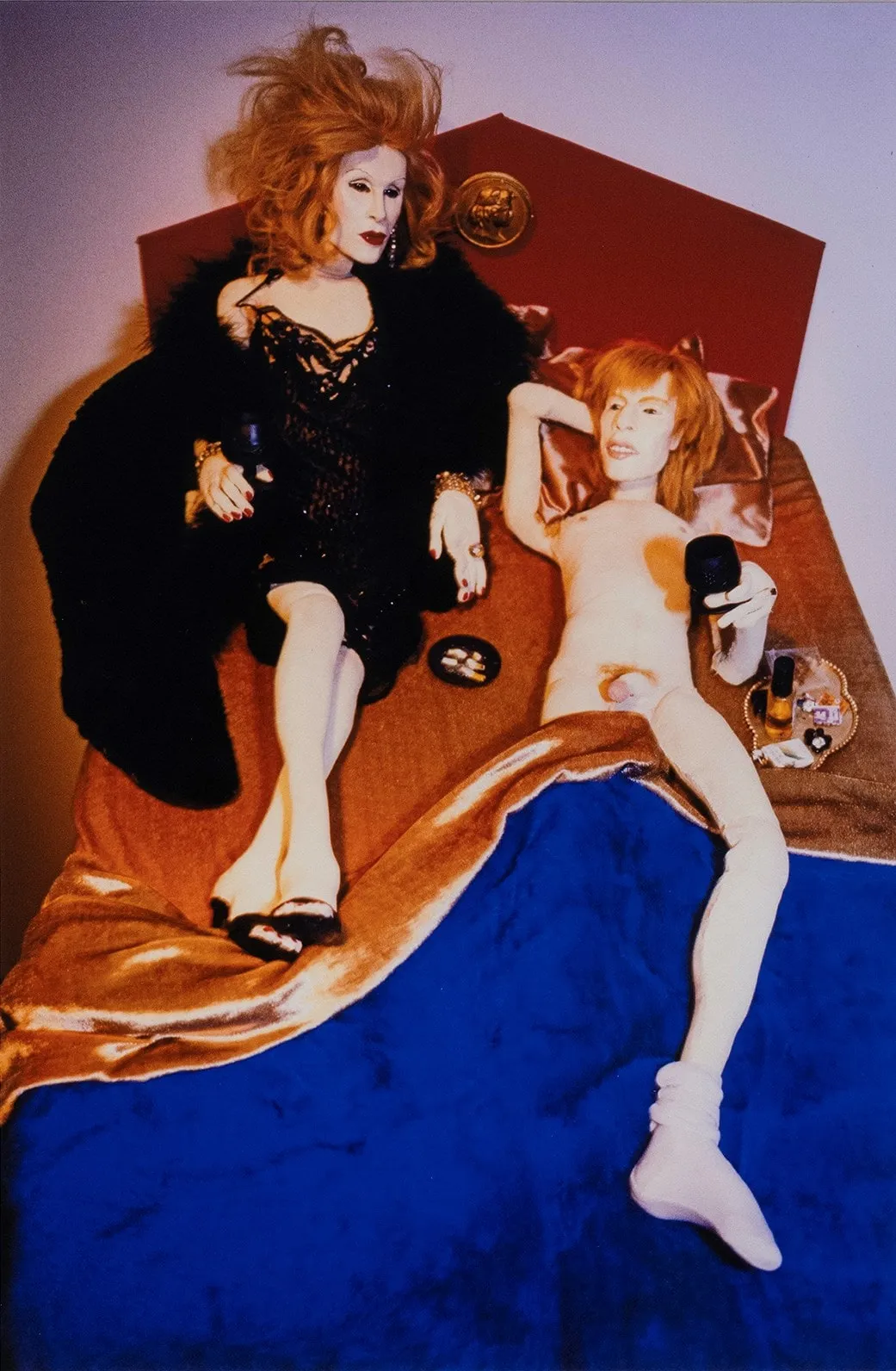
The artists involved use dolls not as kitsch props but as genuine historical and emotional documents. Dolls have always existed at the intersection of fantasy and reality - they're stand-ins for people, for bodies, for versions of ourselves we project onto them. For queer people especially, playing with dolls has historically been a coded act, a quiet rebellion, a safe space to explore identity when the real world offered none.
Using them to explore queer history isn't as strange as it sounds. It's actually kind of genius.
Death, desire, and the immortal plastic body
There's also something philosophically wild about a doll's relationship with mortality. They don't age. They don't rot (well, vintage ones do a little, which is its own horror). They outlive us. The exhibition leans into this immortality as something both comforting and deeply unsettling - much like desire itself, which persists long after the object of it is gone.
Whether you're into art theory, queer history, or you just want to stand in a room full of dolls and feel something complicated, this show - covered by Dazed Digital - sounds like exactly the kind of cultural provocation we need right now.
Sometimes it takes a plastic face to make you feel something real.