Remember when Googling something meant typing a few keywords, squinting at ten blue links, and clicking through three different websites before giving up and asking a friend? Yeah, Google has decided that era is officially over.
At Google I/O 2026, the company pulled back the curtain on what might genuinely be the biggest overhaul to Search since, well, Search was invented. The humble search box - that little rectangle that has consumed more of humanity's collective attention than almost any other interface in history - is getting a serious AI-powered glow-up.

So what actually changed?
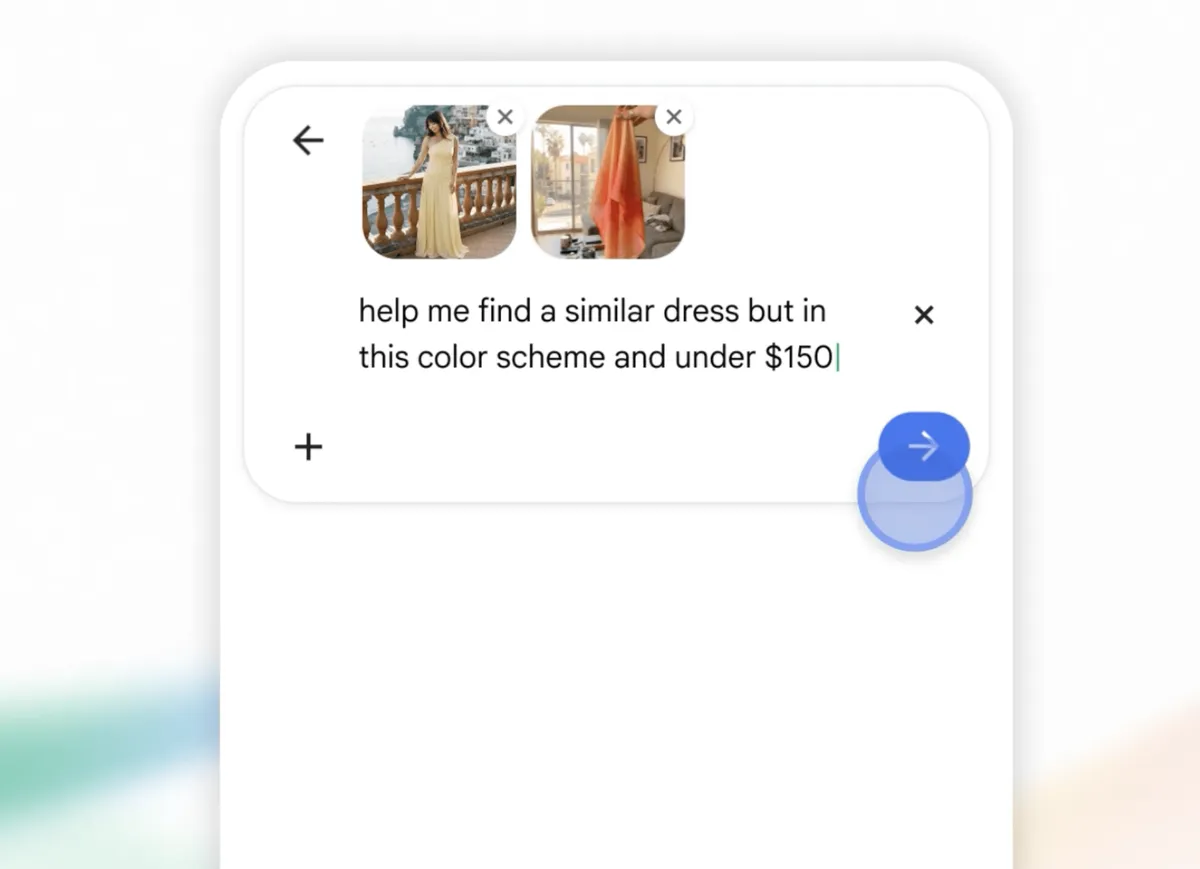
The updated search box now expands to accommodate longer, more conversational queries. Think less "best pizza NYC" and more "I'm visiting New York for three days, I hate loud restaurants, and my friend is vegetarian - where should we eat?" Google wants you to just... talk to it. Like a person. Wild concept.
Powering all of this is Gemini 3.5 Flash, Google's latest model, which is driving two key features working in tandem. The first is AI Overviews - those AI-generated summaries that already appear at the top of results. The second is AI Mode, which is Google's more fully chatbot-like search experience. The new design is built to let you flow seamlessly between both, depending on how deep you want to go down a rabbit hole.
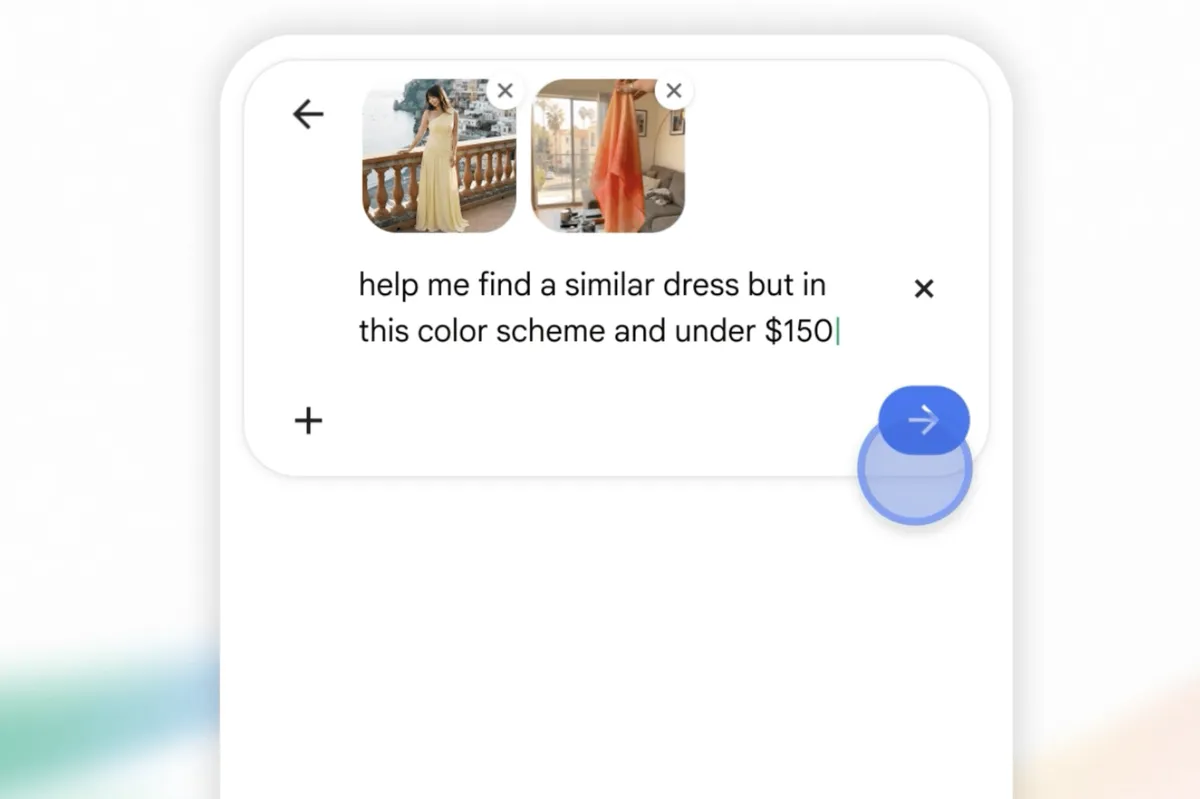
There's also a new AI-powered autocomplete that doesn't just finish your sentence - it actively helps you build a better question. Which is either incredibly helpful or mildly unsettling depending on your feelings about machines anticipating your thoughts.
Why does this actually matter?
Because Google Search isn't just a product - it's the way most humans navigate reality. Roughly 8.5 billion searches happen on Google every single day. When Google changes how that works, it changes how people find doctors, make decisions, buy things, and form opinions.
The shift toward AI-generated answers also continues a trend that has publishers and SEO professionals collectively stress-eating. If Google gives you the answer before you click anything, the entire web economy built around "getting traffic from Google" starts to look very shaky.
According to reporting by The Verge, these changes represent the next phase of Google's AI evolution - a company that spent decades perfecting the art of pointing you elsewhere, now quietly deciding it wants to just be the destination itself.
Whether that's exciting or terrifying probably depends on whether you own a website.