Imagine getting fired from your job with no explanation, no paper trail, and a vague note that says "you know what you did." That's essentially what Meta has been doing to users when it bans their accounts - and now its own Oversight Board has had enough.
According to reporting from TechCrunch, Meta's Oversight Board is calling out the company for lacking proper due process and transparency when it comes to account bans. The board is pushing Meta to actually tell users what rule they broke, how the decision was made, and - here's the spicy part - whether AI was involved in pulling the trigger on their account.
So who is this board and why should you care?
Meta's Oversight Board is essentially an independent body set up to review the company's content moderation decisions. Think of it as the Supreme Court of Facebook drama, except it's raising alarms instead of gaveling things into order. When even your own self-appointed ethics committee is calling you out, that's a bad look.
The board's core complaint is simple: people deserve to know why they were banned. Not a generic policy violation message copy-pasted from a template, but an actual, human-readable reason. Radical concept, we know.

The AI angle is where it gets really interesting
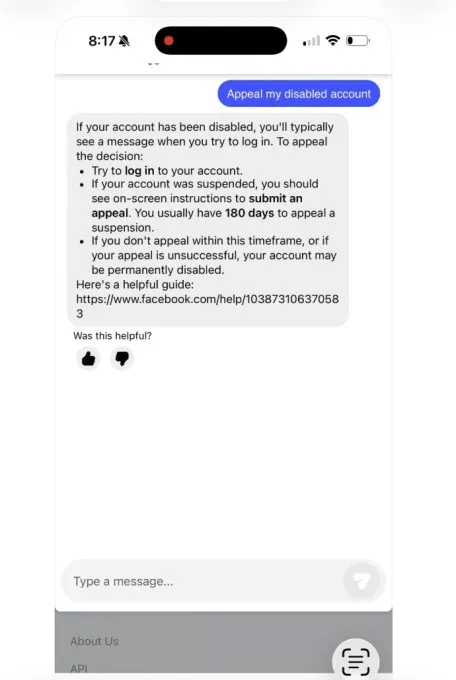
The board is specifically pushing Meta to disclose when artificial intelligence played a role in moderation decisions. This matters more than it might seem. If a bot misread your sarcastic post and got you banned, you have a right to know that. Fighting a decision made by an algorithm you can't see, appeal to a human you can't reach, feels a lot like screaming into the void - which, ironically, is what most users already do when they try to appeal a ban.
The push for AI transparency in moderation is actually a bigger-picture issue for the entire tech industry. As platforms lean more heavily on automated systems to police billions of posts a day, the gap between "you did something wrong" and "here is what you did and how we know" keeps growing.
What happens next?
The board's recommendations are not legally binding, but Meta has historically felt some pressure to at least acknowledge them publicly. Whether the company actually overhauls its ban process or just issues a thoughtful blog post and moves on is another question entirely.
For regular users, the takeaway is frustrating but important: the people nominally watching over Meta agree that being banned without a clear explanation is not okay. Now we wait to see if the company agrees too - or just keeps doing what it's been doing while hoping nobody notices.
Narrator: they noticed.