Let's be real - every time a tech giant says the words "AI" and "privacy" in the same sentence, your eyebrow goes up. Both of them. But Apple is apparently leaning hard into that exact combo with what Lifehacker is calling the biggest Apple Intelligence upgrade yet, and the pitch is surprisingly coherent.
So what actually changed?
The core idea here is that Apple is doubling down on keeping your data on your device rather than shipping it off to some server farm humming away in a desert somewhere. This is Apple's whole "Private Cloud Compute" angle - when the on-device processing isn't enough, your requests go to Apple's own servers, and supposedly nothing gets logged or retained. Bold claims, but Apple has at least built a verifiable architecture around it, which puts them ahead of basically everyone else making the same noises.
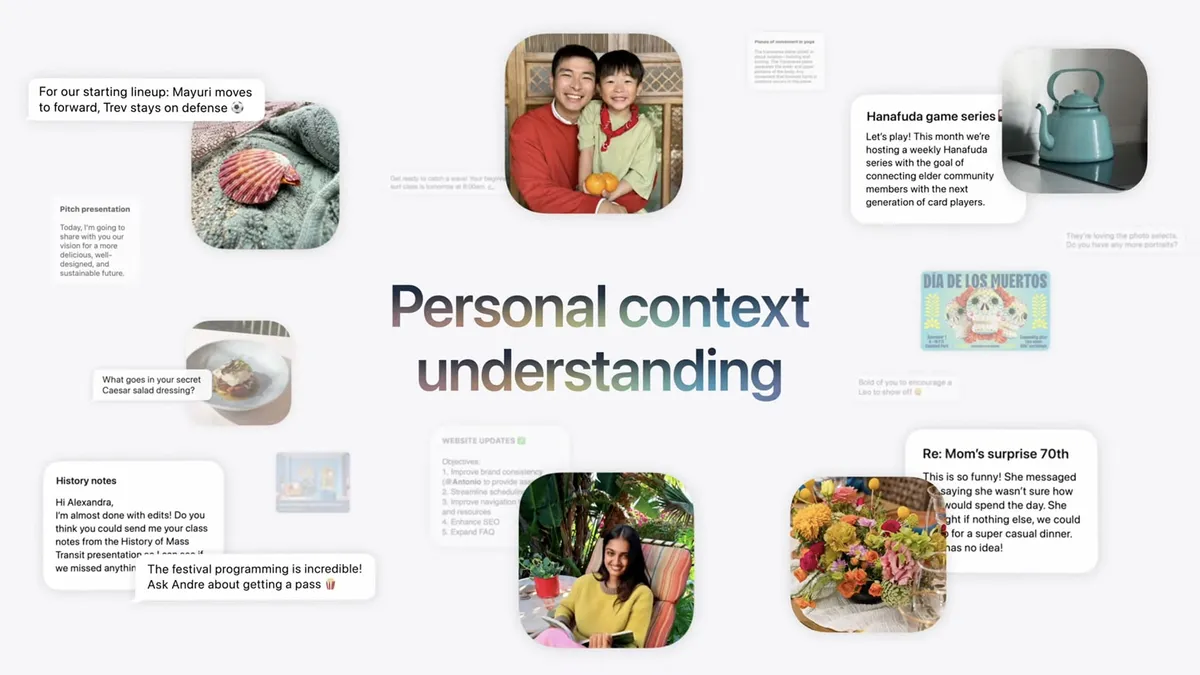
The upgrades themselves touch a bunch of areas - smarter writing tools, a more capable Siri that actually understands context (yes, finally), and tighter integration across apps. The kind of stuff that makes your phone feel less like a fancy calculator and more like something that actually gets you.
Why this matters more than you think
Here's the thing about AI features on your phone - they only work well if you actually trust them with your stuff. Your messages, your photos, your calendar, your embarrassing search history at 2am. The reason most people keep AI assistants at arm's length is exactly because handing that data over feels gross.
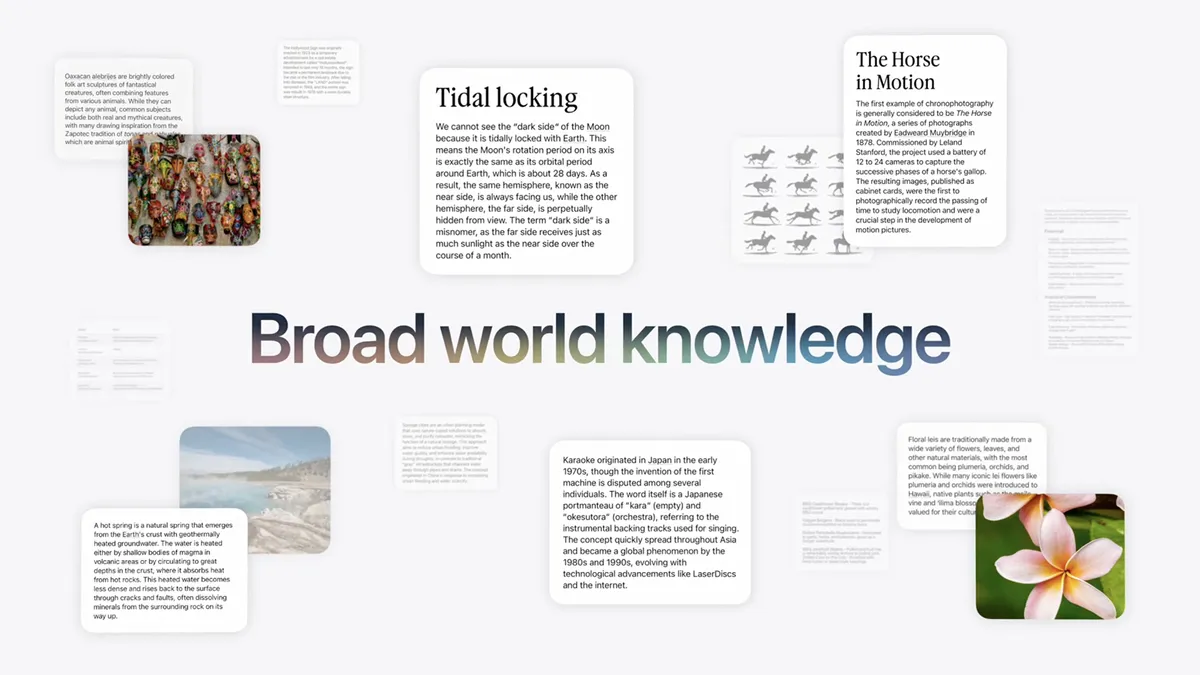
Apple's bet is that if they can make you feel genuinely safe, you'll actually use the features. And if you use the features, Apple Intelligence becomes something people talk about instead of something that gets disabled in settings and forgotten about forever.
The catch (there's always a catch)
This is still Apple, which means it's iPhone and Mac only, it rolls out gradually, and some features are locked to newer hardware. The walled garden is alive and well. If you were hoping this would be the update that makes you switch from Android, well, that depends entirely on how much you value the privacy pitch versus the price tag.
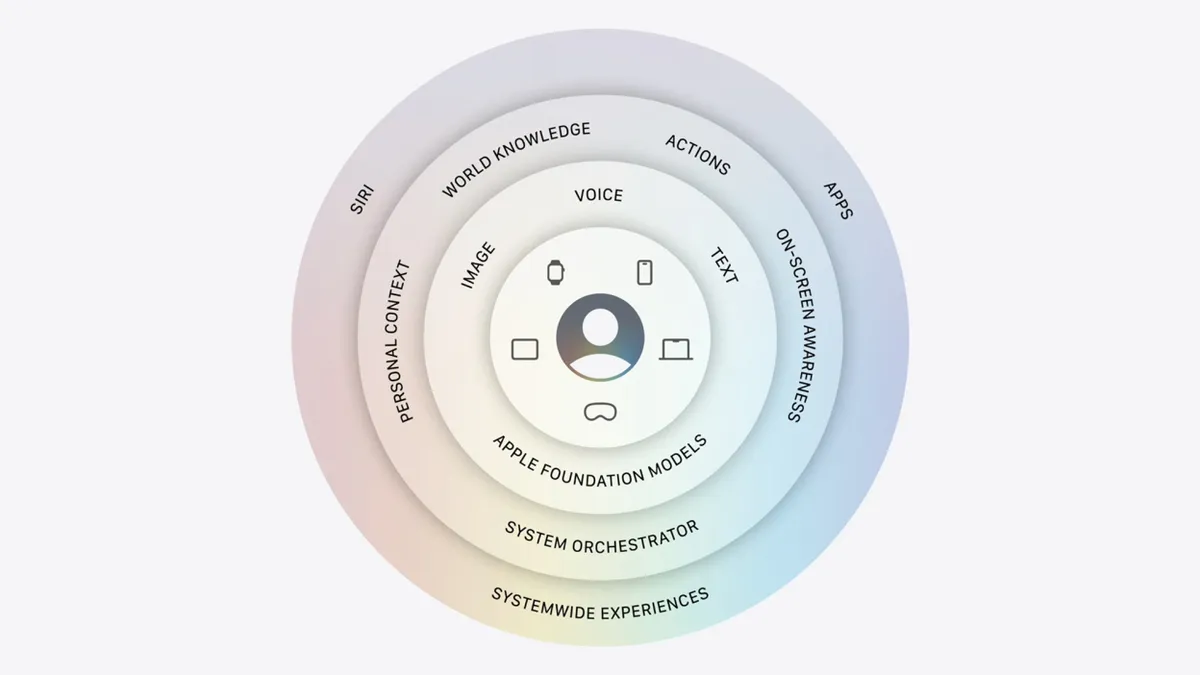
But for the millions already in the Apple ecosystem, this looks like the update that actually makes Apple Intelligence worth paying attention to - rather than just a marketing slide dressed up as a feature.
Baby steps toward AI that doesn't feel like surveillance capitalism in a turtleneck. We'll take it.