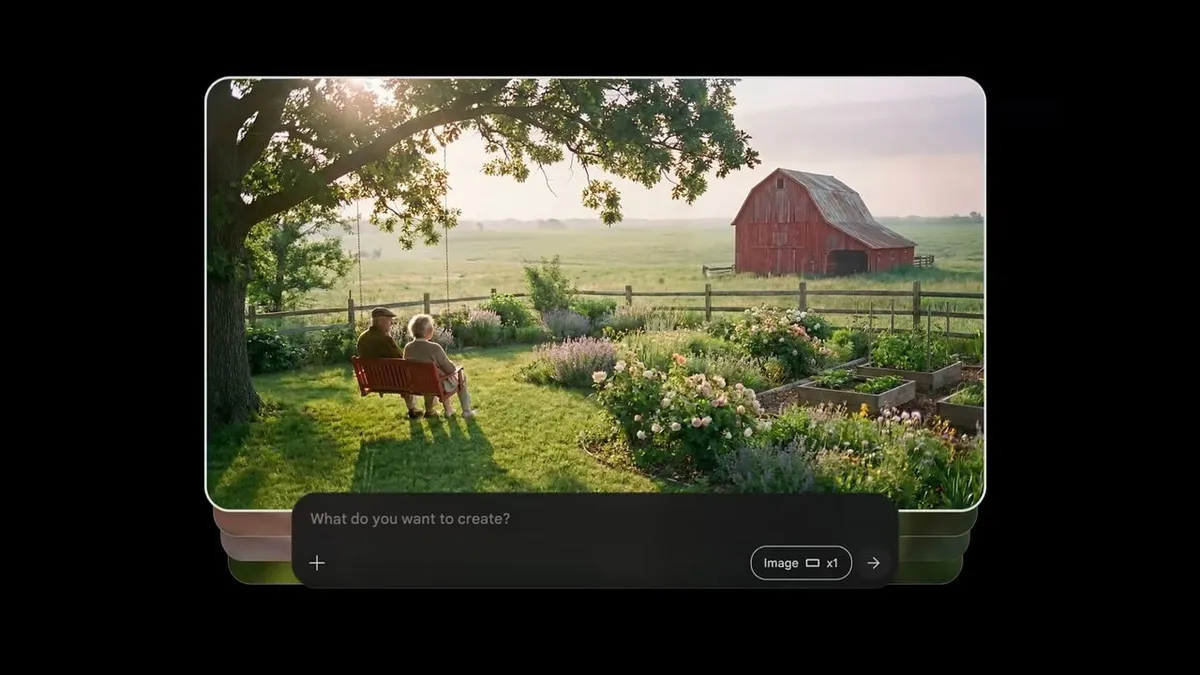
Fifty billion. With a B. That's how many images users have generated with Google's Nano Banana image tool since it exploded onto the scene in summer 2025. For context, that's roughly six images for every person on Earth. And yet, Google is apparently not popping champagne - because most of those generations are pure drive-by curiosity, not serious creative work.
According to Fast Company, Google has quietly built one of the most capable AI media suites in the industry. Nano Banana won the internet over fast with its ability to edit existing photos rather than just conjure new ones from thin air - a genuinely useful trick that separates it from the "type a prompt, get a weird hand" era of AI image generation. The company also has a video model that insiders consider among the best in the business.
The tourist problem
Here's the uncomfortable truth hiding behind those jaw-dropping usage numbers: a lot of people are just tourists. They show up, generate a funny image of their dog as a Renaissance painting, laugh, share it on Instagram, and vanish. Getting those same people to rely on these tools the way they rely on, say, Photoshop or Premiere - that's the actual hard part.
This is not a Google-specific problem. The entire AI industry is wrestling with the gap between "people tried it" and "people can't work without it." Viral moments are easy. Sticky, professional-grade workflows are not.
Why creatives are a tough crowd
Professional creatives are notoriously picky - and rightfully so. Their tools need to be precise, predictable, and fast. They need to fit into existing pipelines without blowing everything up. And they need to not randomly produce nightmare fingers or hallucinated text when a client deadline is three hours away.
Google is clearly betting that its technical advantages - particularly in photo editing and video - can bridge that credibility gap. But credibility in creative communities is built slowly, through word of mouth, through tutorials, through that one designer who swears by a tool and convinces their entire studio to switch.
Fifty billion is a starting line, not a finish line
The raw numbers are genuinely impressive and shouldn't be dismissed. Reach at that scale means Google has more feedback data, more use cases to study, and more opportunities to figure out what actually makes creatives stay. The question is whether they can translate "everyone has heard of it" into "professionals trust it."
That conversion - from novelty to necessity - is where the real competition happens. And it's just getting started.