You know that moment when Google Maps confidently sends you to a restaurant that closed two years ago, or insists a road exists that is very much a field? Turns out you can actually do something about that - you can suggest edits directly in Google Maps. Wild, right?
What you can actually change
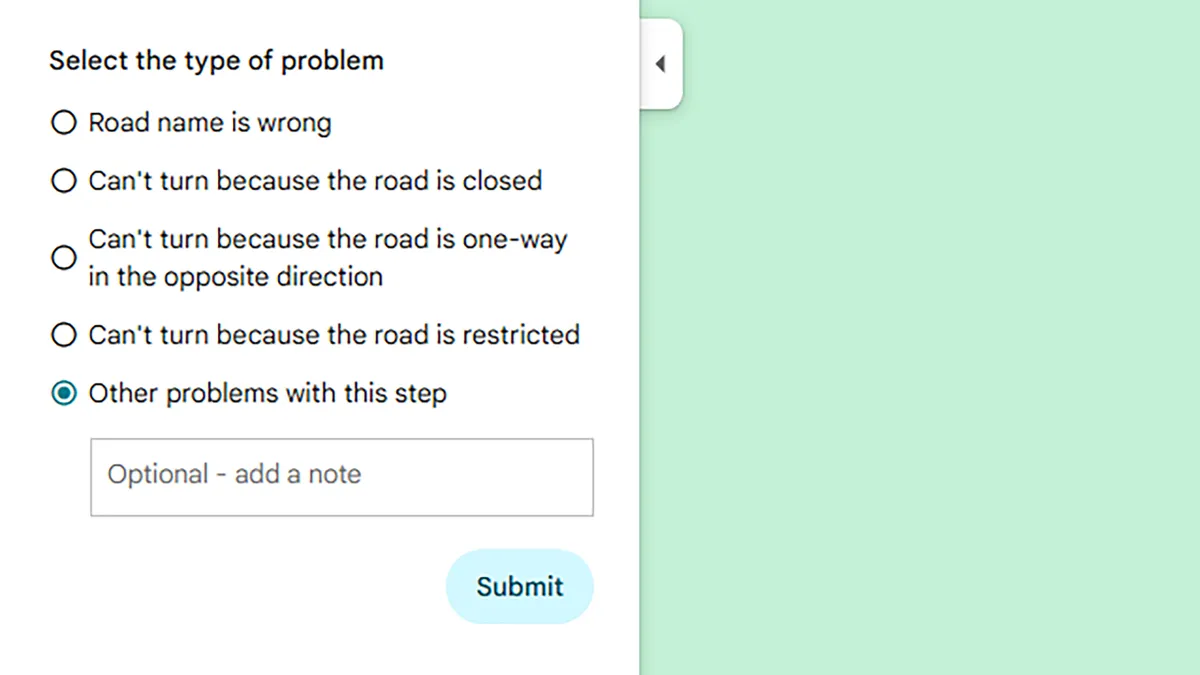
According to Lifehacker, the edit system is surprisingly robust. We're not talking about just tweaking a phone number. You can correct business opening hours, update addresses, add missing roads, flag places that no longer exist, and even add entirely new locations that aren't on the map yet.
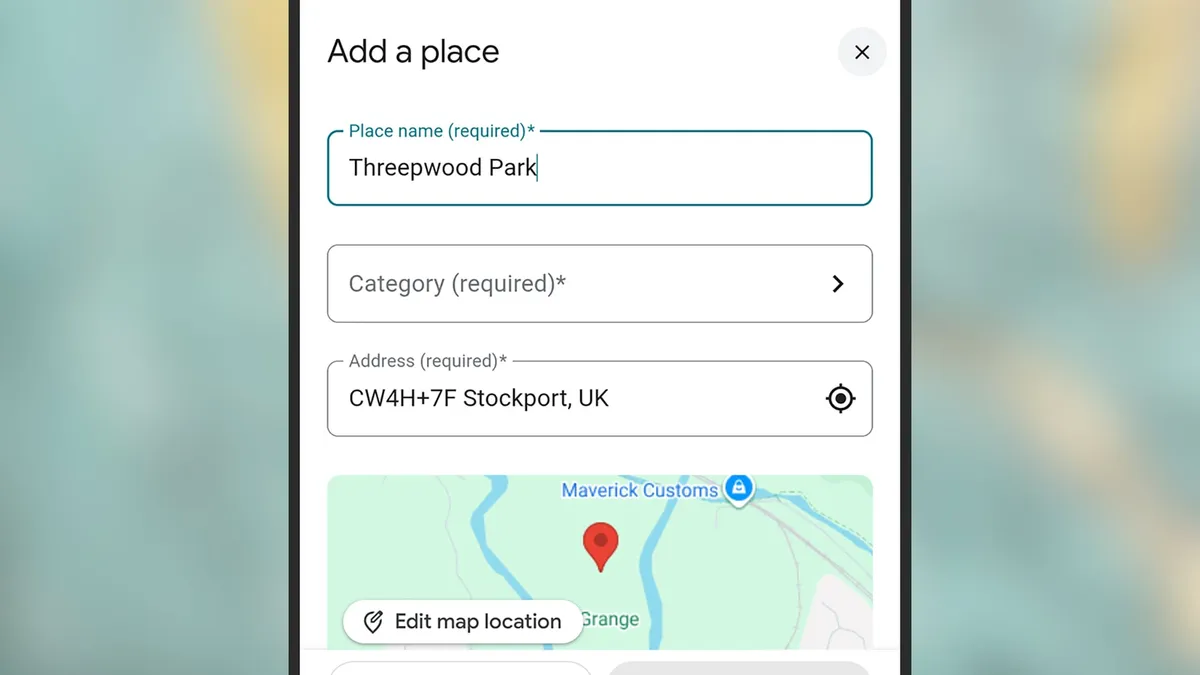
The process itself is pretty painless. On mobile, you tap on a location, scroll down to "suggest an edit," and go from there. On desktop it's a similar vibe - find the place, click around the listing, and look for the edit option. Google walks you through the specific fields you can change depending on what type of location it is.
The catch (you knew there was a catch)
Here's where things get humbling. Google does not just implement your changes automatically. Your edit goes into a review process where it gets weighed against other data sources - other user submissions, business owner confirmations, and presumably the collective mood of whatever algorithm is handling this on a Tuesday.
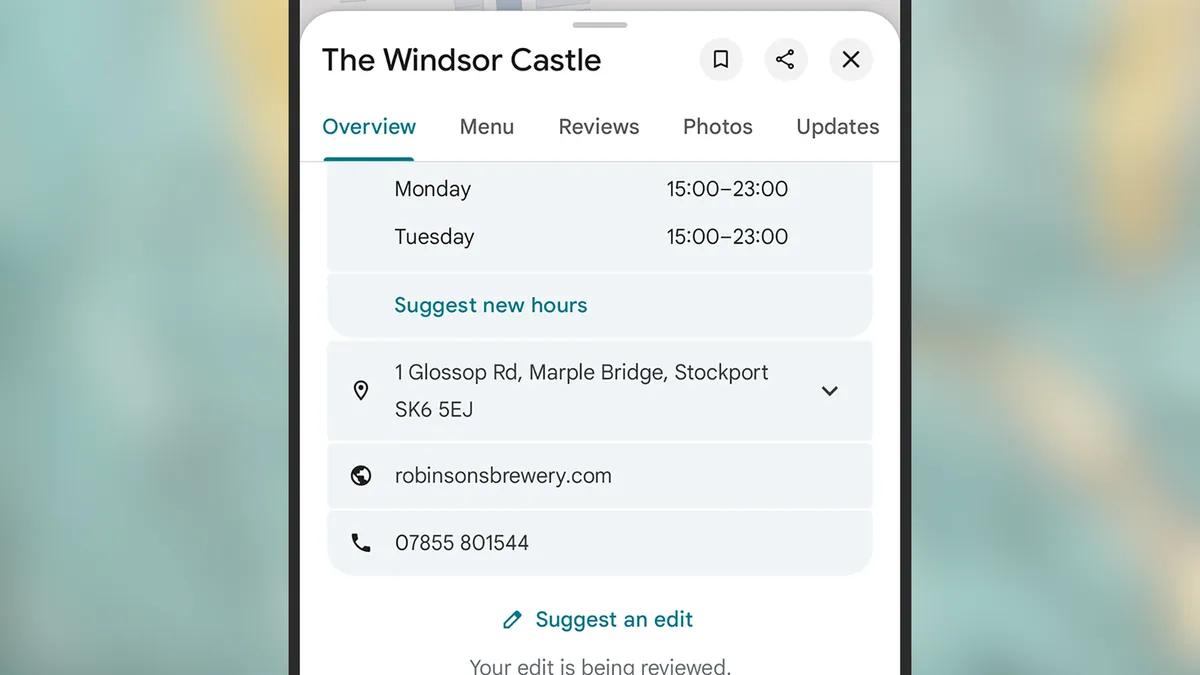
So you could spend five minutes carefully correcting the hours for your favourite local bakery, submit it with the confidence of someone who literally walks past the place every morning, and Google might just... not agree. Or it might take weeks. Or it might update and then revert. The system is a democracy where Google is also the Supreme Court.
Why bother then?
Honestly? Because the alternative is everyone suffering with bad data forever. Google Maps is only as accurate as the people using it, and if everyone assumes someone else will fix it, nobody does. Think of it as a very low-stakes form of civic duty - like picking up litter, except the litter is a phantom pizza place that keeps getting recommended on Friday nights.
Power users and local guides who submit lots of accurate edits can also build up credibility in Google's system over time, which theoretically means your future edits carry more weight. So there's a long game here if you're the type of person who enjoys that sort of thing.
Is the system perfect? Absolutely not. But it exists, it's free, and occasionally it actually works. Which, when you think about it, is a perfectly reasonable description of most civic participation.