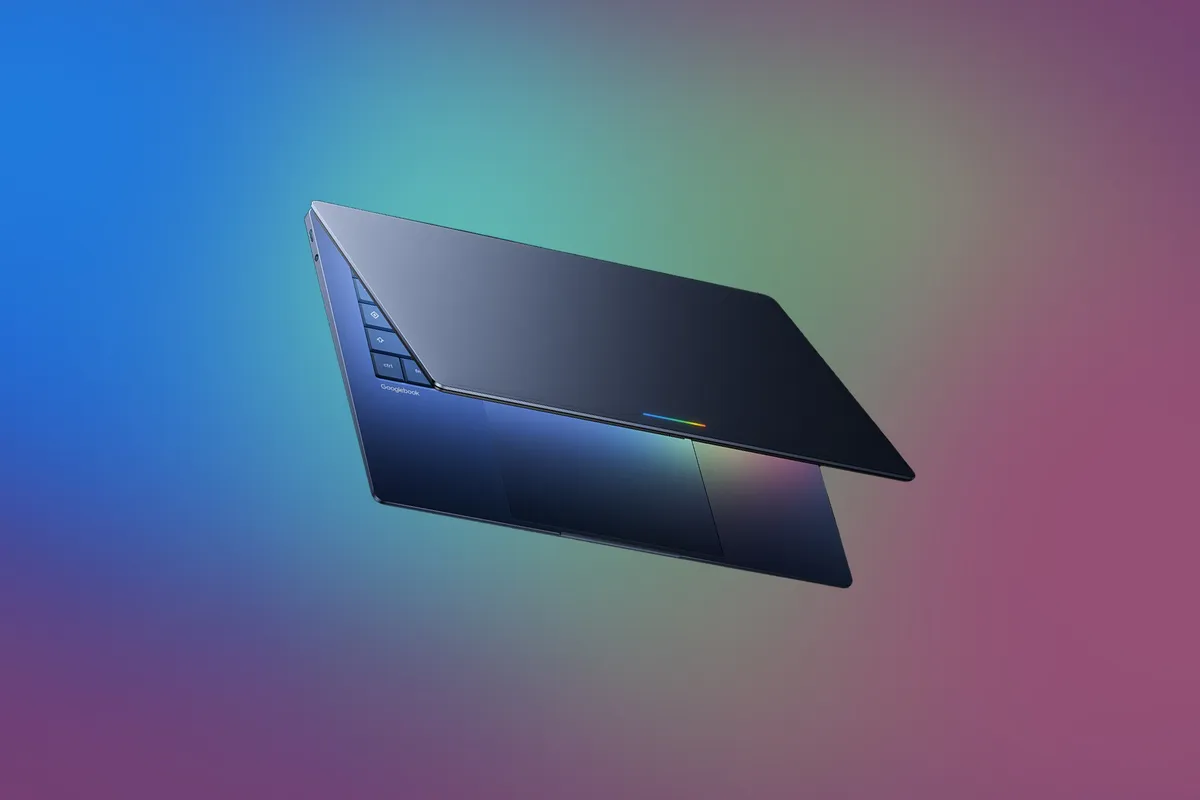
Google looked at its perfectly functional Chromebook ecosystem, a platform millions of students and budget-conscious users actually rely on, and thought: "You know what? Let's blow this up." The result is the Googlebook - a new laptop platform that has left pretty much everyone scratching their heads.
The Verge put it bluntly: why does the Googlebook exist?

The dream we were promised
Here's the thing - there was a genuinely exciting vision floating around before this announcement. The long-rumored "Aluminium OS" was supposed to be Google's grand unification theory. Imagine Android and ChromeOS finally kissing and making up, living under one roof, turning your Android phone into a portable desktop when docked, fixing the absolute dumpster fire that Android tablet software has always been, and generally expanding what Google's laptop ecosystem could do.
That sounded great. People were into that. Tech nerds were cautiously optimistic, which for tech nerds is basically the equivalent of throwing a parade.
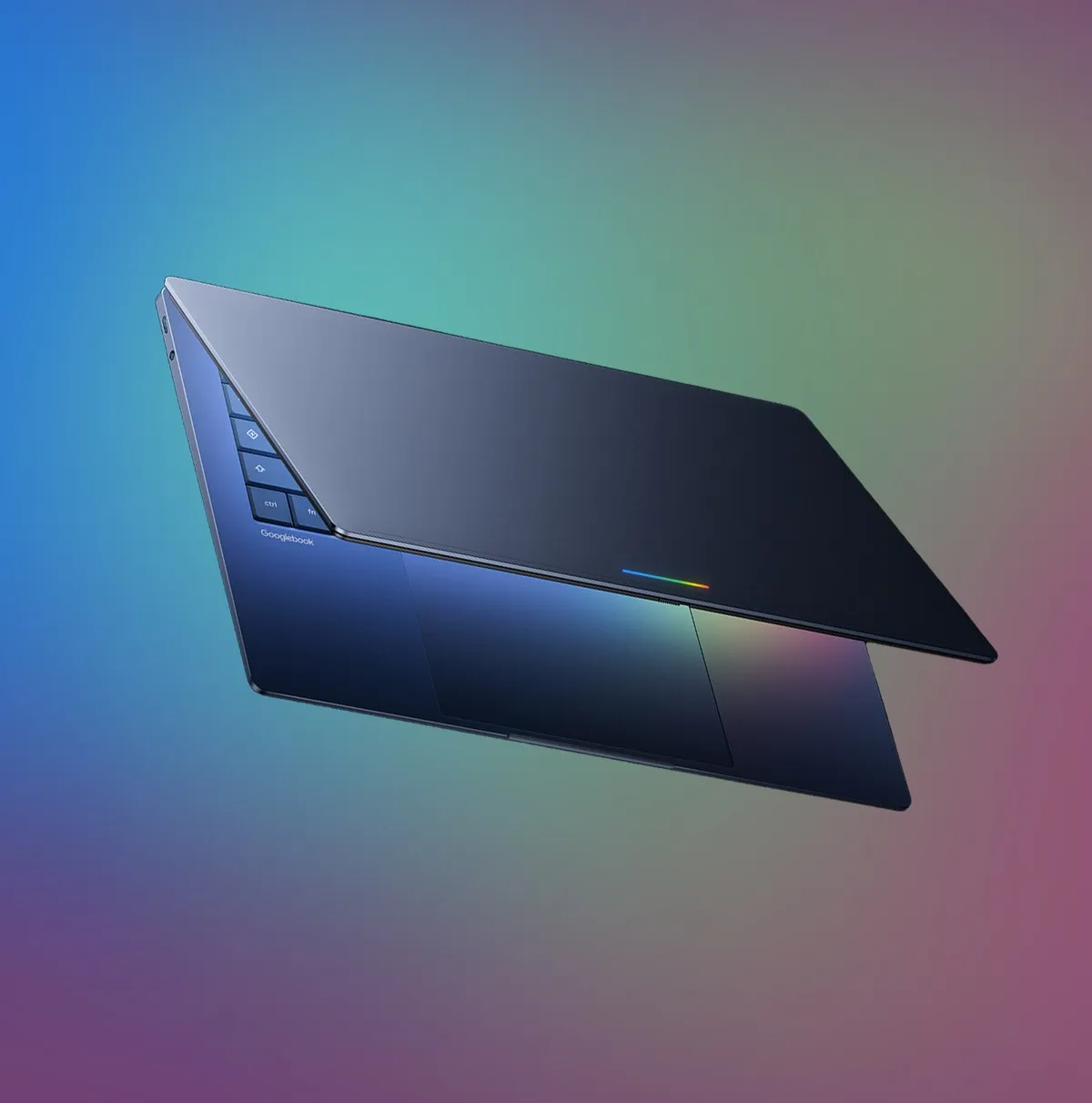
So what did we actually get?
Instead of that elegant unified future, Google announced the Googlebook - and the reaction has been less "parade" and more "confused silence at a birthday party where someone ordered the wrong cake."
The core problem seems to be that nobody has satisfactorily answered the most basic product question: what problem does this actually solve? Chromebooks had a lane. They were cheap, simple, secure, and beloved by school IT departments everywhere. Android has its own lane. Merging the two has always been complicated, but at least Aluminium OS promised a coherent vision for doing it.
The Googlebook, as announced, feels like the merger happened but the integration strategy meeting got cancelled.
Why this actually matters
This isn't just nerdy platform drama. Chromebooks are genuinely important hardware for people who can't spend MacBook money on a laptop. If Google is pivoting away from what made ChromeOS work - its simplicity, its focus, its clear identity - in favor of something muddled and AI-feature-stuffed (because of course Gemini is involved), real users lose a real option.
Google has a long and storied history of starting platforms, building communities around them, and then abandoning them faster than you can say "Google Stadia." The Googlebook announcement, with its vague reasoning and unclear positioning, is giving off those exact vibes.
Maybe there's a brilliant plan here that hasn't been fully revealed yet. Maybe the Googlebook will make sense once we see it in person. Or maybe Google just really wanted to put "Google" in a product name again and worked backwards from there.
For now, the question stands: why does the Googlebook exist? Google, whenever you're ready to answer that, we're listening.