Imagine spending years building something, finally releasing it to the world, and then having the federal government swoop in five days later and say "actually, no." That's roughly what happened to Anthropic last weekend, and it's the kind of story that makes you feel like the AI industry is genuinely living in a different timeline from the rest of us.
So what actually happened?
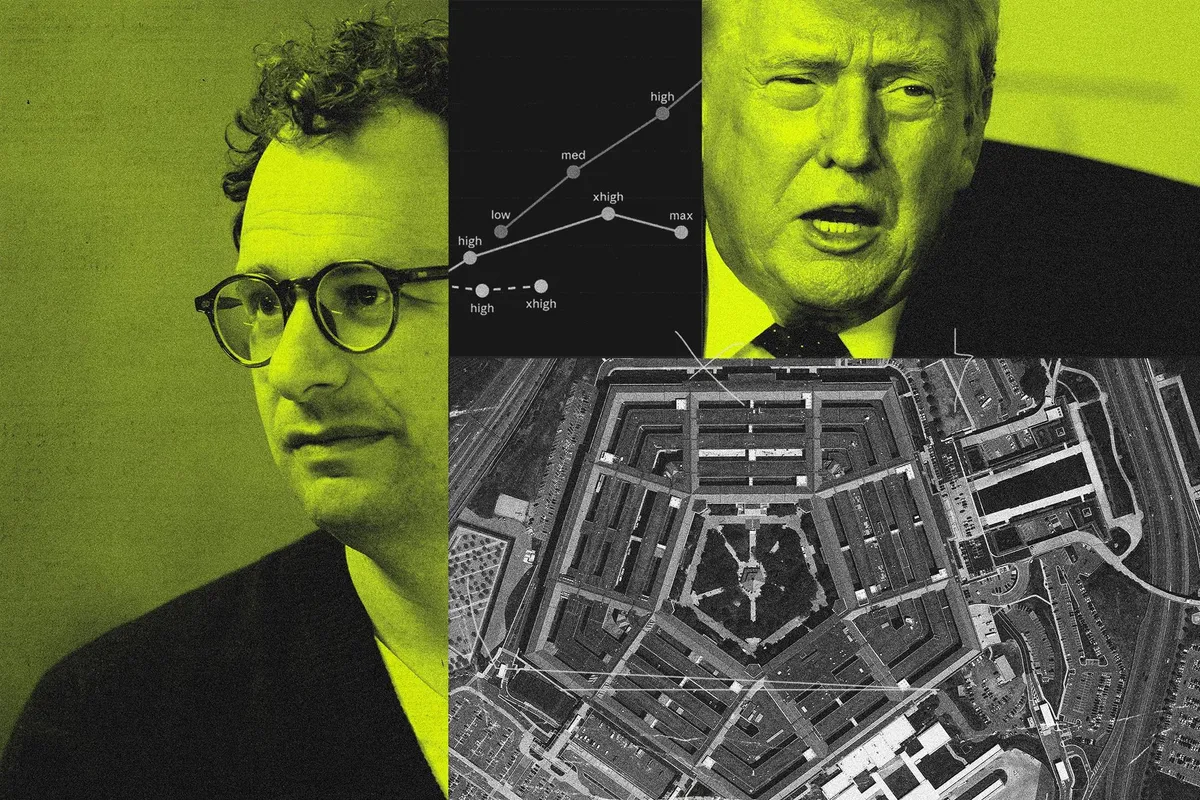
According to a recent episode of The Verge's Decoder podcast, featuring senior AI reporter Hayden Field, the US government slapped export controls on Anthropic's newly released Fable 5 model - along with its underlying architecture, called Mythos - within a single week of the model going public. The Trump administration was involved, which adds its own particular flavor of chaos to the situation.

Export controls, for the uninitiated, are the government's way of saying "this technology is too sensitive to share freely across borders." They're the kind of thing you usually associate with weapons systems or advanced semiconductors - not chatbots. The fact that we're now applying that same framework to AI models is either a sign that AI has finally gotten powerful enough to be genuinely scary, or that policymakers are panicking, or possibly both.
The question nobody can answer
Here's the part that should keep you up at night: there's no clean, agreed-upon process for deciding when an AI model crosses the line from "useful tool" to "national security concern." The Decoder episode frames it perfectly - who actually decides when AI is too dangerous? Is it the company that built it? The government? Some panel of researchers? Right now the honest answer seems to be "whoever moves fastest."

Anthropic, for its part, is in the awkward position of being a company that loudly champions AI safety while simultaneously watching its products get caught up in geopolitical power struggles it didn't exactly sign up for.
Why this matters more than it seems
This isn't just a weird news blip. It's a preview of what AI governance is going to look like for the foreseeable future - reactive, politically charged, and moving at a pace that neither the tech industry nor regulators are fully prepared for. One week from launch to federal intervention is a speed that makes your head spin.
If a company as safety-focused as Anthropic can't predict when its own models will trigger government action, what does that mean for everyone else building in this space? And more importantly, what does it mean for the rest of us just trying to figure out which AI tools we're actually allowed to use?
Field and the Decoder team dig into the full mess over at The Verge - and honestly, it's worth the listen if you want to understand where this whole thing is heading.