Here's a fun game: ask someone what they think about AI data centers and watch their face do something deeply unpleasant. Spoiler - it won't be a smile.
Earlier this year, one AI expert writing for Fast Company predicted a "populist backlash" against data centers for driving up electricity rates. Bold call. Accurate call. But also, as the writer themselves admitted, a massive underestimate of just how much people have come to loathe these hulking digital fortresses.
It's not just your electric bill (but yes, also your electric bill)
Sure, the rising energy costs angle was always going to sting. Nobody likes opening a utility bill that looks like a ransom note. But the grievances go considerably further than that.
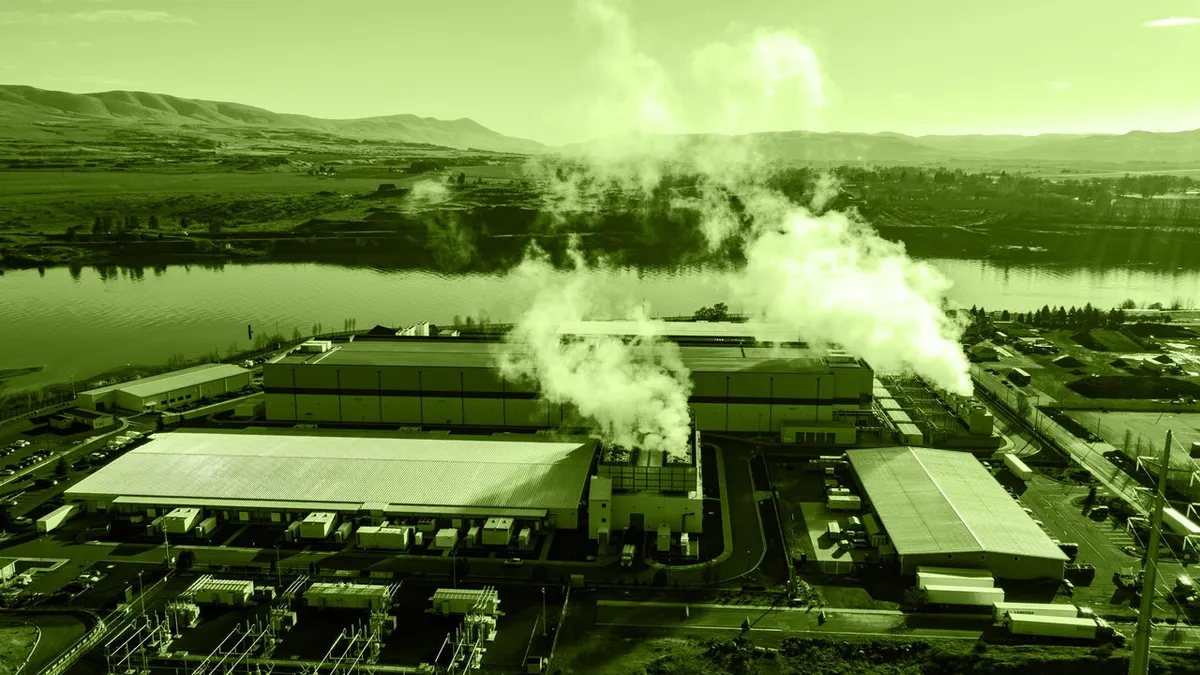
AI data centers have been blamed for air pollution in surrounding communities, weird low-frequency humming noises that apparently drive nearby residents absolutely up the wall, and a general sense that someone, somewhere is making billions of dollars while your neighborhood gets the vibes of a giant industrial fan pointed at it permanently.
This is the part that pure economics misses. People don't just hate paying more. They hate feeling like collateral damage in someone else's gold rush.
The sympathy gap is real
There's something almost poetic about the situation. AI is supposed to be this gleaming, frictionless, intangible thing - it lives in "the cloud," right? Except the cloud turns out to be a very loud, very hot, very power-hungry physical building that needs to go somewhere. And that somewhere keeps turning out to be next to actual humans with actual lungs and actual electricity meters.
The gap between how tech companies talk about AI (revolutionary, magical, inevitable) and how communities experience it (expensive, noisy, polluting) is doing a lot of heavy lifting when it comes to public resentment right now.
So what happens next?
If an AI expert admits they underestimated the scope of this backlash, that's worth sitting with for a moment. This isn't fringe NIMBY energy anymore. It's a broadly relatable frustration that crosses political lines, income brackets, and levels of tech literacy.
The industry's challenge - if it chooses to accept it - is figuring out how to build the infrastructure the AI boom genuinely requires without making enemies of every zip code unlucky enough to host it. That probably involves cleaner energy, better community engagement, and maybe, just maybe, not treating local objections as a PR problem to be managed rather than a legitimate concern to be addressed.
Or they could just keep building and hope nobody notices. Given current vibes, that strategy seems... optimistic.