If you've been eyeing a new gaming handheld or console, brace yourself. The gaming hardware market is in the middle of a genuine pricing crisis, and the numbers coming out right now are pretty staggering.
The memory crunch hitting everyone's wallet
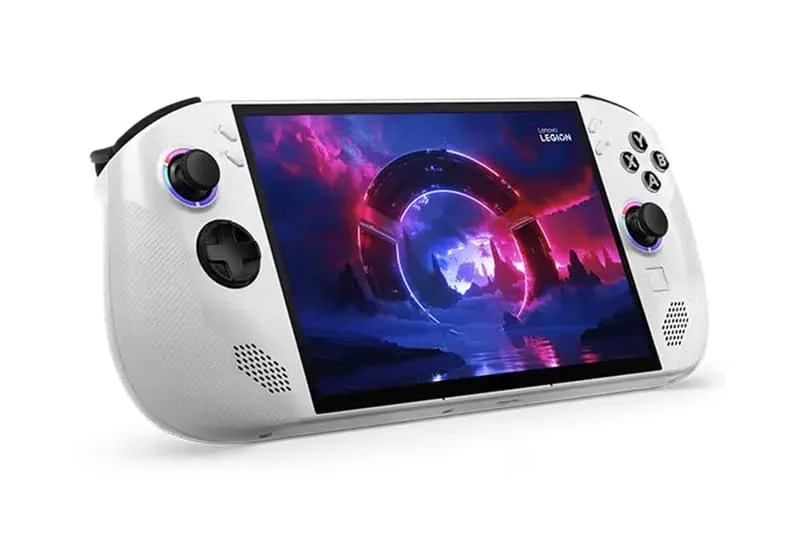
According to Hypebeast, a global memory shortage - already being dubbed "RAMageddon" in tech circles - is wreaking havoc on supply chains, and the fallout is landing squarely on consumers. Lenovo's Legion Go 2, one of the most anticipated portable gaming devices on the market, has reportedly surged to an eye-watering $2,850. For context, that's closer to a decent laptop or a secondhand car payment than a handheld gaming device.
Things got serious enough that Lenovo has quietly discontinued the Legion Go S entirely, a move that signals just how unsustainable the current market conditions have become for manufacturers trying to offer more accessible entry points.
Sony isn't immune either
It's not just PC-adjacent hardware feeling the squeeze. Sony has announced price increases across its console lineup, with the PS5 Pro climbing to $899.99 USD and the PlayStation Portal hitting $249.99 USD - both changes taking effect in April 2026. The Portal price hike is particularly notable given that the accessory was already a hard sell for many players at its original price point.
These aren't small incremental bumps. This is a fundamental shift in what gaming hardware costs, and it's happening fast.
What this means for the rest of us
For everyday gamers, the timing couldn't be worse. The handheld gaming space had just started to feel genuinely exciting and competitive - with multiple strong options at various price points - and now the economics are pulling the rug out from under that momentum.
The broader picture here is an industry under serious strain. When supply chains buckle, manufacturers have limited options: absorb the losses, raise prices, or cut products entirely. Right now, we're seeing all three happen simultaneously.
If you were planning a hardware upgrade in 2026, it might be worth acting sooner rather than later - or resigning yourself to the fact that the price you see today probably isn't the floor. RAMageddon, unfortunately, doesn't appear to be wrapping up anytime soon.