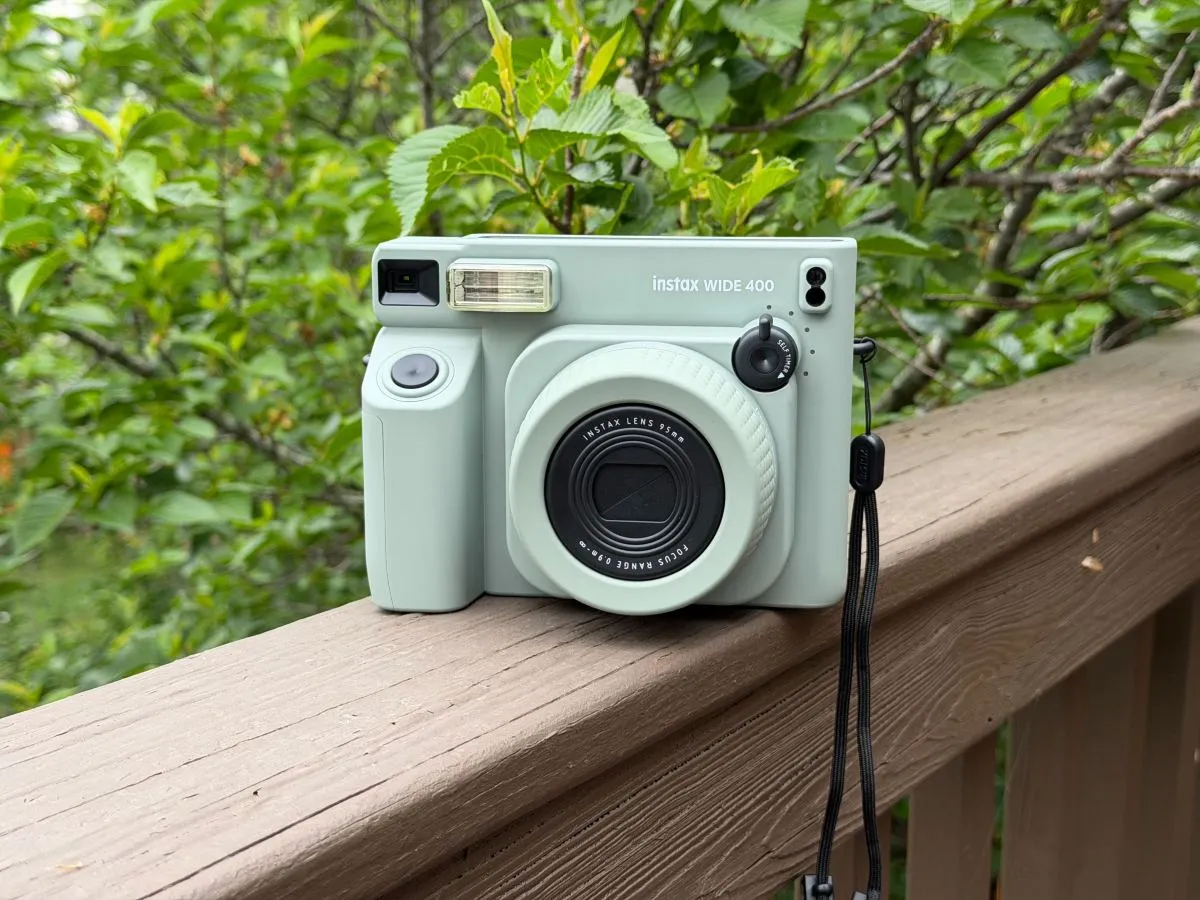
We live in an era where your phone can generate photorealistic images of things that never existed, relight portraits after the fact, and erase your ex from vacation photos with a single tap. And yet - here we are - lining up for a plastic camera that spits out wallet-sized rectangles you cannot undo, edit, or filter. Peak humanity, honestly.
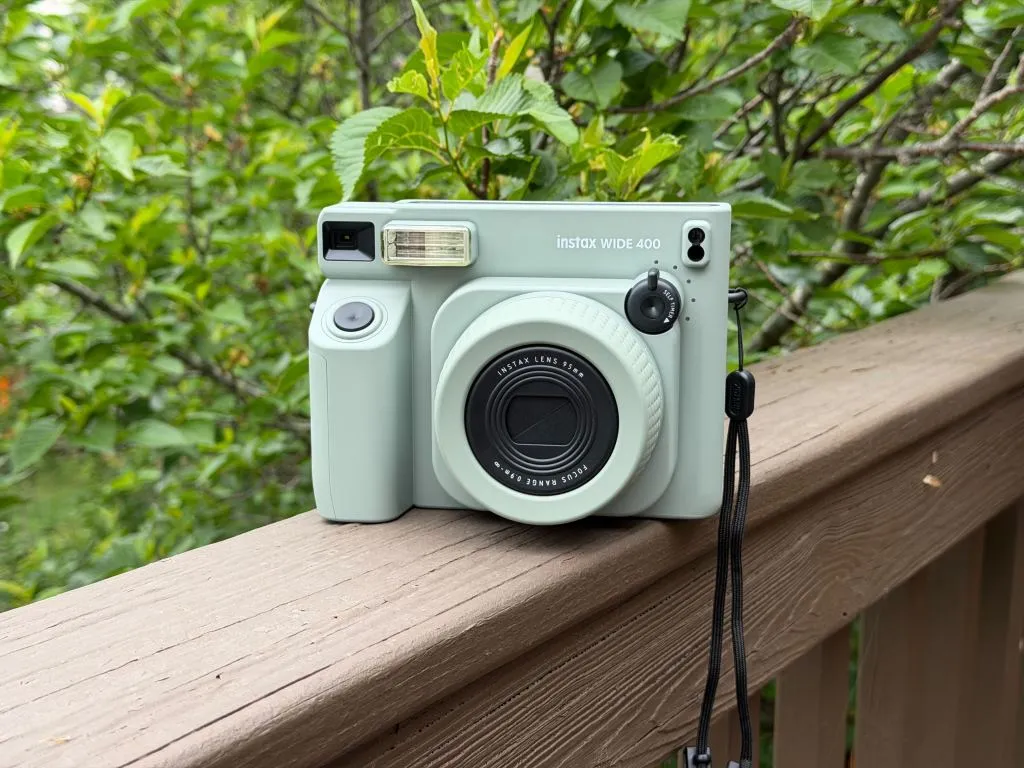
The Instax Wide 400 from Fujifilm is the latest entry in the long-running Instax lineup, and as TechCrunch reports, it takes the classic instant formula and stretches it - quite literally - with a wider film format that gives your snapshots more real estate than the standard Instax mini prints most people know and love.
Why wide, though?
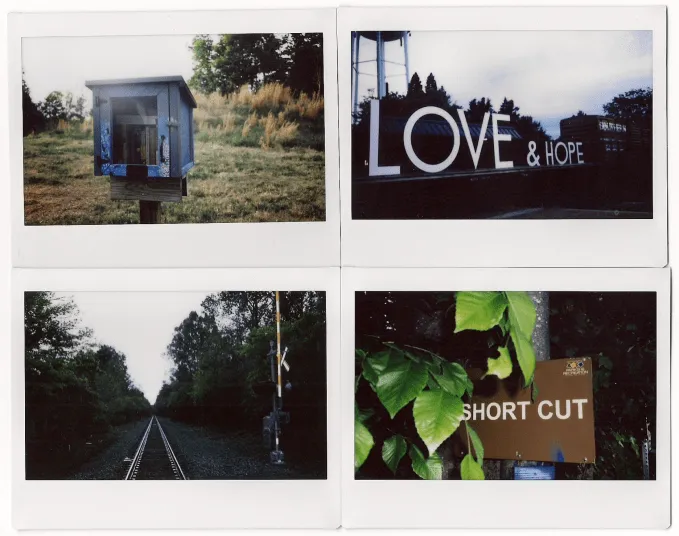
The move to a wider frame is not just a flex. More frame means more context, more people crammed into a single shot, and - let's be honest - less chance of accidentally cropping someone's head off at a birthday party. The wider format makes casual, social photography feel a bit more considered without making you feel like you need a photography degree to operate the thing.
And that simplicity is absolutely the point. No menu diving. No settings anxiety. You point, you shoot, you watch something magical slide out of the front of the camera while everyone around you loses their minds a little bit.
Nostalgia is doing a lot of heavy lifting here
Instant film's continued popularity in a hyper-digital world is not really a mystery once you think about it. Physical photos feel rare now. They feel intentional. When everything is infinitely duplicable and stored in a cloud somewhere, handing someone an actual photograph - one that exists only once, slightly imperfect, slightly unpredictable - carries genuine emotional weight.
There is also the novelty factor, especially for younger generations who grew up entirely digital. Watching a photo develop in your hands is borderline witchcraft if you have never experienced it before.
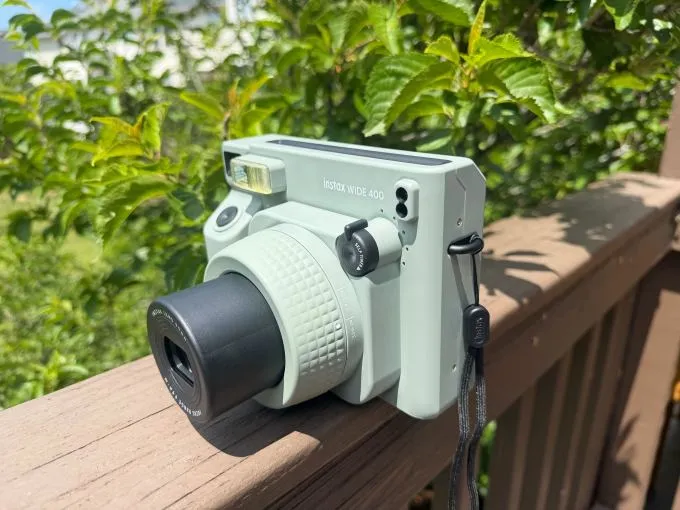
So should you buy it?
If you are someone who loves the tactile, social experience of instant photography and wants a little more print for your money (and your memories), the Instax Wide 400 seems like a genuinely appealing upgrade over the standard mini format.
Yes, the film costs money per shot. Yes, some photos will be too dark, too bright, or inexplicably blurry. That is not a bug. That is the whole chaotic, delightful point. In a world optimized to death, a camera that refuses to be perfect might be exactly what we need.