Something is brewing at Fitbit - and if the latest rumours are anything to go by, it could be the brand's most interesting move in years.
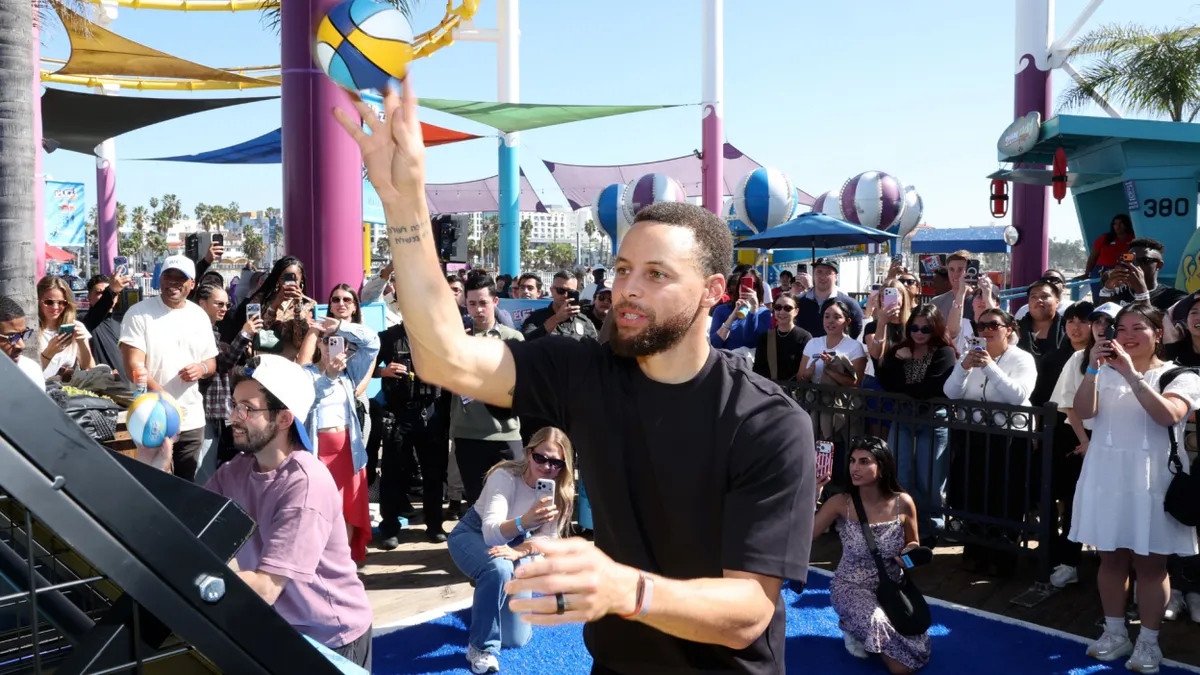
According to a report from Lifehacker, a promotional video featuring NBA superstar Steph Curry has been teasing what appears to be a screenless smart band from Google's Fitbit division. The tagline? A promise of "a new relationship with your health." Bold words - but the concept behind them is worth paying attention to.
The whoop effect
If you've spent any time in fitness-obsessed circles lately, you'll know that screenless health trackers have quietly become a whole thing. Whoop, the subscription-based fitness band beloved by athletes and biohackers alike, built its entire identity around removing the screen and doubling down on data - recovery scores, sleep tracking, strain monitoring. No notifications, no distractions, just pure health insight delivered through an app.
The idea is that stripping away the smartwatch noise lets the device focus entirely on what's happening inside your body. And given that Whoop has attracted a very loyal - and very vocal - following, it's not hard to see why Fitbit might want a piece of that market.

Why this matters for everyday users
Fitbit has always occupied an interesting middle ground. It's not trying to be an Apple Watch, but it's also moved well beyond simple step counting. A screenless band could let the brand lean harder into the health monitoring features that actually make these devices worth wearing - heart rate variability, sleep quality, recovery data - without the battery drain and price premium that comes with a full display.
For people who already carry a phone everywhere, the idea of a second screen on your wrist is genuinely redundant. A band that just quietly collects data and serves up meaningful insights in the morning? That's a much easier sell.

Still just a rumour - but an exciting one
It's worth keeping expectations measured for now. A promotional video and a catchy phrase don't confirm a product, and Google has a complicated history with hardware launches. But the direction of travel is interesting. Fitbit has the brand recognition and the user base; Google has the AI and data infrastructure. A focused, screenless health tracker could be the product that finally makes that combination click.
Watch this space - preferably without a screen on your wrist.