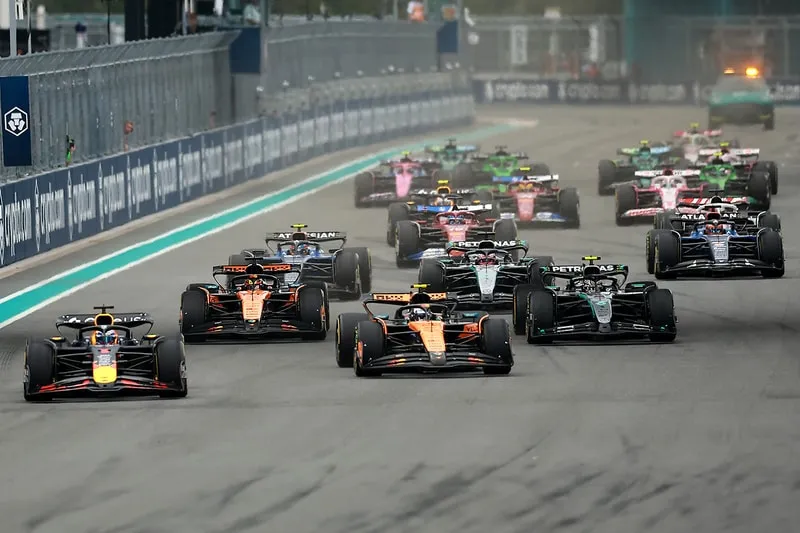
We're barely a handful of races into Formula 1's sweeping 2026 regulation era, and the sport's governing body is already making changes. Before the Miami Grand Prix, the FIA confirmed a package of technical regulation tweaks for the 2026 season - and rather than being a sign of panic, this kind of responsiveness is exactly what fans should want from the sport.
What's actually changing
According to reporting from Hypebeast, the updates center on two main areas. First, the energy management framework is being revised to cut down on lift-and-coast driving - that frustrating phenomenon where drivers are essentially forced to back off and nurse their power units rather than push flat out. If you've ever watched an F1 race and wondered why a driver suddenly seems to slow for no obvious reason, that's often lift-and-coast in action. It's a technical necessity that's anything but thrilling to watch.
Second, a new low-power start detection system is being introduced specifically to eliminate dangerous grid hazards at race starts. Speed differentials between cars in those chaotic opening seconds can create serious risks, and this fix is aimed squarely at driver safety.
Data-driven decisions
What makes this particularly interesting is how the changes came about. The FIA didn't just guess - the revisions were driven by direct driver feedback combined with telemetry data pulled from the opening three rounds of the season. That's a relatively fast turnaround from race observations to regulatory action, suggesting the issues flagged were significant enough to warrant quick attention.
The fact that extreme speed differentials were specifically highlighted as a concern tells you something about just how different these new-generation cars are behaving compared to what drivers and engineers anticipated on paper.
Why this matters beyond the paddock
For casual viewers, regulation tweaks can sound like dry technical housekeeping. But the push to minimize lift-and-coast has a very real impact on the quality of racing. More flat-out driving means faster lap times, more committed overtaking attempts, and a product that looks - and feels - more like the pinnacle of motorsport it's supposed to be.
The 2026 regulations were always going to require some real-world fine-tuning. Getting ahead of bigger problems before the season properly heats up, rather than waiting until the off-season, shows a degree of pragmatism that the sport doesn't always get credit for. Whether the fixes work as intended is another question entirely - but at least the right conversations are happening.