If you've spent any time online in the past decade, you've probably brushed up against fan fiction - whether you knew it or not. Maybe a friend sent you a link to a surprisingly well-written story about your favorite TV characters, or you noticed a bestselling novel had suspiciously familiar energy to a beloved franchise. Either way, something has shifted. Fan fiction isn't hiding anymore.
What's actually happening here
Archive of Our Own - better known as AO3 - has quietly become one of the most visited websites on the internet, with over 10 million registered users all doing the same thing: writing and reading stories about characters they love. The platform gives readers something that official canons rarely do. Want to see what happens if two characters end up together? What if the ending went differently? What if someone just got to be happy for once? AO3 is where those questions get answered, often at great length.
It's a space built entirely on passion, and that passion turns out to be wildly contagious. According to reporting from Vox, the fan fiction world has spent the last couple of years spilling well beyond dedicated sites and into the broader cultural conversation - with stories that started as labors of love now finding their way to mainstream audiences and, in some cases, actual bookshelves.

Why this matters beyond the fandom bubble
The rise of fan fiction as a legitimate creative form says something interesting about how we consume stories now. Readers aren't just passive anymore. They want to participate, to extend the worlds they love, to write the relationships and outcomes that the original creators either wouldn't or couldn't give them.

There's also something genuinely democratic about it. AO3 is free. Anyone can publish. The community self-organizes around what's good, and readers find their favorites through word of mouth. It's messy and vast and occasionally chaotic - and that's exactly why it works.
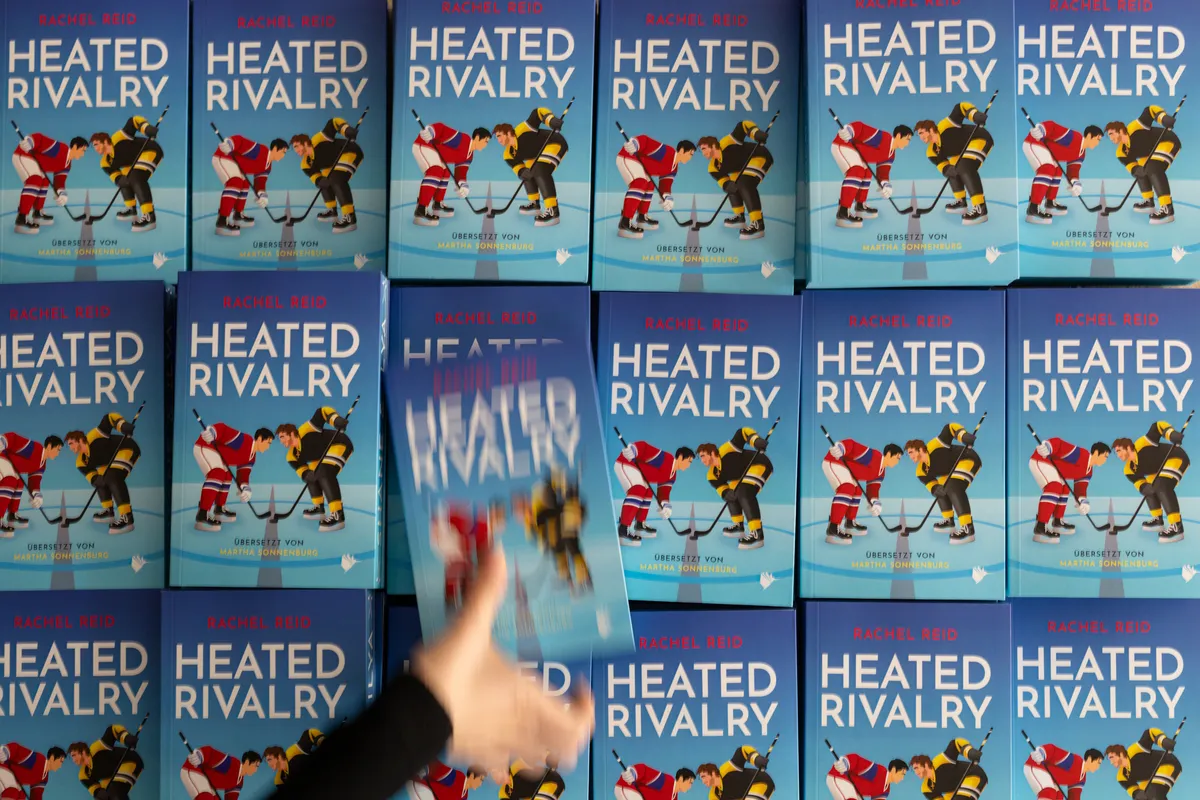
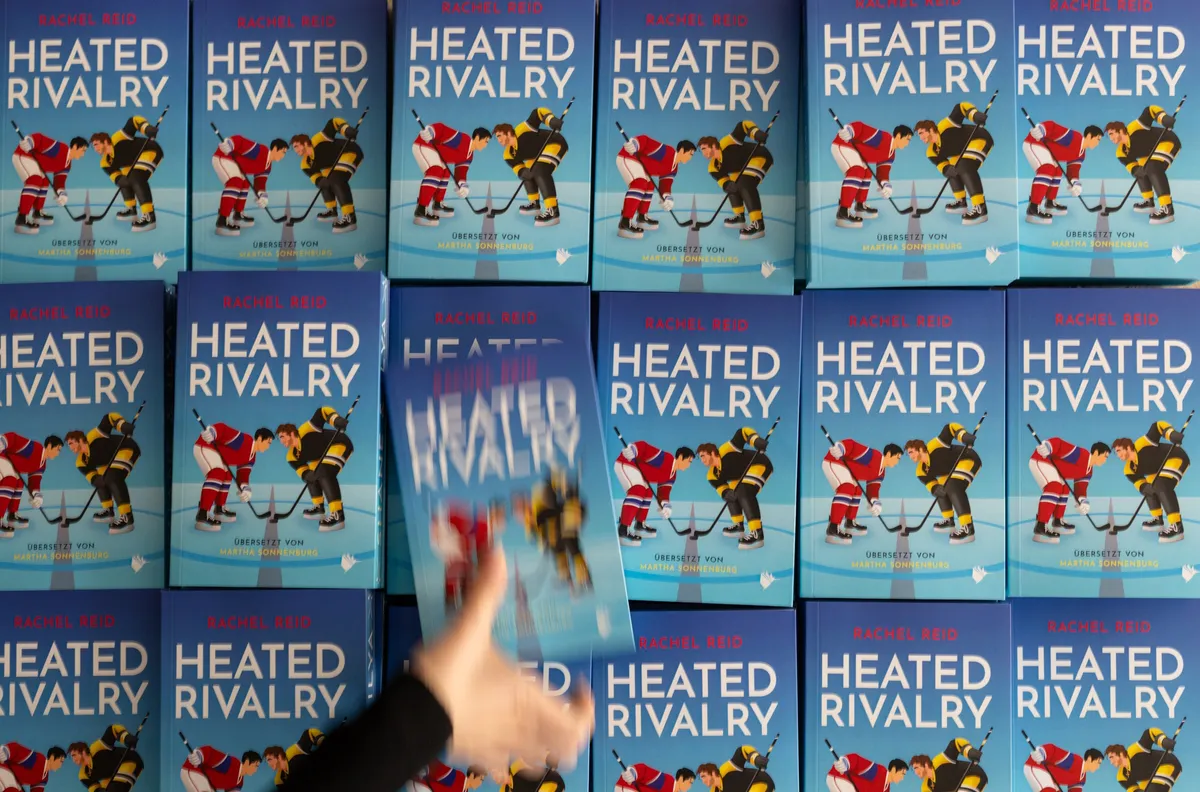
Books like Heated Rivalry represent a new chapter in this story, where the line between fan-created work and published fiction continues to blur. The skills being developed on AO3 - pacing, character voice, emotional stakes - are real writing skills, and readers are increasingly recognizing that.
The bottom line
Fan fiction was never really a lesser form of storytelling. It was just a form of storytelling that didn't have a publicist. Now that it does, it turns out the rest of the world is pretty interested in what fans have been making all along.