
For years, keeping kids off adult corners of the internet has been more of a suggestion than a reality. Type in a fake birthday, click "I agree," and you're in. But Europe is now pushing back with something more concrete: a free, anonymous age verification app designed to give platforms a real way to check who's on the other side of the screen.
What it actually does
The app is available at no cost to any company that wants to integrate it, according to Wired. The pitch is straightforward - it lets platforms verify whether a user is old enough to access their content without collecting personal data in the process. The "completely anonymous" design is a deliberate attempt to address one of the biggest concerns around age verification tech: that it turns into a surveillance tool or a data harvesting exercise.

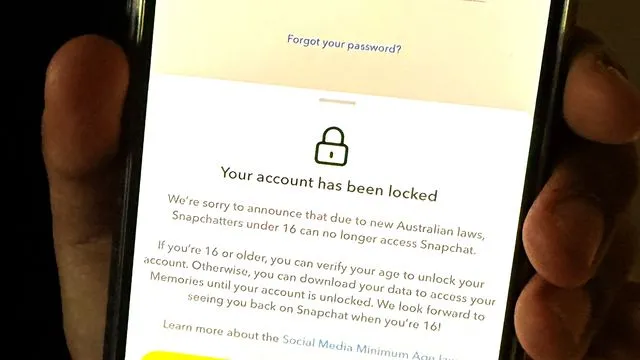
The immediate targets are porn sites and social media platforms, both of which have faced growing pressure from regulators across Europe to stop minors from accessing content that could harm them. This app is essentially handing those platforms a ready-made solution, removing the "we don't have the tools" excuse from the conversation.
Why this matters beyond Europe
This isn't just a regional story. Europe has a track record of setting digital standards that ripple outward - the GDPR is the obvious example, reshaping how companies handle data globally. A workable, privacy-respecting age verification framework could become a blueprint that other governments look to as they wrestle with the same problem.

The tension here is real and genuinely tricky. Parents want kids protected online. Privacy advocates worry about verification systems that require ID uploads or biometric data. Platforms want regulatory clarity without being burdened with complex compliance. An anonymous, free tool that checks age without storing sensitive information is trying to thread all of those needles at once.
Will platforms actually use it?
That's the open question. Making the tool free and easy to adopt removes one barrier, but adoption still depends on whether platforms feel enough regulatory heat to act. The app's arrival likely signals that European regulators are preparing to enforce existing rules more aggressively, giving companies a practical reason to get ahead of potential fines or restrictions.
For the rest of us watching from the sidelines, this is a genuine experiment in whether technology can help solve what has largely been a policy and enforcement failure. If it works - if it's actually adopted and actually keeps minors away from content they shouldn't be seeing - it's a meaningful step forward. If it gathers dust, it'll be another reminder that building the tool is the easy part.