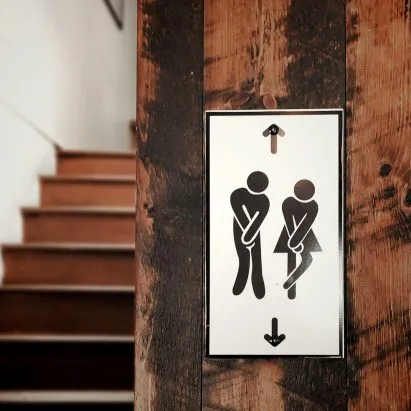
Nobody really thinks about public toilets until they desperately need one. And increasingly, when that moment arrives in England, there simply isn't one nearby.
A new study from the Royal Society for Public Health has found that the number of public toilets across England has fallen by 14 per cent over the last decade. The findings, drawn from Freedom of Information requests to more than 200 local authorities, paint a picture of a country quietly dismantling one of its most essential pieces of public infrastructure.
Why this matters more than you'd expect
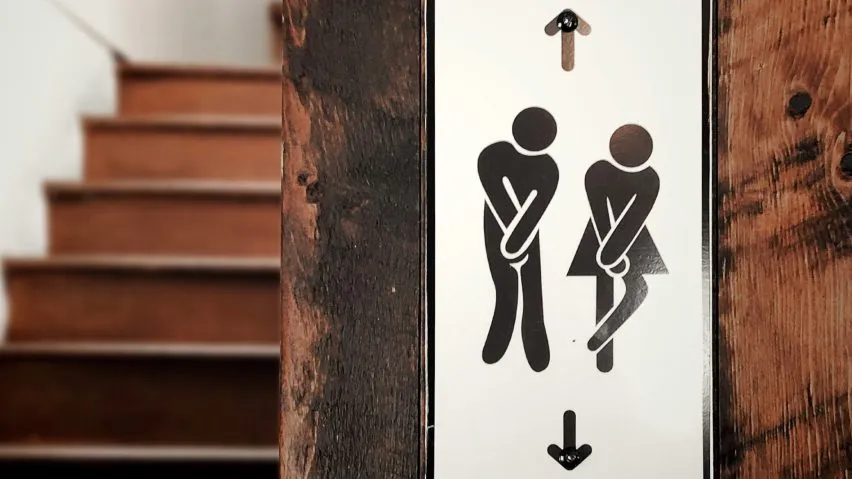
It's easy to dismiss this as a minor inconvenience, but the ripple effects are surprisingly significant. When people can't rely on finding a toilet while they're out, many simply choose not to go out at all. That hits hardest for older adults, people with bladder or bowel conditions, new parents, and pregnant women - groups who already face enough barriers to staying active and connected in their communities.
The Royal Society for Public Health is framing this not just as an inconvenience, but as a genuine public health issue. Limited access to toilets can lead people to restrict fluids, which carries its own health risks, or to avoid physical activity and social outings altogether.
The high street angle
There's also an economic dimension worth paying attention to. The report flags that the toilet shortage is damaging to high streets - which, if you've been following the ongoing struggles of town centres across the UK, is the last thing they need right now. If people feel they can't comfortably spend a few hours browsing shops or grabbing a coffee without worrying about bathroom access, they're less likely to venture out in the first place. Footfall suffers. Local businesses suffer.
The term the report uses - "public toilet deserts" - is stark but accurate. Large swathes of England are being left without adequate facilities, and it's not a glamorous enough issue to attract much political attention.
A quiet infrastructure crisis
Public toilets don't make headlines the way hospitals or housing do, but they represent something fundamental: the basic ability to exist comfortably in public space. Their decline is part of a broader pattern of cuts to local authority services that have eroded the small but essential things that make towns and cities genuinely liveable.
It's worth asking what kind of public spaces we actually want - and whether "a place where you can spend a few hours without worrying about basic bodily needs" should really be considered a luxury in 2025.