Remember when AlphaFold cracked the protein-folding problem and the entire biology world collectively lost its mind? Well, DeepMind apparently looked at that achievement and thought: cool party trick, now let's use it to actually cure people.
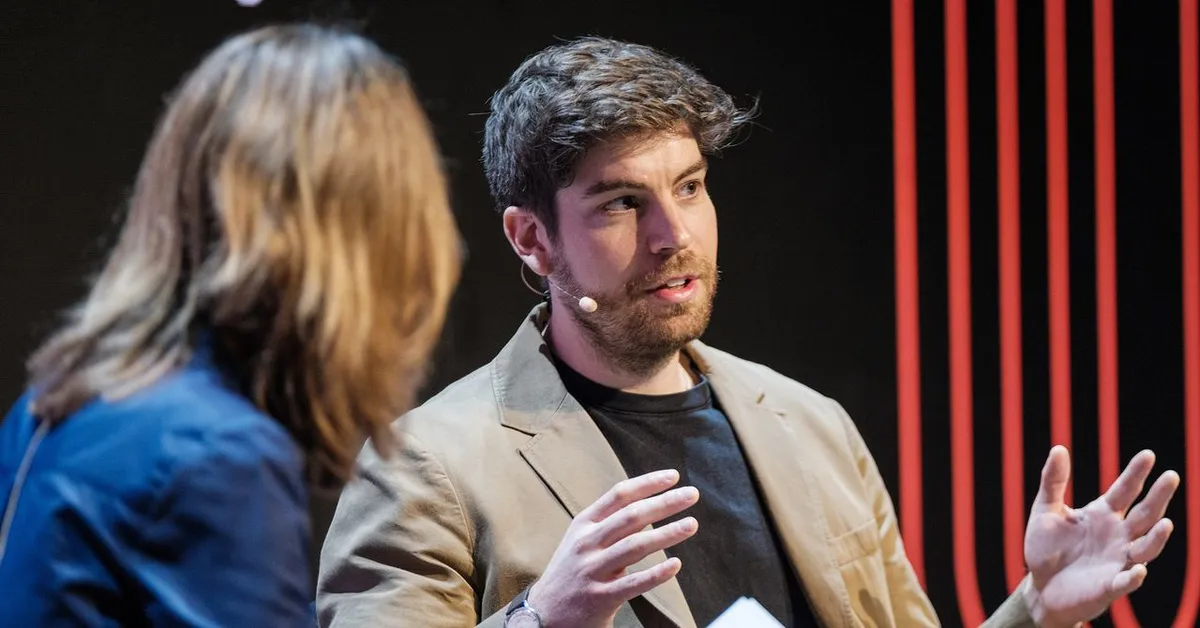
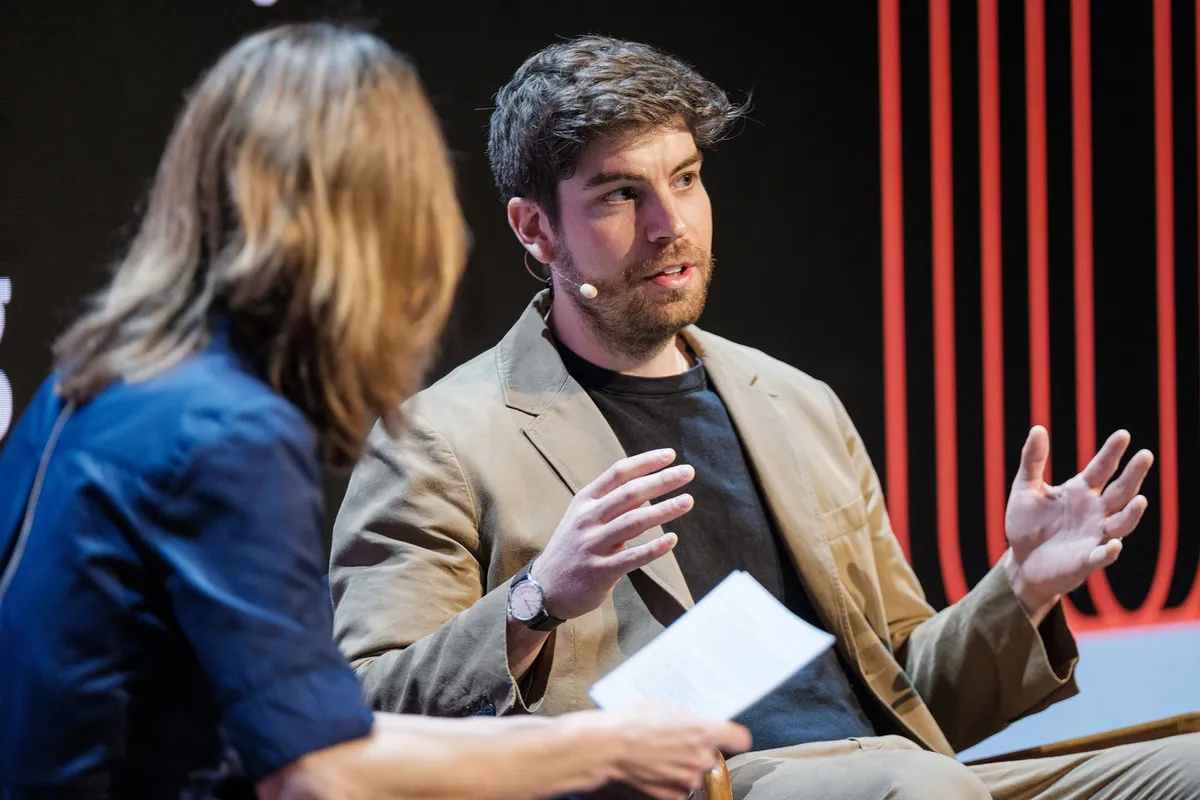
Enter Isomorphic Labs, the DeepMind spinoff that has been quietly cooking up AI-designed drugs in the background while the rest of us were arguing about chatbot hallucinations. The company's president, Max Jaderberg, took the stage at WIRED Health in London to announce that they have built what he called a "broad and exciting pipeline of new medicines" - and some of them are heading into human trials.
Why this is a bigger deal than it sounds
Drug discovery is historically one of the most painful, expensive, and soul-crushing endeavors in science. We're talking billions of dollars, decades of work, and a failure rate that would make even the most optimistic startup founder weep into their cold brew. The traditional model basically involves scientists educated-guessing their way through millions of molecular combinations and hoping something sticks.
AI flips that script by being able to model how molecules interact with biological targets at a speed and scale no human team could match. Isomorphic Labs is built specifically around this idea - using machine learning not just to speed up the old process, but to fundamentally redesign how new drugs get discovered in the first place.

From simulation to bloodstream
The jump to human trials is where things get real. It's one thing to have an AI generate promising molecular candidates on a computer. It's an entirely different thing to put those candidates into an actual person and see what happens. That transition from "exciting pipeline" to clinical trial is the gauntlet that separates the hype from the history-making.
Jaderberg's comments at WIRED Health suggest Isomorphic is confident enough in their models to take that leap. Which, honestly, tracks - when your founding technology is the same one that solved a problem scientists had been stuck on for 50 years, you probably have earned a little confidence.

The part where we all pay attention
If even a fraction of Isomorphic's pipeline proves effective in trials, it could meaningfully accelerate how quickly new treatments reach patients. Not just for rare diseases or niche conditions, but potentially across the board. The company hasn't disclosed specific targets yet, but the framing of "broad" pipeline suggests they're not limiting themselves to one therapeutic area.
AI-designed drugs going to human trials isn't the finish line - it's more like the opening credits. But given where we started, even getting to the opening credits this fast is genuinely wild.