If you've ever wondered why self-driving cars look like they're wearing a science experiment on the roof, here's the short version: they need multiple types of sensors because no single one does everything well. Cameras see color and detail but struggle with depth. Lidar nails depth but traditionally gives you a colorless, skeletal picture of the world. Getting both at once has been, as Ouster CEO Angus Pacala described it to TechCrunch, something of a "holy grail" for the industry.
Ouster thinks it's now close to cracking it.
What makes color lidar different
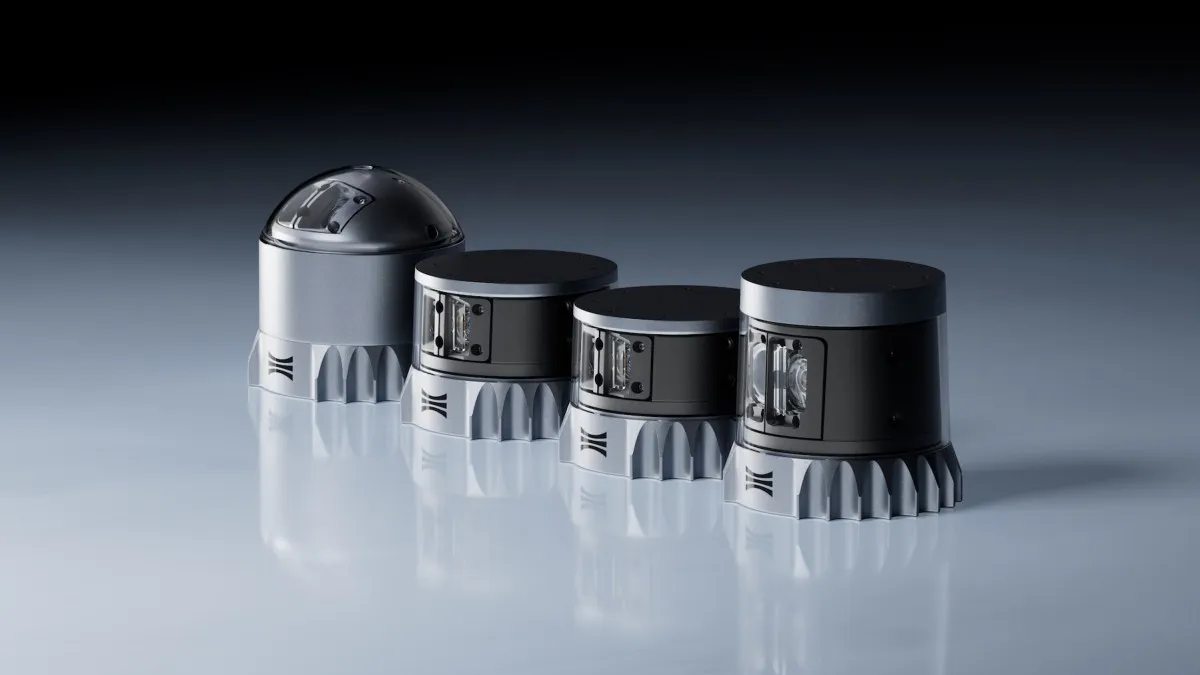
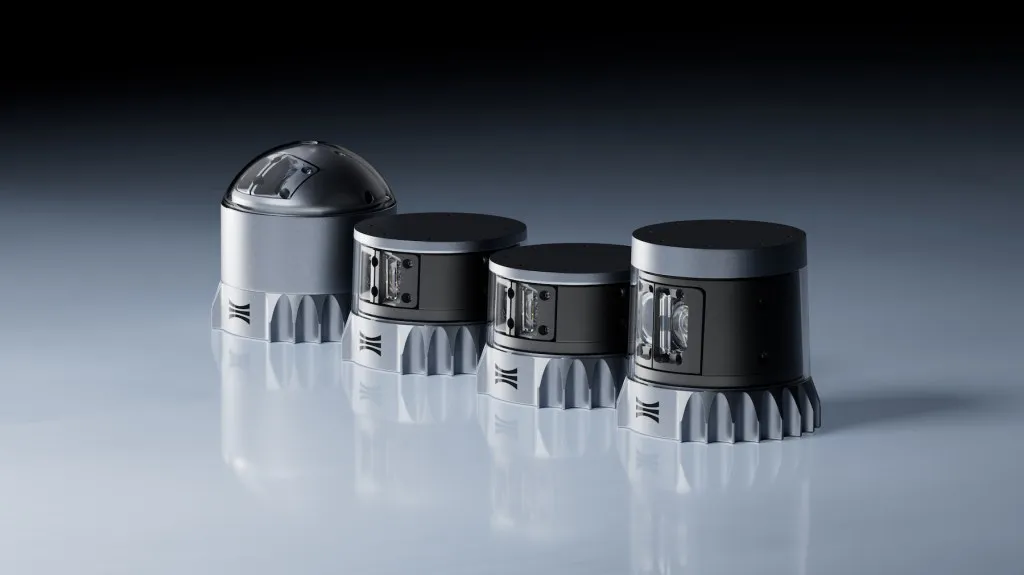
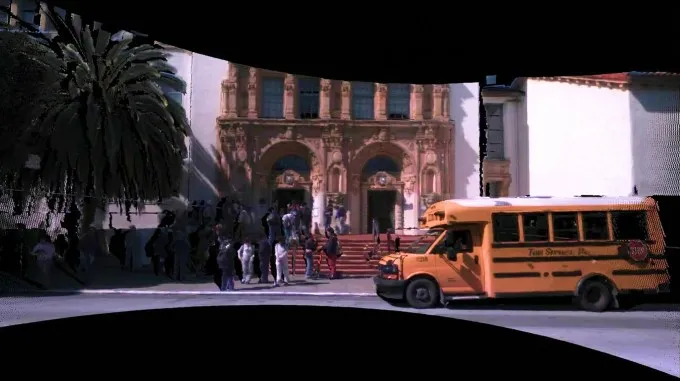
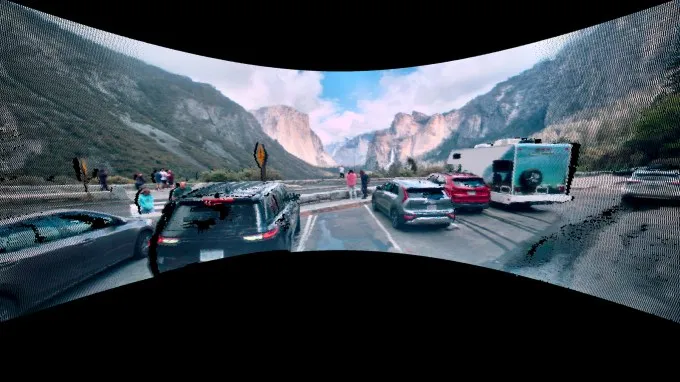
The company's new color lidar sensor is designed to capture both depth data and image data simultaneously - meaning it can tell you how far away something is and what it looks like, in a single pass. That combination has proven surprisingly difficult to engineer, which is why autonomous vehicles have historically relied on fusing data from several separate sensors to build a complete picture of their surroundings.
The appeal of collapsing that into one device goes well beyond tidiness. Fewer sensors typically means lower cost, simpler calibration, less processing overhead, and fewer failure points. For an industry that's been wrestling with the economics of scaling autonomous vehicles, that's a genuinely meaningful shift.
Why this matters beyond self-driving cars
It's worth remembering that lidar isn't just an automotive technology anymore. It turns up in robotics, smart infrastructure, logistics, even some consumer devices. A sensor that can simultaneously handle depth and visual detail could open doors in any setting where cameras and lidar are currently being used side by side - warehouses, delivery robots, security systems, you name it.
The camera, for all its ubiquity and low cost, has real limitations in low light and at speed. Lidar has always been strong where cameras falter. A color lidar that combines both capabilities could quietly reshape how a lot of industries think about machine vision.
Still early days, but the direction is clear
Ouster hasn't yet displaced the camera, and there are real engineering and cost hurdles still to clear before color lidar becomes a mainstream choice over conventional setups. But the direction of travel is interesting. The industry has long treated sensor fusion as the solution to perception challenges - layering different technologies to compensate for each other's weaknesses. If one sensor can genuinely do the job of several, that assumption gets revisited pretty fast.
Keep an eye on this one. It's the kind of incremental-sounding development that ends up being quietly significant.