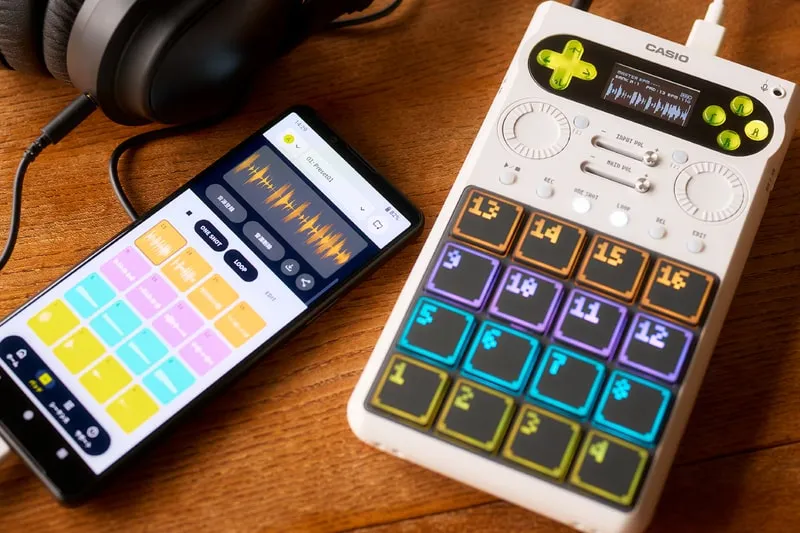
Casio has always had a soft spot in the hearts of musicians - from bedroom producers who grew up mangling sounds on the cult-classic SK-1 to synth enthusiasts who never quite kicked the habit. Now the brand is stepping into decidedly modern territory with the SXC-1, a portable standalone sampler aimed squarely at today's generation of digital creators.
Built for the creator economy
Casio Japan officially unveiled the SXC-1 as a core tool for what the brand is calling the "Creator Economy" - a clear signal that this isn't a nostalgia play. This is Casio positioning itself as a serious production tool for the kind of people who make music in coffee shops, on tour buses, and in tiny apartments with foam panels on the walls.
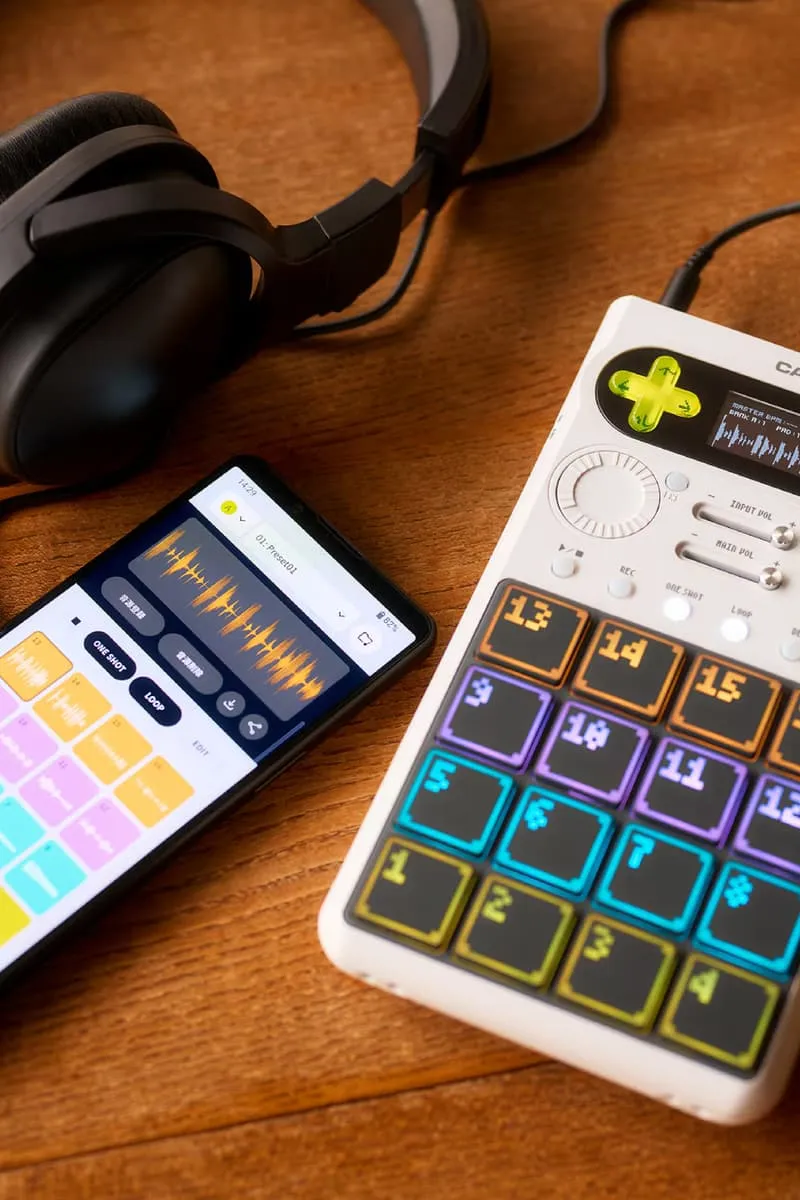
The device comes loaded with dedicated sampling pads engineered for high-precision tactile feedback, which matters more than you might think. When you're chopping samples and building beats in real time, the way a pad responds under your fingers can make or break your flow. Casio seems to understand this.
Analog capture meets digital editing
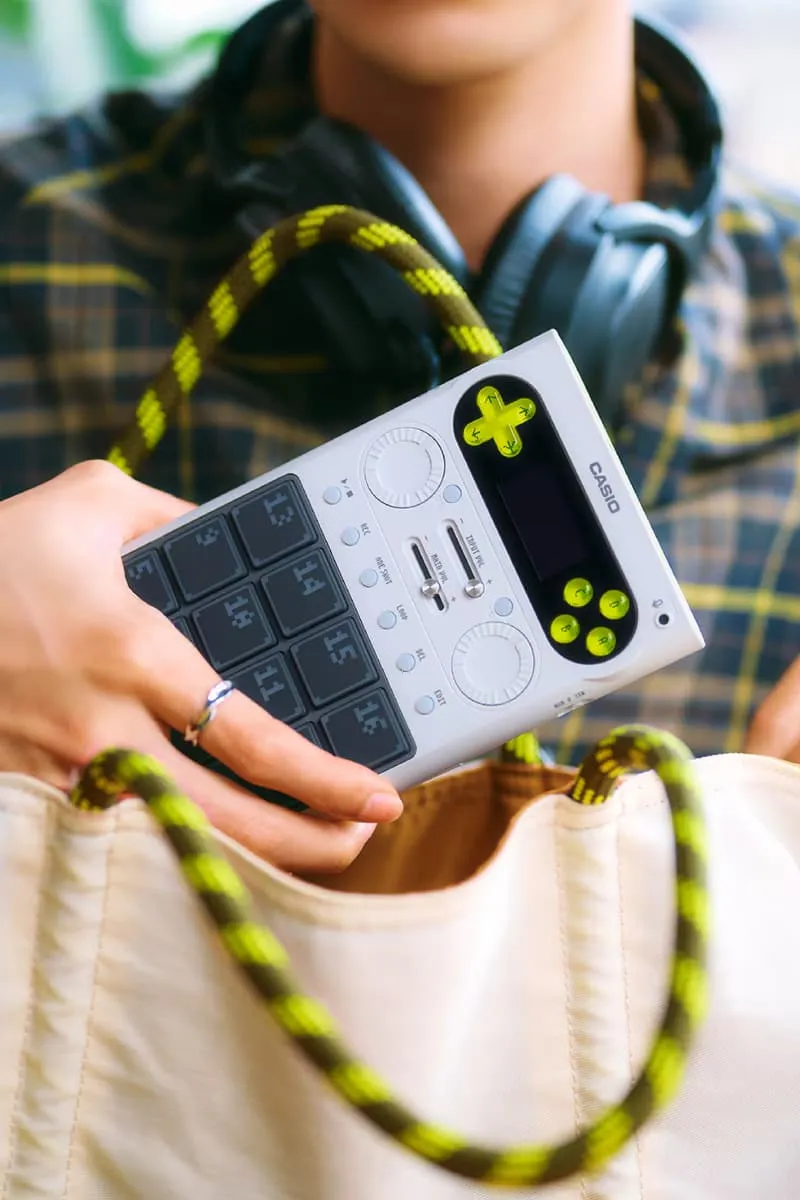
One of the more compelling aspects of the SXC-1 is its integrated connectivity, designed to create a seamless bridge between analog capture and digital editing. In practical terms, that means you can grab sounds from the real world and work with them in a modern production environment without jumping through a dozen technical hoops - a frustration that has long plagued hardware-software workflows.
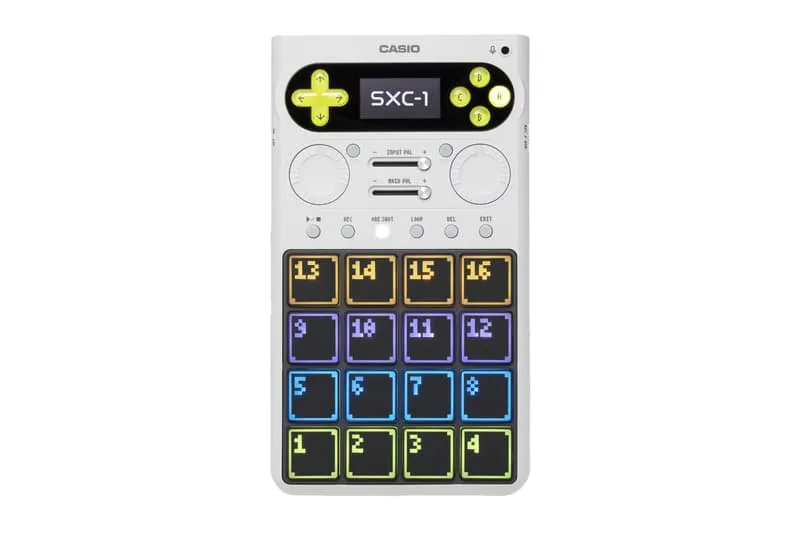
It's a high-spec machine by Casio's standards, which makes it an interesting evolution for a brand that built its musical reputation on affordable, accessible gear. The SK-1, released back in 1985, was famously cheap and deliberately limited - and those limitations became its greatest creative asset. Lo-fi enthusiasts have been flipping them on eBay for years.
Why this matters
The SXC-1 feels like Casio reclaiming its place in music culture, but on updated terms. Standalone samplers have seen a genuine resurgence lately - artists and producers are increasingly drawn to hardware that lets them create without staring at a laptop screen. There's something tactile and immediate about working with a physical device, and Casio is betting that the SXC-1 can deliver that feeling without sacrificing modern functionality.
Whether it captures the same accidental magic as the SK-1 remains to be seen. But the fact that Casio is even in this conversation again is genuinely exciting for anyone who's been paying attention.