If you've ever fantasized about a home that feels genuinely connected to nature without sacrificing architectural elegance, Casa Colmeia might be the reference image you didn't know you needed.
Designed by Brazilian studio Sabella Arquitetura and reported by Dezeen, the house sits on a sloping, wooded site in Porto Feliz, just outside São Paulo. At 1,600 square metres spread across two generous levels, it's a substantial build - but what makes it genuinely compelling is the way it wears that scale lightly.
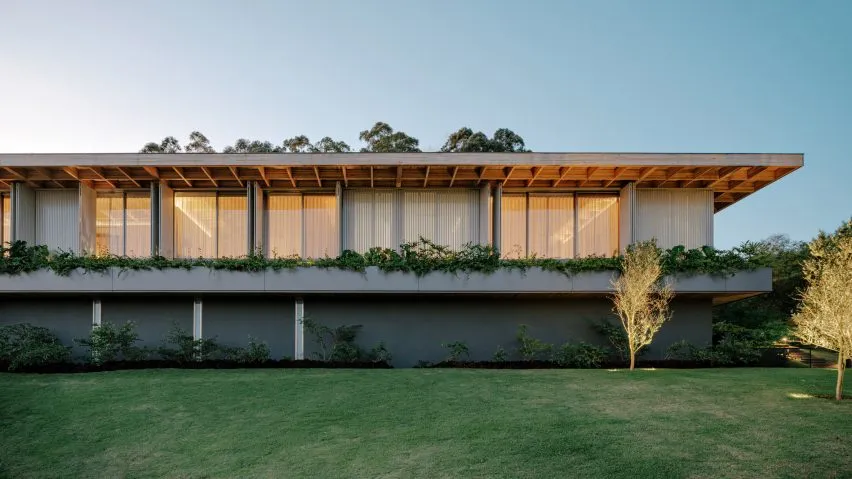
The roof is the star
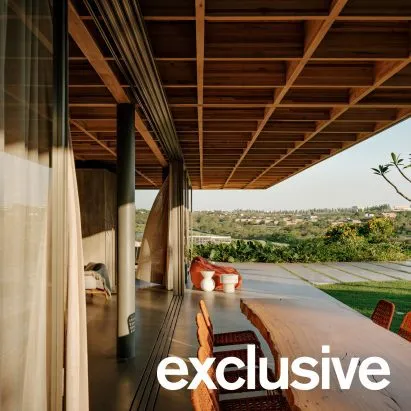
The defining feature here is a gridded timber roof that stretches over both the interior spaces and the external terraces. It's the kind of architectural move that sounds simple on paper but delivers enormously in practice. Rather than drawing a hard boundary between inside and outside, the roof creates a continuous sheltered zone - a covered world where you can be outdoors without fully leaving the comfort of the home.
The grid pattern itself gives the structure a rhythm and texture that feels warm rather than industrial. Timber has a way of softening even the boldest geometric ideas, and here it plays beautifully against the lush tropical greenery surrounding the property.
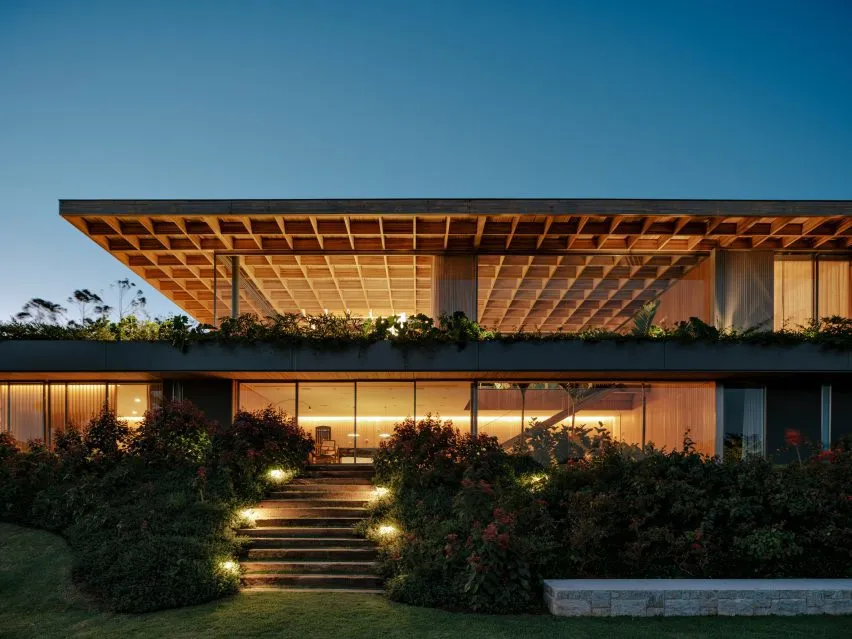
Living with the landscape
The house doesn't just sit on its wooded site - it responds to it. The two wide levels follow the natural slope of the land, and the spaces open outward onto a series of tropical gardens that were designed specifically for this project. That kind of integration between architecture and landscape design is harder to pull off than it looks, and it's what separates a house that feels alive from one that simply occupies a plot.
The result is a home that invites you to move through it as much as sit in it - from shaded terrace to garden to interior and back again, with the gridded canopy overhead providing a visual thread through the whole experience.
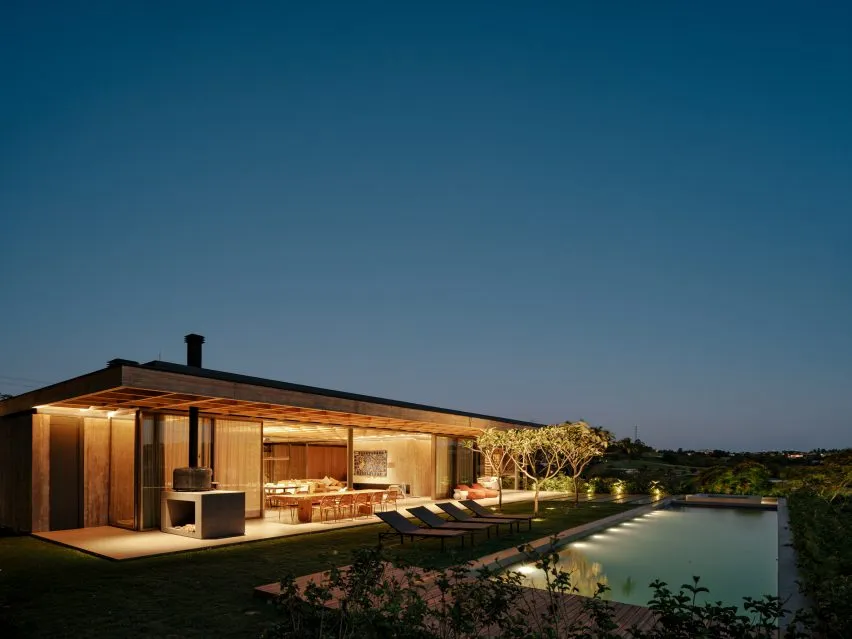
Why this matters beyond the pretty pictures
Casa Colmeia is a useful reminder that innovative residential design doesn't have to chase novelty for its own sake. The ideas at work here - sensitive site planning, a commitment to indoor-outdoor flow, and the thoughtful use of natural materials - are genuinely liveable principles. They translate across climates and budgets, even if the scale of this particular home is firmly in fantasy territory.
For anyone thinking about how their own living space could feel more connected to the outside world, this São Paulo project is well worth a closer look.