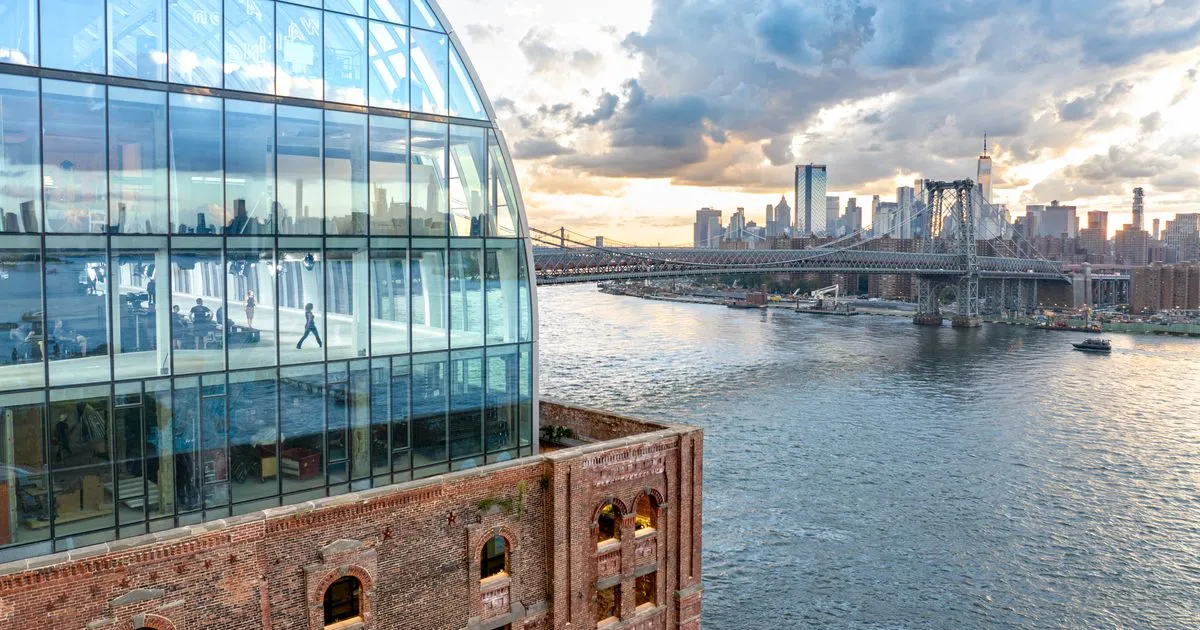
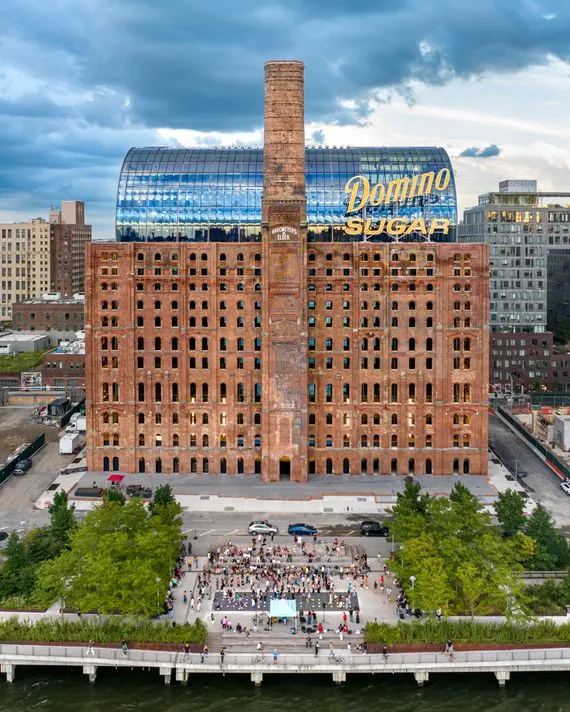
It turns out that Brooklyn cool doesn't automatically translate into corporate appeal. Developers behind the Domino Refinery in Williamsburg are rethinking their big-office vision after discovering that the borough isn't quite the magnet for large commercial tenants they'd hoped it would be, according to reporting from Curbed.
The small-tenant pivot
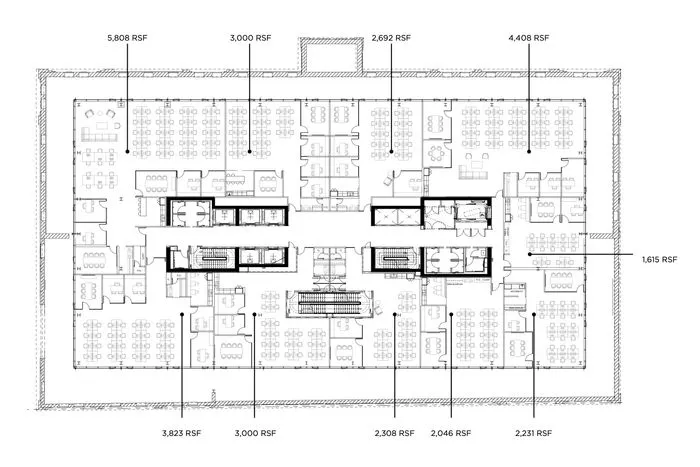
Rather than landing the kind of sprawling, headline-grabbing office leases that would signal Brooklyn's arrival as a serious business hub, the Domino Refinery is increasingly turning to smaller tenants to fill its space. It's a pragmatic move, but it also tells a bigger story about where the commercial real estate market actually stands in the outer boroughs.
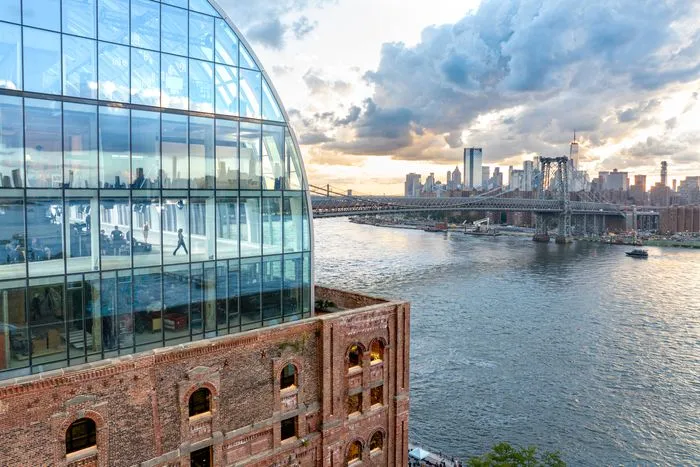
For years, the narrative around neighborhoods like Williamsburg has been irresistible - a creative, energetic alternative to Manhattan's polished corporate corridors. The pitch makes a certain kind of sense on paper. Lower rents, a younger workforce that already lives nearby, and a borough identity that companies love to borrow for branding purposes. But wanting to be associated with Brooklyn's vibe and actually committing to a lease there are two very different things.
Why this matters beyond real estate
This shift is worth paying attention to even if you've never thought twice about commercial leasing. The tension between Brooklyn's aspirational identity and its on-the-ground realities touches something broader - the gap between a neighborhood's cultural cachet and its practical infrastructure for business.
There's also something quietly revealing about what it means when developers have to recalibrate. These aren't small bets. Projects like the Domino Refinery represent enormous investments built on assumptions about how and where people want to work. When those assumptions wobble, it ripples outward - affecting what gets built next, how neighborhoods evolve, and who ends up calling them home.
What comes next
Smaller tenants aren't a failure, exactly. Flexible, human-scaled office spaces are genuinely in demand, and filling a building with a mix of growing companies can create a more dynamic environment than one single corporate anchor ever would. But it does suggest that the version of Brooklyn as a polished commercial destination - the one developers were clearly betting on - is arriving more slowly than expected, if it arrives at all.
For anyone who loves what Brooklyn actually is, rather than what investors want it to become, that might not be the worst news in the world.