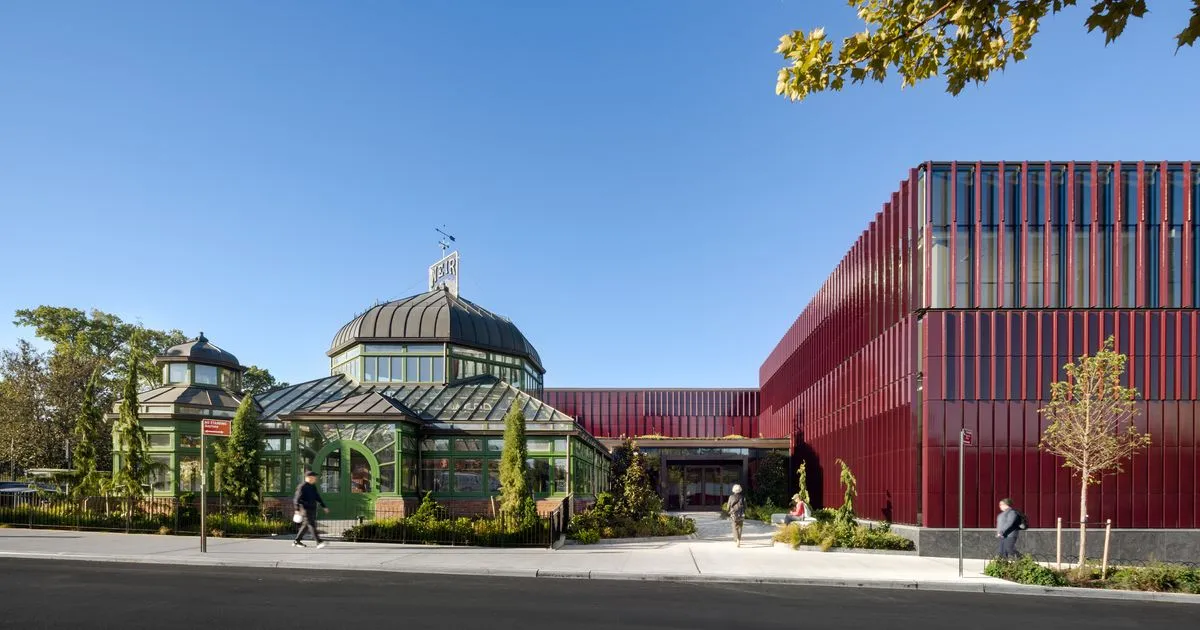
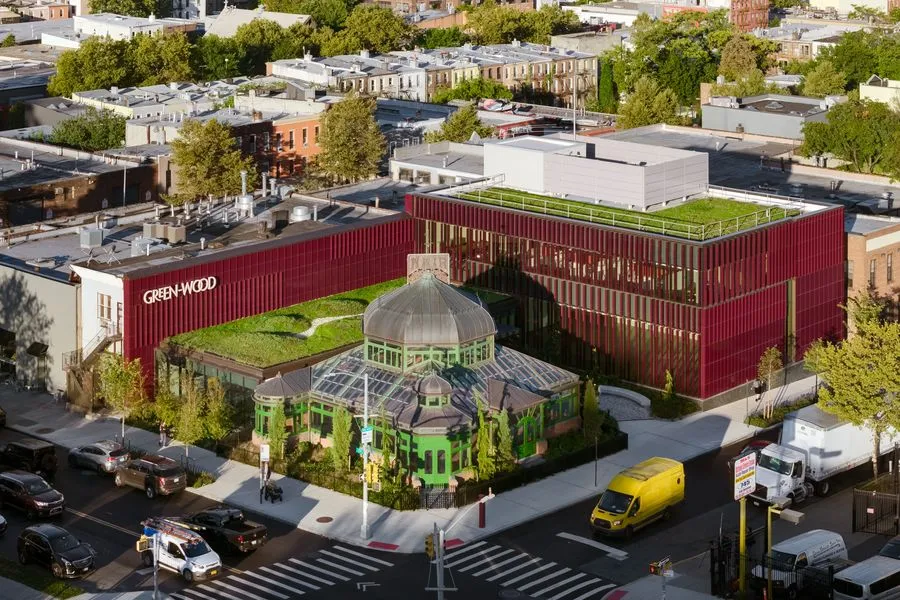
Cemeteries aren't typically the kind of place you'd expect to find cutting-edge architecture or a reason to linger. But Green-Wood Cemetery in Brooklyn has long defied that assumption - and its new visitor center, which wraps around an existing greenhouse, is the latest reason to pay attention.
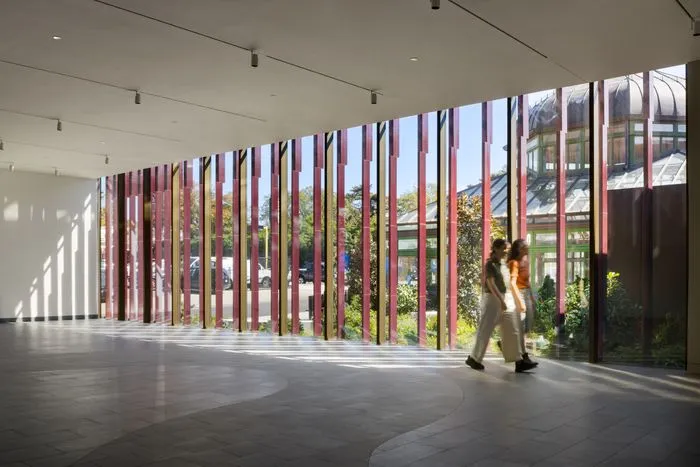
Reported by Curbed, the new structure is notable not just for what it adds, but for what it deliberately holds back. Designed to be self-effacing, the visitor center manages to make a meaningful architectural statement without overshadowing the landscape it serves. That's a genuinely difficult balance to strike, and it's what makes this project worth talking about.
A space that respects what's already there
Green-Wood has always been more than a burial ground. Established in 1838, it's a National Historic Landmark and one of New York City's most quietly spectacular green spaces - the kind of place where locals go to walk, reflect, and escape the noise of the city. Any new addition risks disrupting that delicate atmosphere.
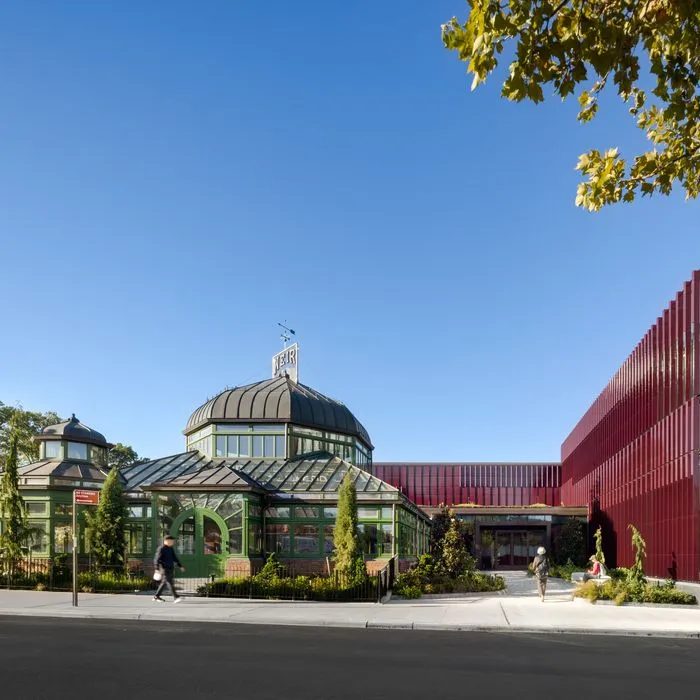
The decision to build around the existing greenhouse rather than replace or compete with it signals a thoughtful approach. The greenhouse becomes a centerpiece rather than an afterthought, and the visitor center essentially embraces it - creating a functional, welcoming gateway without feeling like an imposition on the grounds.
Why this kind of space matters
There's a broader cultural shift happening around how we think about cemeteries. For a long time, these spaces were treated as places you visited only when you had to. But Green-Wood, like a handful of other historic burial grounds across the country, has been quietly repositioning itself as a genuine community destination - hosting concerts, art installations, and guided tours that bring in people who have no one buried there.
A proper visitor center is part of making that invitation feel real. When a space has somewhere to orient yourself, learn the history, and feel genuinely welcomed, you're more likely to slow down and actually experience it. That's good for the cemetery, good for the neighborhood, and honestly good for the soul.
Architecture that gets out of its own way
The self-effacing quality noted in Curbed's coverage is worth dwelling on. In an era where architectural ego can overwhelm the very spaces buildings are meant to serve, a structure that consciously steps back and lets its surroundings lead is a refreshing choice. It suggests the designers understood that Green-Wood's greatest asset is the landscape itself - and their job was to support it, not steal the show.
If you haven't wandered through Green-Wood recently, this seems like a pretty good excuse to change that.