If you've spent any time on TikTok in the past few years, you've almost certainly stumbled into BookTok - the corner of the app where readers obsess over their latest five-star reads, cry over fictional characters, and occasionally send a relatively quiet novel rocketing onto bestseller lists. It's been genuinely wonderful for the publishing industry and for reading culture broadly. But there's a complicated flip side emerging, and authors are starting to talk about it.
The new unwritten job description
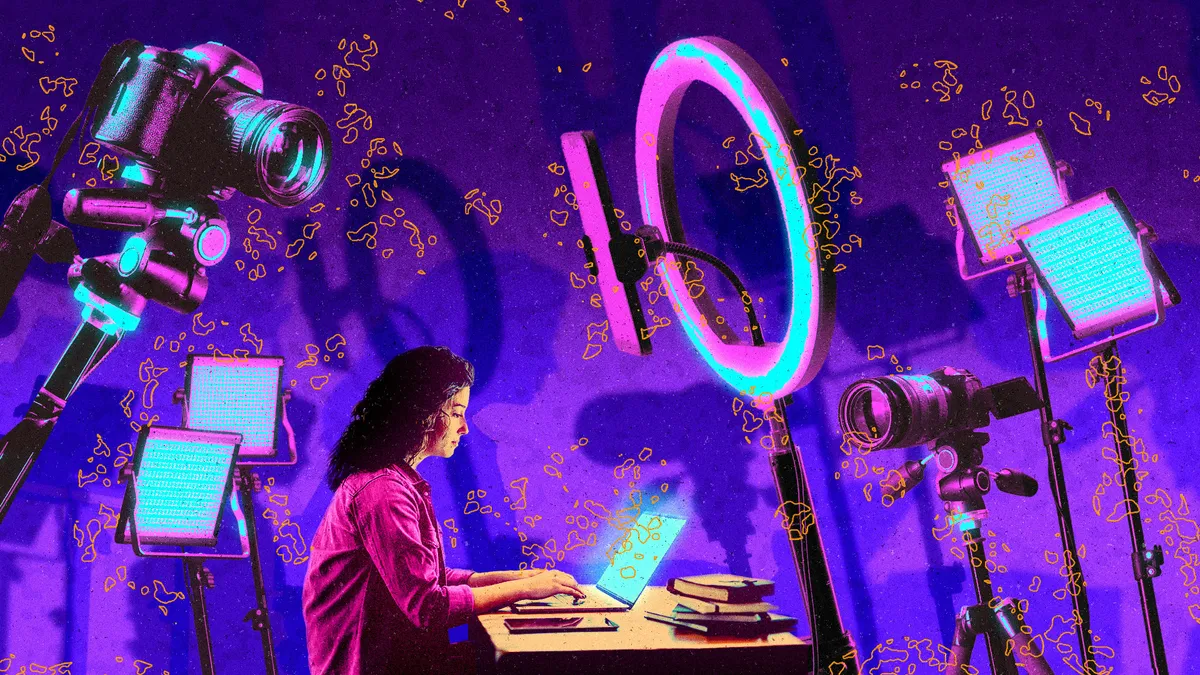
According to a piece from Mashable, the rise of BookTok has quietly shifted expectations around what it means to be a published author in 2024. Writing the book, it seems, is no longer quite enough. There's a growing pressure - sometimes subtle, sometimes not - for authors to also become content creators: showing up on social media, making videos, cultivating an online persona, and essentially marketing themselves in real time.
This is a significant ask. Writing and content creation are genuinely different skills. One is a largely solitary, slow-burning craft. The other demands consistency, visibility, and a certain comfort with performing for an audience. Not every person who has a great novel in them also has the instinct or the energy for going viral.
Why this matters beyond publishing
The author-as-content-creator tension is really just a specific version of something happening across creative industries right now. Musicians, visual artists, filmmakers - anyone building a creative career is increasingly expected to also be their own marketing department. The platforms have changed what audiences expect from the people whose work they love, and the line between the art and the artist's online presence keeps blurring.
For some authors, leaning into social media has been genuinely rewarding - a way to connect with readers, find community, and yes, sell books. For others, the pressure to perform publicly sits in direct conflict with the kind of quiet, interior life that fuels good writing in the first place.
There's no single right answer here
What's refreshing about the conversation Mashable surfaces is that there isn't a clean verdict. Some authors are thriving by embracing their BookTok presence. Others are pushing back and protecting their creative boundaries. What's clear is that the industry is still figuring out where social media fits into a sustainable writing career - and that authors deserve the space to make that call for themselves.
BookTok has done something genuinely special by making reading feel exciting and communal again. The hope is that the culture it's built doesn't end up demanding too high a price from the people actually creating the books everyone's talking about.