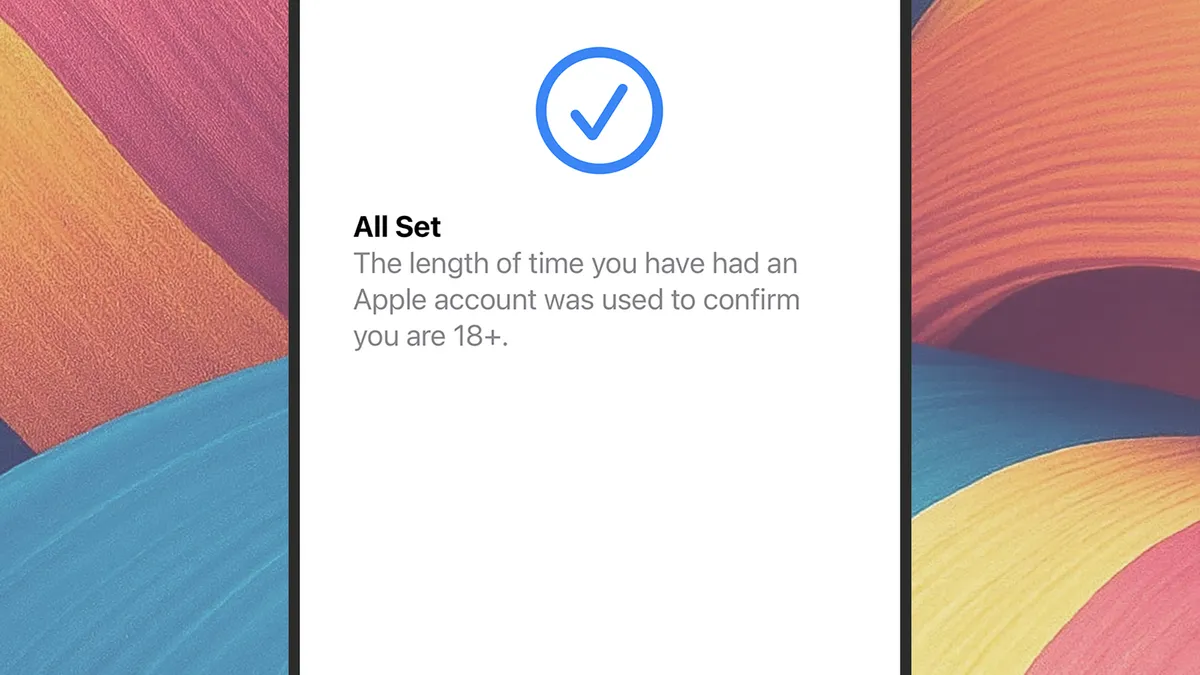
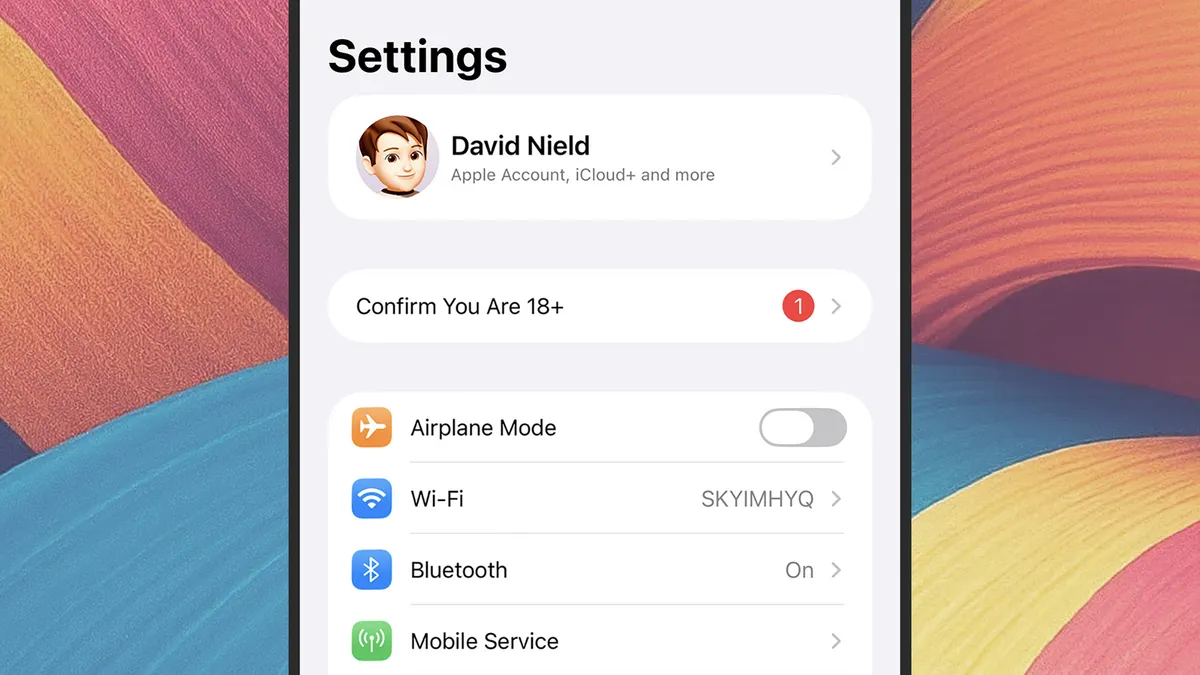
If you've updated your iPhone recently and live in the UK, you may have noticed something new: Apple is now verifying your age, and if you can't prove you're 18 or over, certain features and apps are getting locked down.
According to Lifehacker, the feature arrived with iOS 26.4 and represents a meaningful shift in how the UK's digital landscape handles age-appropriate content. It's not just a pop-up asking you to tick a box saying you're old enough - this is a proper verification system with real restrictions attached.
So how does it actually work?
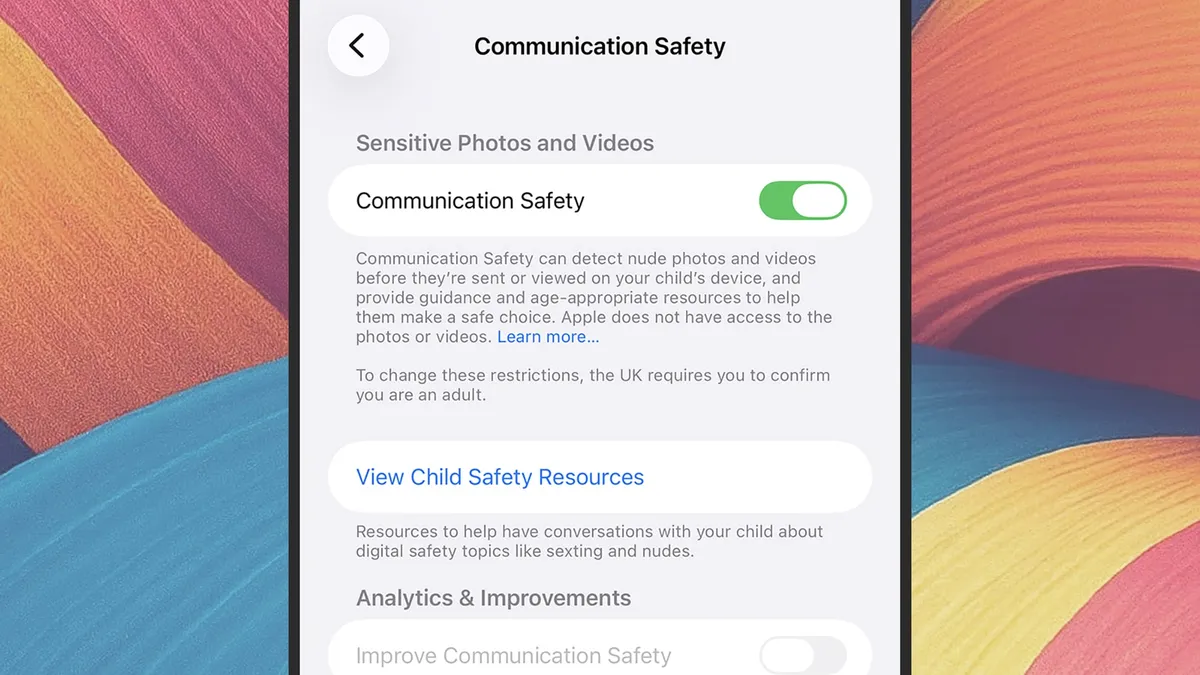
The short version: if you're under 18, or if you can't demonstrate that you're an adult, iOS applies a set of restrictions to your device. That means certain apps, content, and features become inaccessible until your age is confirmed.
For parents, this is arguably good news. The idea of a phone-level gating system - rather than relying on individual apps to police their own age limits - is a more robust approach to keeping younger users away from content that isn't meant for them. We've all seen how easily kids can click past a "are you 18?" disclaimer.
Why this matters beyond just kids and parents
Even if you're firmly in the adult camp, this rollout signals something bigger. The UK has been pushing hard for stricter online safety measures, and Apple implementing age verification at the operating system level suggests tech companies are starting to take that regulatory pressure seriously.
It also raises questions worth thinking about - around privacy, around what data is collected to verify your age, and around how smooth (or frustrating) the verification process actually is in practice. Anyone who has ever tried to prove their identity through an app knows that "quick and easy" isn't always how it goes.
What should you do now?
If you're an adult in the UK and want full access to your device's features, it's worth going through the verification process sooner rather than later to avoid any unexpected surprises. If you're a parent, this is a good moment to check in on your child's device settings and understand exactly what the new restrictions cover.
This is one of those updates that quietly changes quite a lot about the day-to-day iPhone experience - and whether you see it as a welcome safety net or an added layer of friction probably depends a lot on who you are and who's using the phones in your household.