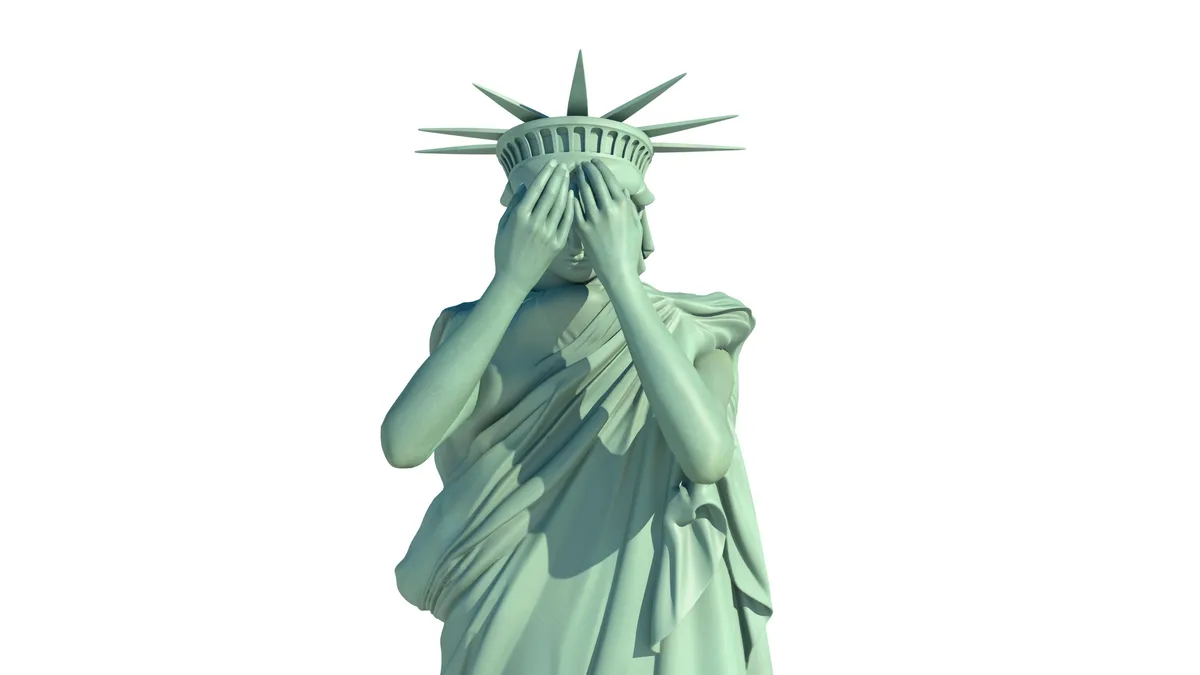
Here's a fun party trick: ask someone when America's golden age was. They'll probably say sometime in the past, somewhere vague, definitely not now. According to polling reported by Vox, roughly 60 percent of Americans think the country is on the wrong track, and a majority believe its best years are firmly in the rearview mirror.
Which is wild, because the rearview mirror includes 1976 - and that year was, by almost any measurable standard, a disaster.
Let's set the scene
The summer of 1976 was America's Bicentennial - 200 years of independence, celebrated while the country was quietly falling apart. The sitting president, Gerald Ford, had never actually been elected to the job. His predecessor resigned in disgrace. The one before that also resigned - as vice president. Vietnam had just ended in defeat. The national mood was roughly "everything is terrible and also somehow getting worse."
And yet, ask a good chunk of Americans today, and they'd trade places with 1976 in a heartbeat. Not because 1976 was great - it wasn't - but because the present feels so relentlessly grim that nostalgia doesn't even need to be accurate anymore. It just needs to exist.

So what's actually going on?
This is the part where the psychology gets interesting. Humans are notoriously bad at comparing their current emotional state to objective data. We feel the cost of eggs at the grocery store way more acutely than we register that life expectancy is up, infant mortality is down, or that we have access to more material comfort than virtually any prior generation in history.
There's also the small matter of the internet, which has essentially turned "bad news from everywhere, all the time" into the default setting of modern consciousness. In 1976, you had to wait for the evening news to find out things were going badly. Now your phone tells you approximately every 90 seconds.
The vibe economy is broken
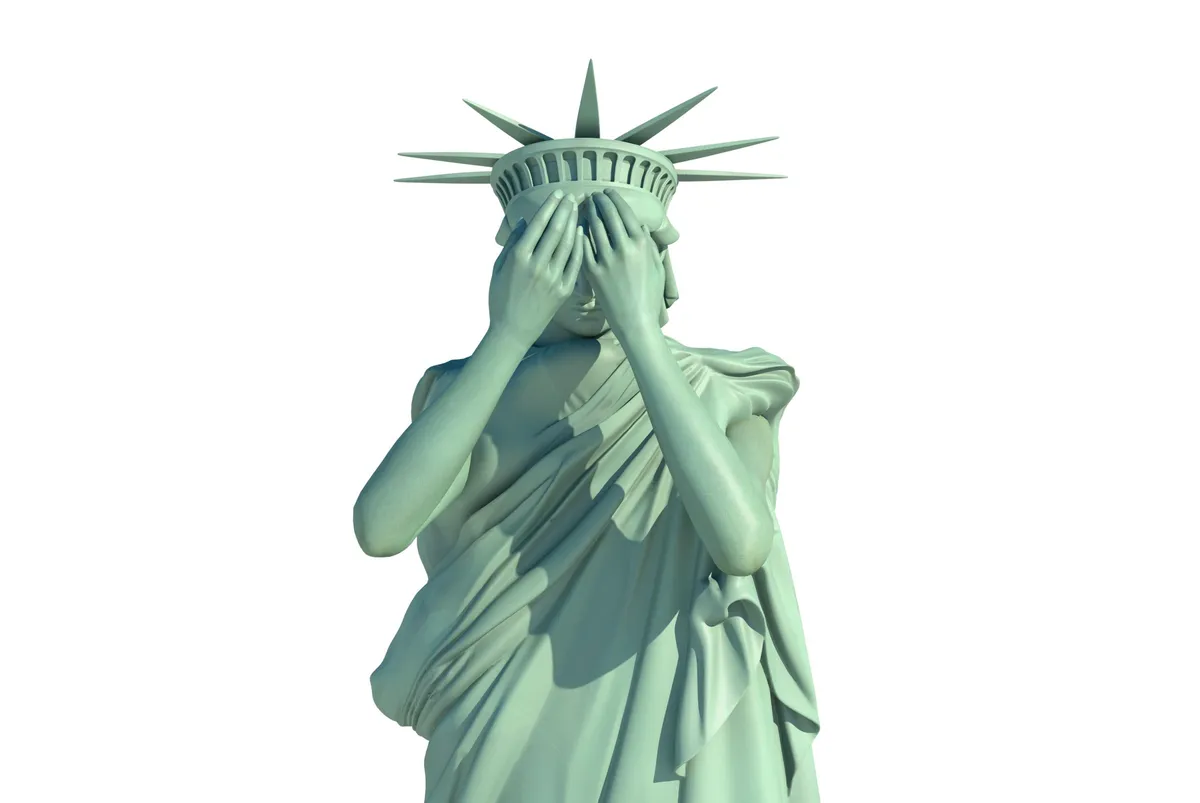
What Vox is really poking at here is a fascinating and slightly terrifying disconnect: the metrics say one thing, the feelings say another, and the feelings are winning. That matters - because political decisions, social trust, and collective resilience all run on perception, not spreadsheets.
If people believe the country is in decline, they behave as if it is. And then, funny enough, it starts to be.
None of this means everything is fine. Inequality is real, costs are brutal, and institutional trust has cratered for legitimate reasons. But the idea that 1976 - unelected president, fresh military defeat, economic stagflation and all - was somehow the good old days? That's not nostalgia. That's a collective hallucination, and we're all in on it.