Amazon is spending more than $11 billion to acquire Globalstar, a relatively small satellite company that most people have never heard of. At first glance, it sounds like a niche tech story. But dig a little deeper, and you'll find it has real implications for the devices in your pocket.
So what is Globalstar, exactly?
Globalstar operates a network of low-Earth orbit satellites that provide mobile and data connectivity. It's not a household name, but it's been quietly powering something you might already use - Apple's emergency SOS via satellite feature, which launched on the iPhone 14, runs on Globalstar's network. That's the feature that lets you send an emergency message even when you have zero cell service, which has already saved lives in remote areas.
Why does Amazon want it?
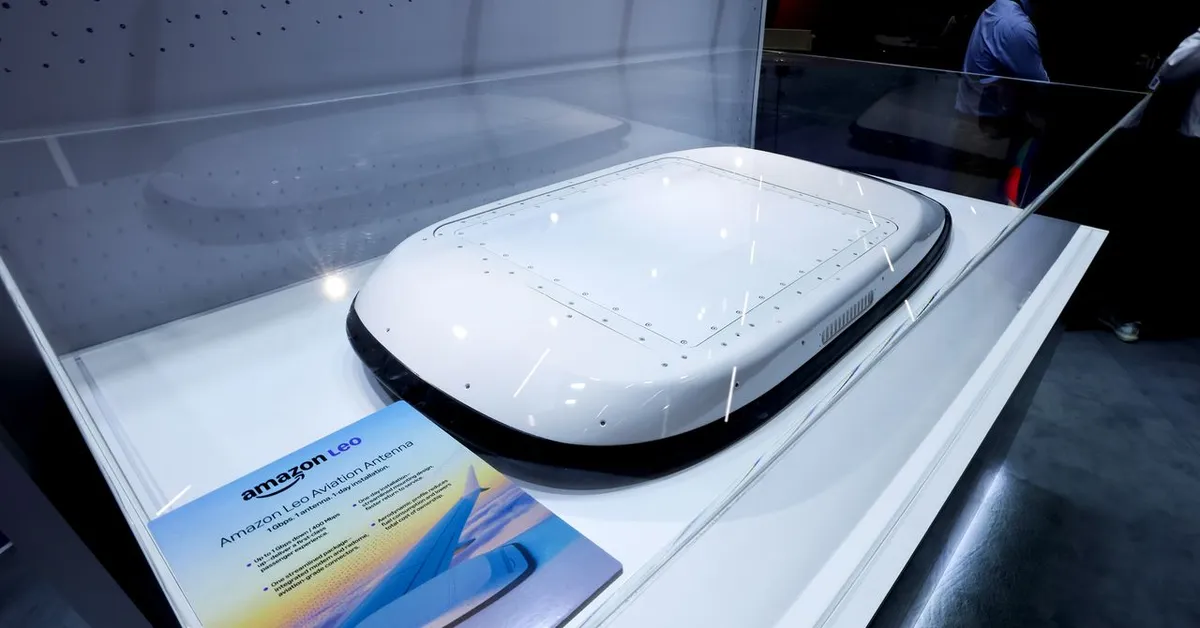
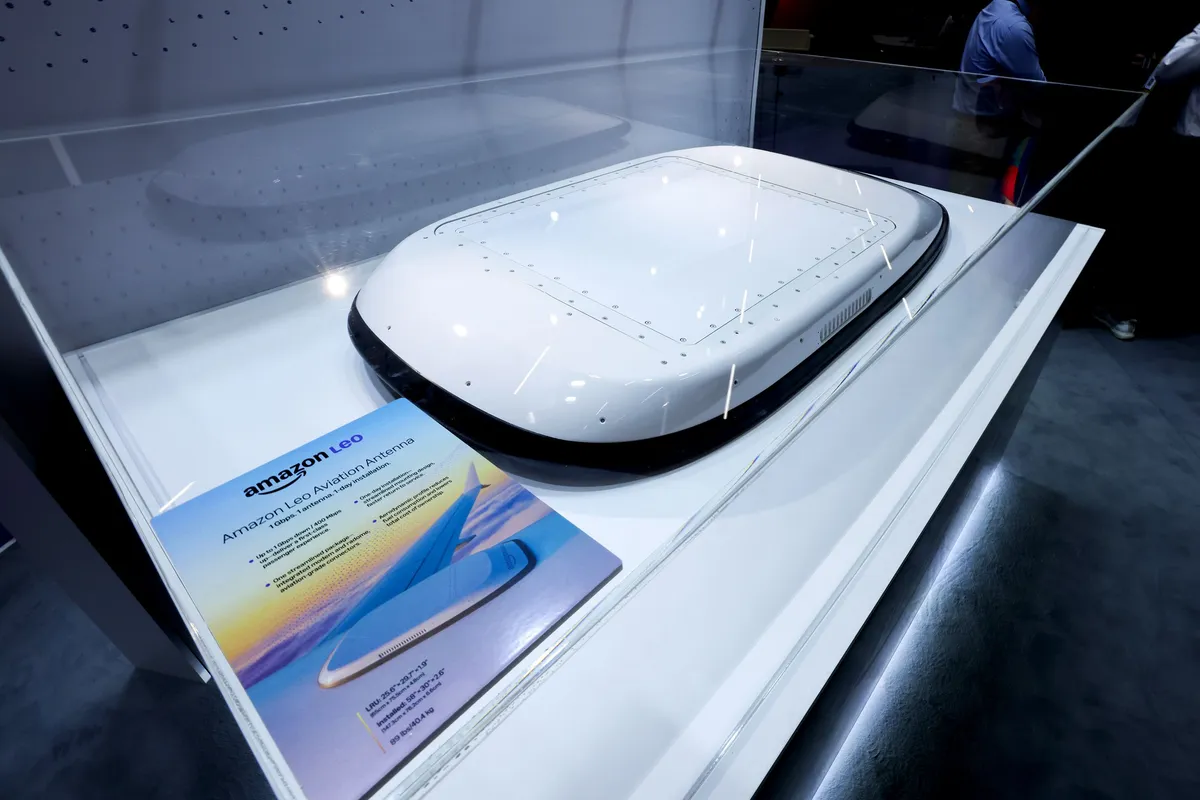
Amazon has been building out Project Kuiper, its ambitious plan to launch thousands of satellites and compete with Elon Musk's Starlink in the satellite internet market. Acquiring Globalstar gives Amazon a significant shortcut - existing satellites, licensed spectrum, and an established infrastructure that would take years to build from scratch.
Spectrum, in particular, is the real prize here. Radio frequency licenses are scarce and heavily regulated. Owning Globalstar means owning access to valuable chunks of that spectrum, which is essentially the raw material for wireless connectivity of all kinds.

What does this mean for iPhone users?
That's where things get interesting. Apple's deal with Globalstar is reportedly set to be affected by the acquisition, according to reporting from Wired. Amazon stepping in as Globalstar's new owner could mean renegotiated terms, a shift in how Apple sources satellite connectivity, or even competition in the emergency satellite services space. None of that is certain yet, but it's worth watching - especially as satellite-connected features become a bigger part of what smartphones can do.
The bigger picture
This deal is another sign that the race to own the sky is accelerating. Starlink already has millions of subscribers. Amazon is now making a serious play to compete. And as these networks grow, the downstream effects on consumer tech - from your phone to your home internet - are only going to become more noticeable.
We're entering an era where your connectivity won't depend entirely on cell towers anymore. The companies that own the satellites are going to have enormous influence over how that future takes shape. Amazon just bought itself a much bigger seat at that table.