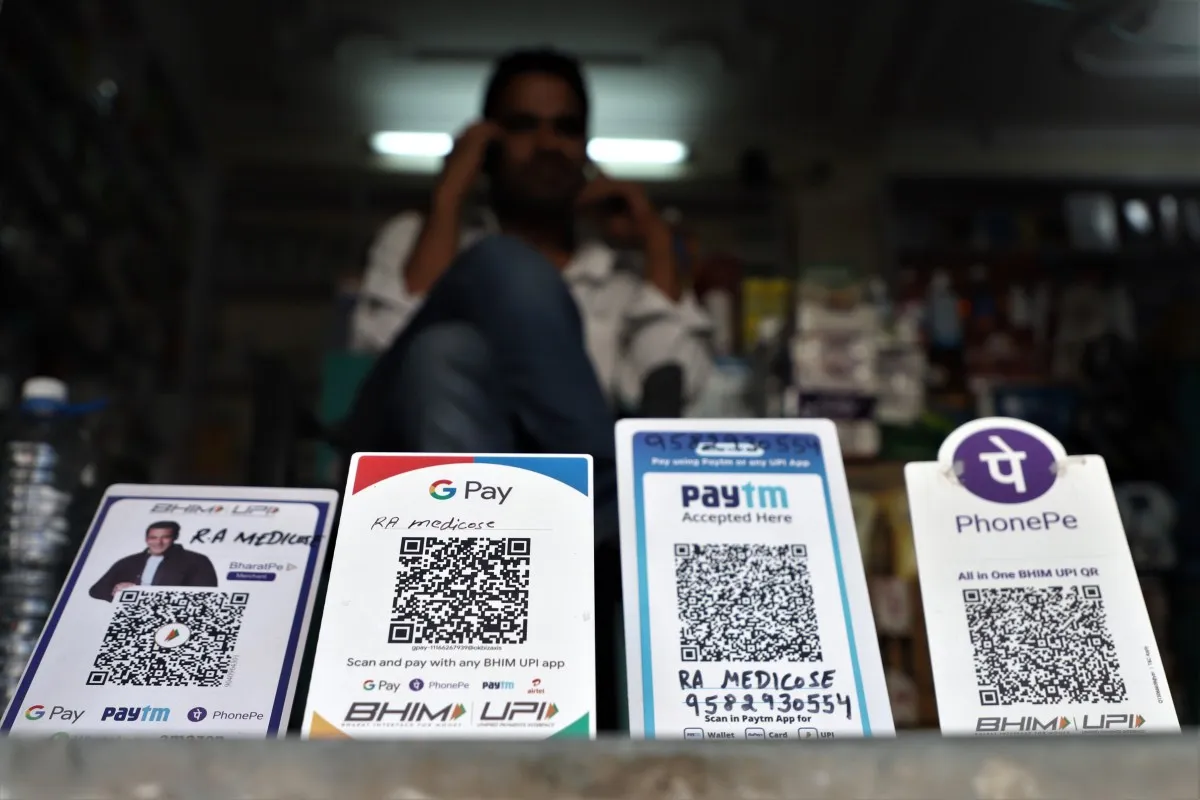
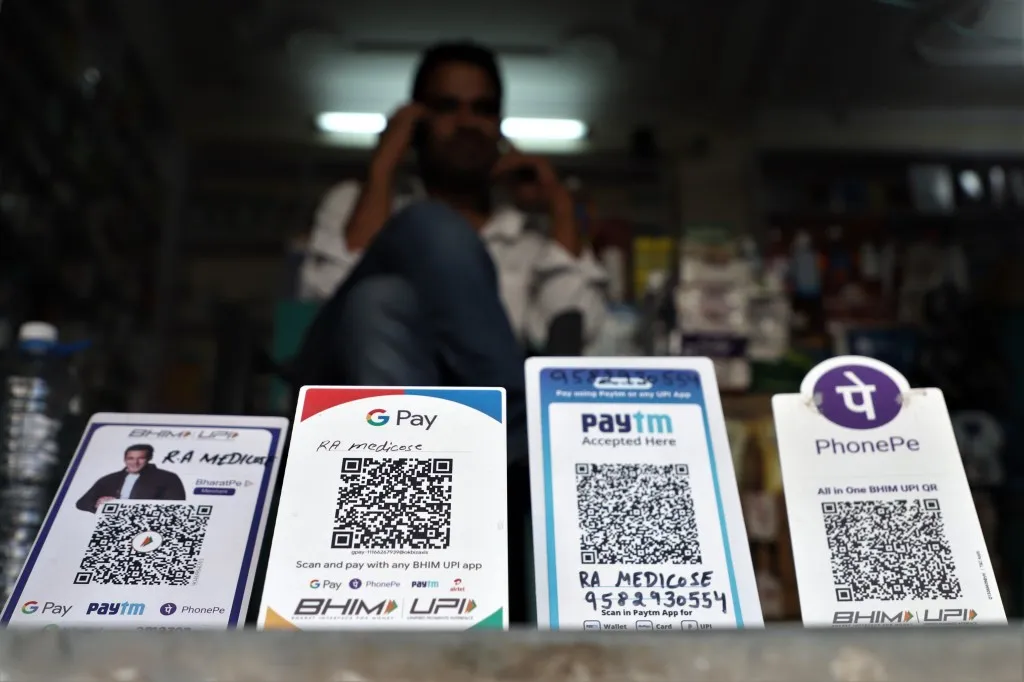
India's digital payments scene is booming - but two players are hogging almost all of it. PhonePe and Google Pay together account for roughly 80% of all transactions on the country's UPI network, the instant payment system that has become central to everyday life for hundreds of millions of Indians. Now, some very powerful rivals want regulators to step in and change that.
Why this is a big deal
According to reporting by TechCrunch, Amazon and Meta are among the companies preparing to meet with Indian regulators to lobby for restrictions on how dominant any single player can become in the UPI ecosystem. The argument is essentially a classic competition one: when two companies control 80% of a market, everyone else is left fighting over scraps, and consumers eventually lose out on innovation and choice.
UPI - short for Unified Payments Interface - is worth paying attention to even if you don't live in India. It processes billions of transactions a month, and its model has inspired payment reformers around the world. Getting a foothold there isn't just strategically important for India; it's a statement of global ambitions.
What the challengers want
The push from Amazon, Meta, and others is aimed at convincing regulators to impose market share caps or other structural limits on the top players. This kind of intervention isn't unprecedented - Indian regulators had previously discussed volume caps for UPI apps, though those proposals stalled. The renewed lobbying effort suggests smaller players feel the window for action is still open.
For Amazon, which operates Amazon Pay in India, the incentive is obvious. The company has invested heavily in its Indian operations and a fairer slice of the payments market would tie neatly into its broader e-commerce ecosystem. Meta, meanwhile, has been trying to get WhatsApp Pay off the ground in India for years - a market where WhatsApp has an enormous user base that could theoretically make it a payments giant overnight, if only it could scale past regulatory and competitive hurdles.
What it means for users
More competition in payments is generally good news for consumers. It tends to push companies to offer better features, lower fees, and stronger security. Whether regulators decide to act is another question entirely - but the fact that players the size of Amazon and Meta are pushing hard suggests this conversation isn't going away anytime soon.
India's payments market is one of the most watched in the world right now. How this shakes out could set a template for how other fast-growing digital economies handle platform dominance in fintech.