Imagine finishing football practice, sitting outside your high school, and reaching into your pocket for a snack - only to find yourself on your knees with police weapons drawn at you. That is exactly what happened to 17-year-old Taki Allen in Baltimore on October 20, 2025, according to a report by Fast Company.
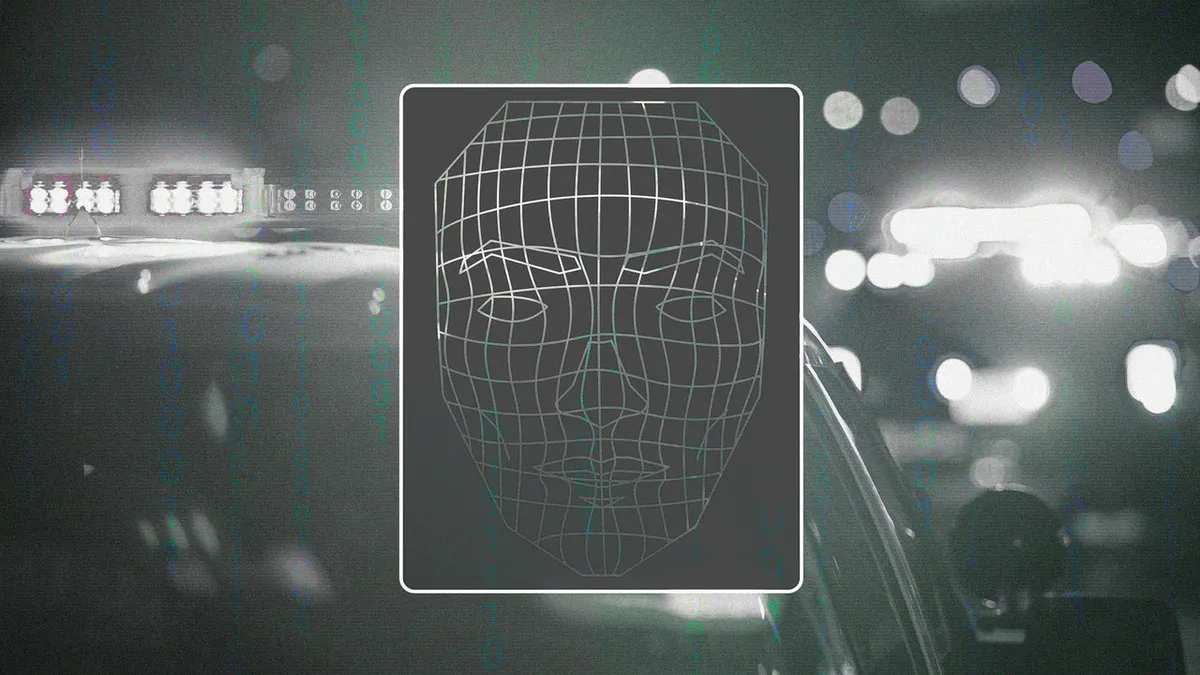
The culprit? An AI-enhanced surveillance camera that looked at a crumpled bag of Doritos in Allen's pocket and apparently decided it was a firearm. Police cruisers arrived within moments. Officers drew their weapons. A teenager was handcuffed and searched in front of his school.
They found chips. Cool Ranch or Classic, the report doesn't specify, but either way - chips.
Why this is not just a funny anecdote
It would be easy to laugh this off as a tech blunder. Silly AI, can't even tell snacks from weapons! But the real problem here is not just the false identification - it is everything that happened next. Human officers received an AI alert and responded with lethal-force readiness toward a child. The machine flagged, and the humans followed without enough skepticism in between.
That gap - between algorithmic confidence and human judgment - is where civil liberties go to die.
AI surveillance tools are being deployed in cities across the country with the promise of faster, smarter, more objective policing. But "objective" is doing a lot of heavy lifting in that sentence. These systems are trained on data that reflects existing biases, and they operate in real-world conditions that are messy, ambiguous, and full of Doritos bags.
The stakes could not be higher
False arrests are not just embarrassing bureaucratic hiccups. They carry real consequences - legal records, psychological trauma, and in the worst cases, wrongful convictions that can steal years from someone's life. When you add AI into the chain of decisions leading to an arrest, you also add a layer of unaccountable, hard-to-challenge authority. Try cross-examining an algorithm in court.
Taki Allen was lucky in the most grim, qualified sense of the word: he walked away. But the fact that "walking away after being wrongly treated as an armed suspect" counts as a lucky outcome should tell us everything about where AI-assisted policing currently sits on the spectrum from "useful tool" to "active danger."
The snack heard round the surveillance state
If there is one image that should haunt every city official signing contracts with AI surveillance vendors, it is a teenager on his knees with a bag of chips in his pocket.
We are moving fast on this technology. We are not moving carefully. And until those two things are in better balance, the Doritos incident is less of a cautionary tale and more of a preview.