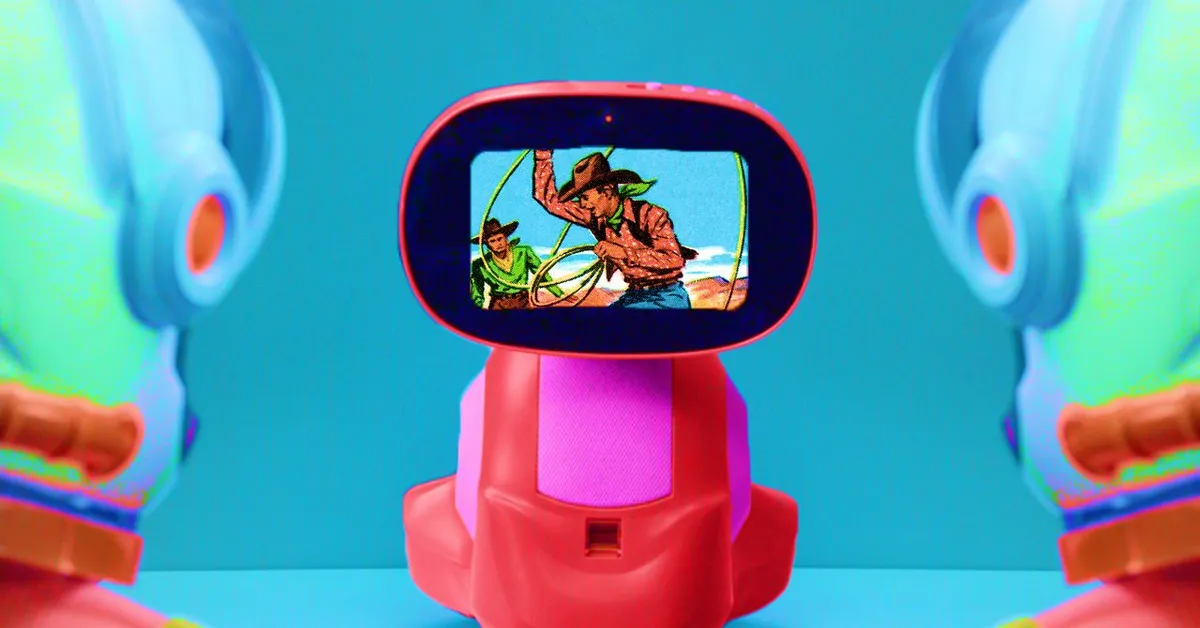
Picture a stuffed animal that talks back, remembers your child's favorite stories, and adapts its personality over time. Sounds magical, right? Depending on who you ask, it's either the future of play or a privacy nightmare wrapped in soft fur - and that tension is exactly why AI kids' toys have become one of the hottest flashpoints in both tech and parenting circles.
Not your average toy box
According to reporting by Wired, a new wave of AI-powered, internet-connected companions is quietly making its way into children's bedrooms. These aren't simple voice-activated gadgets. They're designed to hold conversations, generate personalized stories, and build ongoing relationships with young users. The experience can feel genuinely impressive - and that's precisely what makes it complicated.
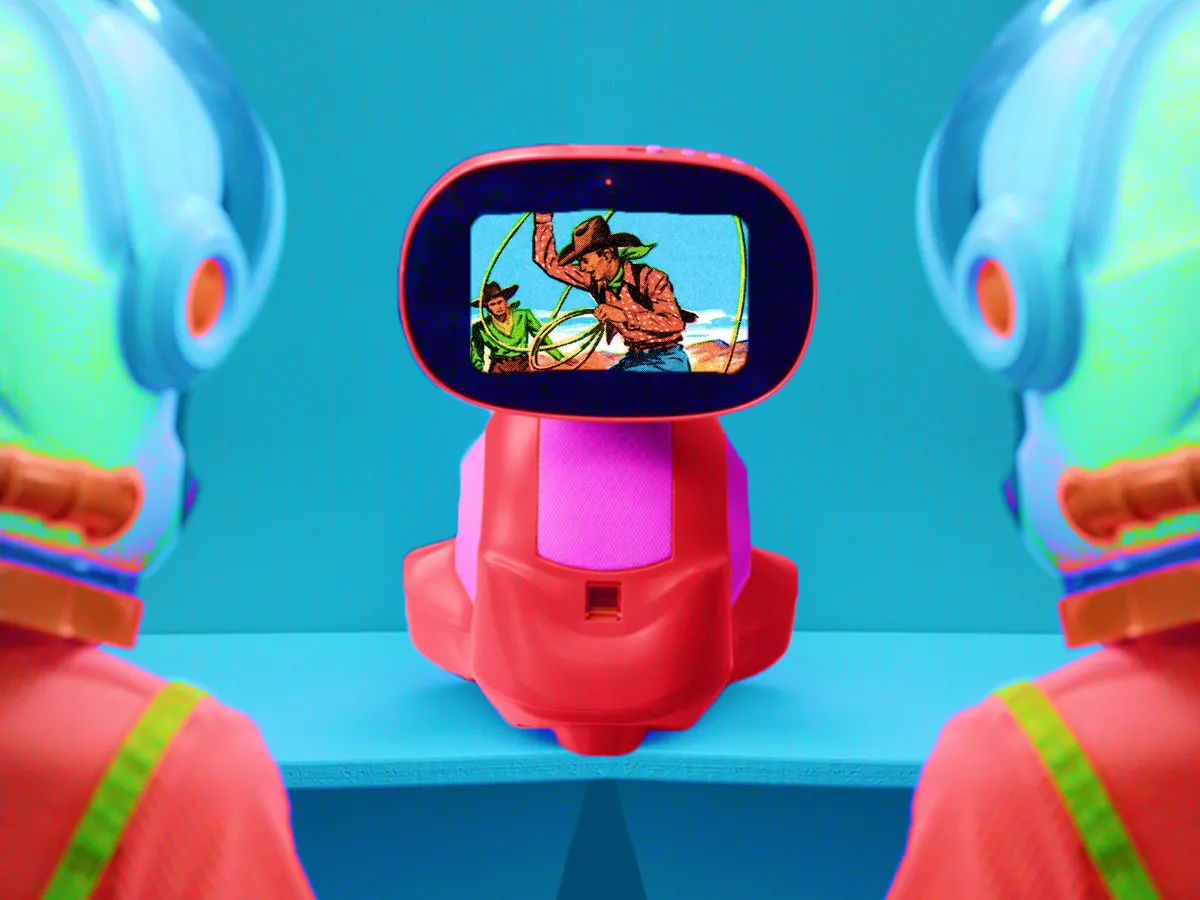
For kids, the appeal is obvious. A toy that actually listens and responds feels alive in a way that no amount of imagination could fully manufacture on its own. For parents, the questions pile up fast: What data is being collected? Who has access to it? And what happens to a child's development when their most attentive conversational partner is an algorithm?
Lawmakers are paying attention
The regulatory world is starting to catch up. As Wired notes, some lawmakers are already pushing to have certain AI toys banned outright, citing concerns around data privacy, emotional manipulation, and the lack of meaningful oversight in a market that's growing faster than the rules designed to govern it. It's a bit of a wild west situation - innovative products launching into a space where consumer protections are still being written.
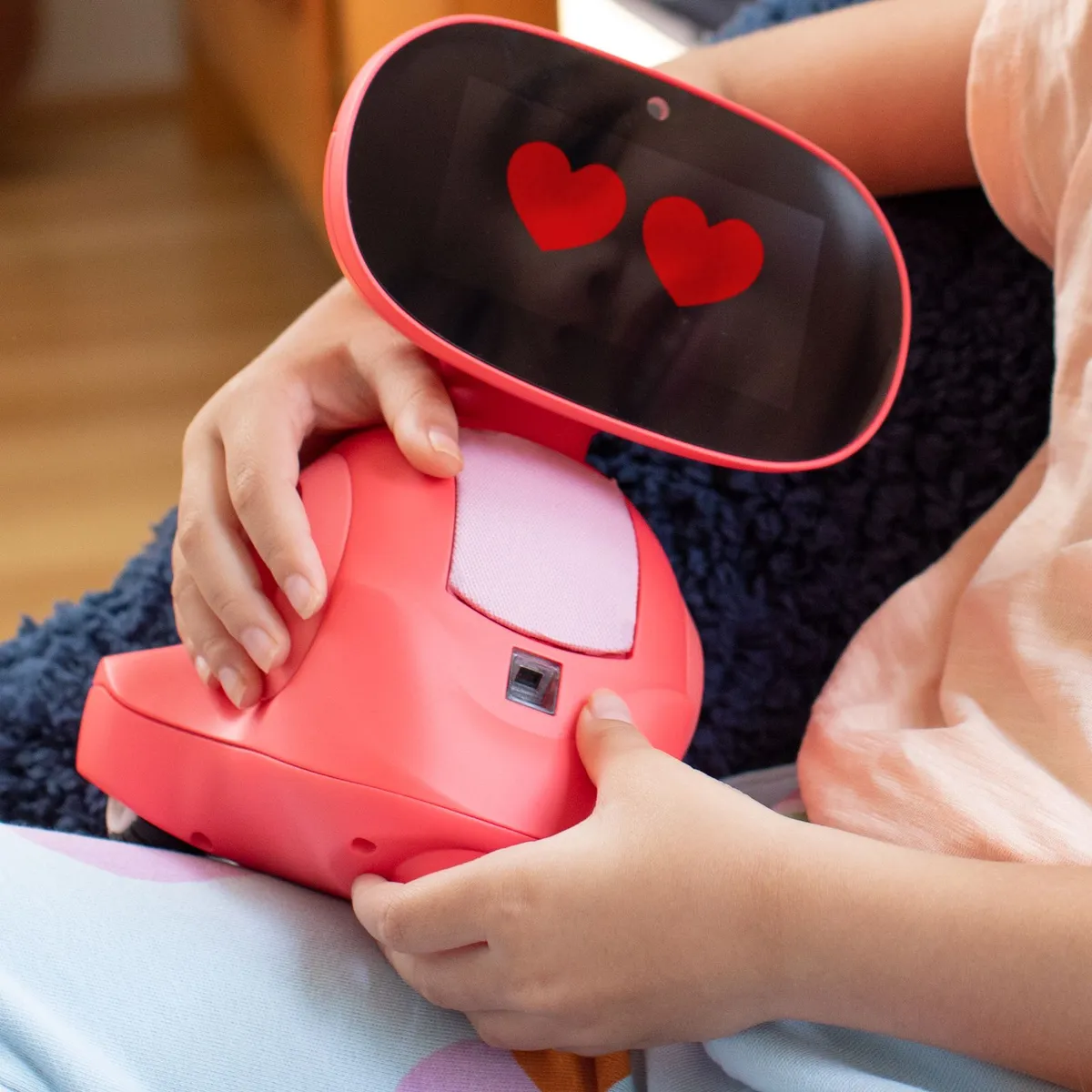
This isn't the first time connected toys have raised red flags. Parents may remember earlier controversies around internet-enabled dolls that were found to have serious security vulnerabilities. AI companions represent a significant leap forward in capability, which means the stakes are higher too.
The bigger question about play
Beyond privacy, there's a softer but equally important conversation happening about what these toys do to make-believe itself. Unstructured imaginative play - the kind where kids invent the rules, the characters, and the world - is considered a cornerstone of healthy development. When a toy is smart enough to lead the narrative, does the child follow rather than create?
Nobody has definitive answers yet, and that's kind of the point. AI toys are arriving faster than the research needed to evaluate them. For parents navigating the toy aisle right now, that uncertainty is worth sitting with before hitting add to cart.
The technology is genuinely exciting. The caution is genuinely warranted. Both things can be true at once - which is probably the most honest way to talk about most things happening at the intersection of AI and everyday life right now.