Congratulations, humanity. We built machines smart enough to write your emails and generate your anime avatars, and dumb enough to require so much electricity that we're now breaking the power grid. Progress!
PJM Interconnection - the organization that manages the largest power grid in the United States, covering a chunk of the country that happens to host some of the densest data center real estate on the entire planet - is in trouble. According to reporting by TechChrunch, PJM wants a significant overhaul of how it operates. The problem? Not a lot of people think it can actually pull it off.
So what exactly is PJM?
If you've never heard of PJM Interconnection, that's fine, that's kind of the point. It quietly hums along in the background keeping the lights on for millions of Americans across 13 states and Washington D.C. It's basically the boring-but-essential infrastructure that nobody thinks about until it starts struggling - which, spoiler, it is now.
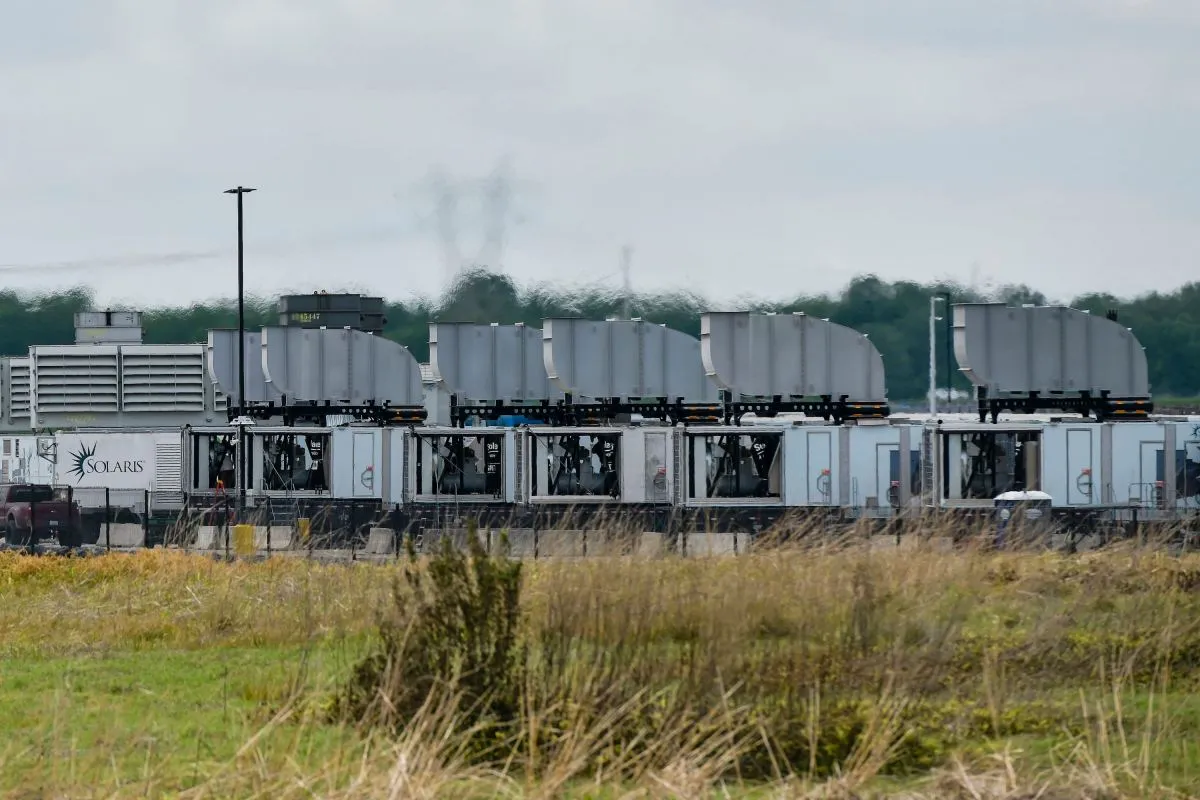
The culprit is the AI data center boom. These facilities don't just use a lot of electricity - they use a stupid amount of electricity, and they want it reliably, constantly, and ideally yesterday. Cluster enough of them together in places like Northern Virginia, and you've got a recipe for grid strain that the system was simply never designed to handle.
A self-overhaul nobody asked for (and many don't trust)
PJM's answer is to essentially redesign how it manages itself. Which sounds great in theory. In practice, major grid overhauls are notoriously slow, politically messy, and involve enough stakeholders with competing interests to make a congressional hearing look streamlined.
The skepticism is understandable. Restructuring a grid operator that keeps millions of homes and businesses powered - while simultaneously managing a tidal wave of new energy demand from tech companies building AI infrastructure as fast as humanly possible - is not exactly a casual weekend project.
Why this matters way beyond tech Twitter
Here's the thing that often gets lost in the AI hype cycle: the electricity demands of these systems are extremely real and extremely physical. Every chatbot query, every image generation, every model training run pulls juice from somewhere. And right now, that somewhere is increasingly strained.
If PJM can't get its act together fast enough, the consequences aren't abstract. We're talking potential reliability issues for ordinary people who just want their air conditioning to work in July - not because they care about large language models, but because they live near the infrastructure that powers them.
The AI industry has had a pretty good run of treating infrastructure as someone else's problem. The grid is now very politely suggesting that era might be ending.