You know how some people plug in a space heater and immediately feel guilty about their electricity bill? Elon Musk's xAI apparently does not relate to that experience. At all.
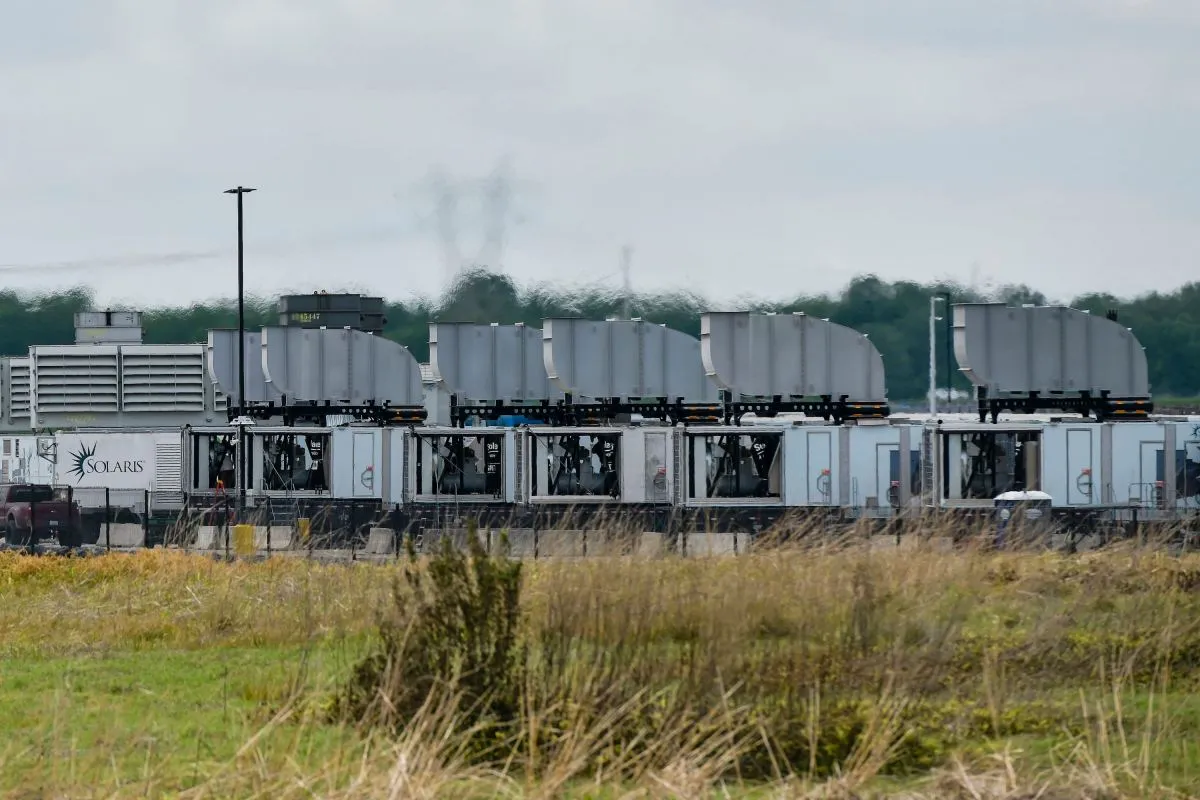
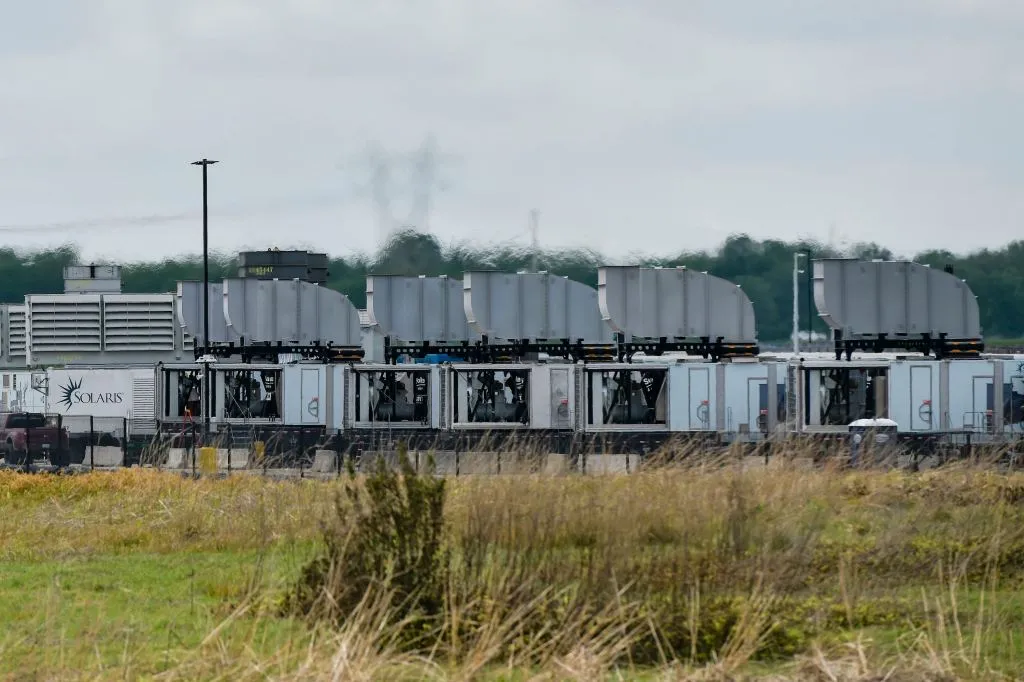
According to reporting by TechCrunch, xAI's Colossus 2 data center in Mississippi is running nearly 50 gas turbines to power its operations - and the whole setup has attracted a lawsuit over how the company is using what are officially classified as "mobile" gas turbines as if they were permanent power plants.
So what's the actual problem here?
The word "mobile" is doing a lot of heavy lifting in this story. Mobile equipment typically gets a regulatory pass because, in theory, you're supposed to move it around. When you park 50 of them in one place and run them like a fixed power facility, regulators and plaintiffs tend to raise an eyebrow - or in this case, file legal paperwork.
The lawsuit centers on xAI allegedly sidestepping the permitting requirements that would normally apply to a stationary power plant of this scale. If true, it means the company may have avoided environmental review processes that exist specifically to assess the impact of, say, running a small fleet of gas turbines in someone's backyard region.

Why this matters beyond the courtroom drama
Here's the thing - AI is genuinely, voraciously power-hungry. The compute demands of training and running large language models are staggering, and the industry has been scrambling to find enough electricity to keep up. That's a real and legitimate challenge.
But "we need a lot of power" is not typically accepted as a legal defense for skipping environmental permitting. The communities near these facilities tend to care quite a bit about what's being burned in their air, and the regulatory frameworks around industrial emissions exist for exactly that reason.
Colossus 2 is supposed to be one of the most powerful AI supercomputer clusters on the planet, so the scale of its energy appetite is genuinely enormous. Whether xAI handled the power sourcing responsibly - or creatively classified its way around the rules - is now a question for the courts.
The bigger picture
This isn't just a story about one data center. It's a preview of the collision between the AI industry's breakneck expansion and the regulatory systems that weren't built to keep pace with it. Someone is going to have to figure out how to power the AI revolution without turning "mobile" into a magic word that makes environmental oversight disappear.
The lawsuit is ongoing. The turbines, reportedly, are still running.