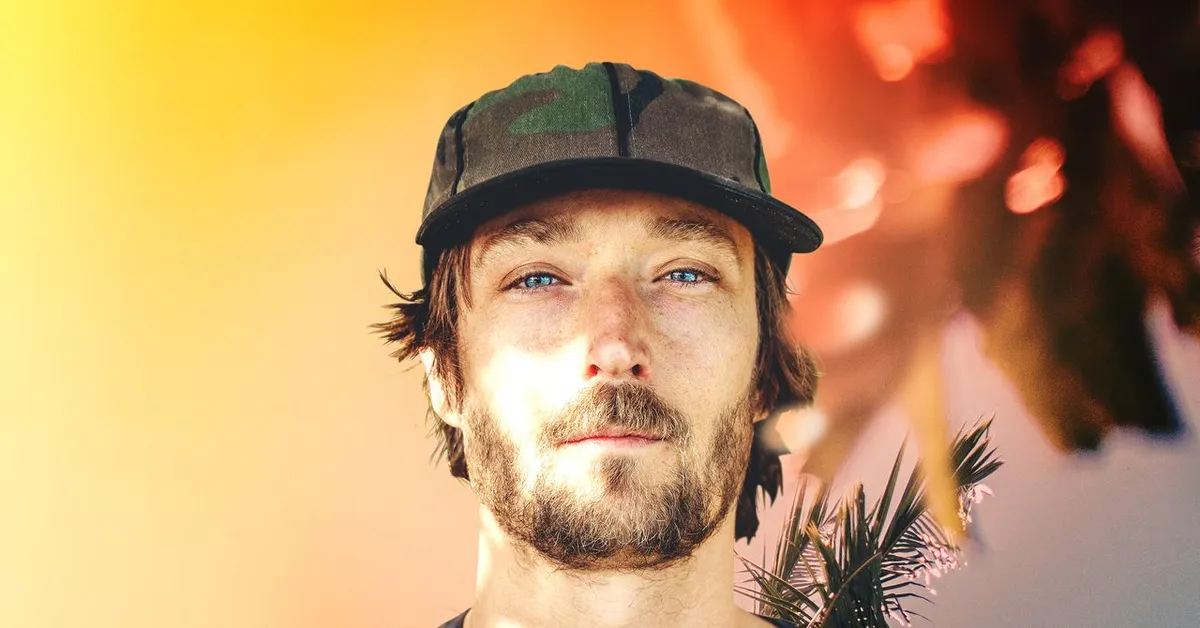
Every musician dreams of a second wind - a song finding new life years after its release and climbing the charts all over again. For reggae band Stick Figure, that dream arrived when a six-year-old track suddenly shot up the charts. The catch? The viral momentum wasn't entirely their own.
As reported by Wired, the surge in streams was fueled by unauthorized AI-generated remixes of the band's music - versions they never approved, never profited from, and never even knew were circulating. What should have been a pure win turned into something far more complicated.
The problem with 'slop remixes'
AI remixing tools have become increasingly accessible, making it trivially easy for anyone to take an existing track and generate altered versions - tweaked tempos, shifted keys, layered effects. These remixes often live on the same streaming platforms as the originals, pulling listeners and streams toward versions the artist had no hand in creating.
For Stick Figure, this meant their authentic music was being overshadowed and muddied by a flood of AI-generated variations. The band found themselves in the frustrating position of fighting for control of their own sound - not from a major label or a traditional bootlegger, but from an essentially faceless wave of automated content.

Why this matters beyond one band
It's tempting to frame this as a niche problem for independent artists, but the implications run much wider. Streaming algorithms don't inherently distinguish between an artist's original work and an AI-spun imitation. If listeners are funneled toward unauthorized versions, royalties are misdirected, artistic intent gets diluted, and the relationship between a fan and an artist becomes quietly corrupted - often without either party realising it.
There's also the question of identity. Music is deeply personal, and a band like Stick Figure has spent years building a specific sound and fanbase. Having that sound replicated and redistributed without consent isn't just a legal issue - it's an erosion of something genuinely human.

No clean answers yet
The music industry is still scrambling to catch up with AI-generated content. Platforms have policies, but enforcement is inconsistent and the sheer volume of uploaded content makes monitoring nearly impossible. For artists, the options are limited and often exhausting.
Stick Figure's situation is a signal, not an outlier. As AI tools become cheaper and easier to use, more artists - big and small - will find their catalogs caught in this same tangle. The viral dream and the AI nightmare, it turns out, can arrive at exactly the same time.