America has been independent for 250 years, and it has spent roughly all of that time arguing about what its buildings should look like. Which, honestly, feels very on brand.
According to a deep dive by Architectural Digest, the quest for a distinctly American architectural identity is less a straight line and more a chaotic mood board - colonial borrowings, Indigenous traditions, prairie dreams, and desert vernacular all throwing elbows for the title of Most American Building Style.
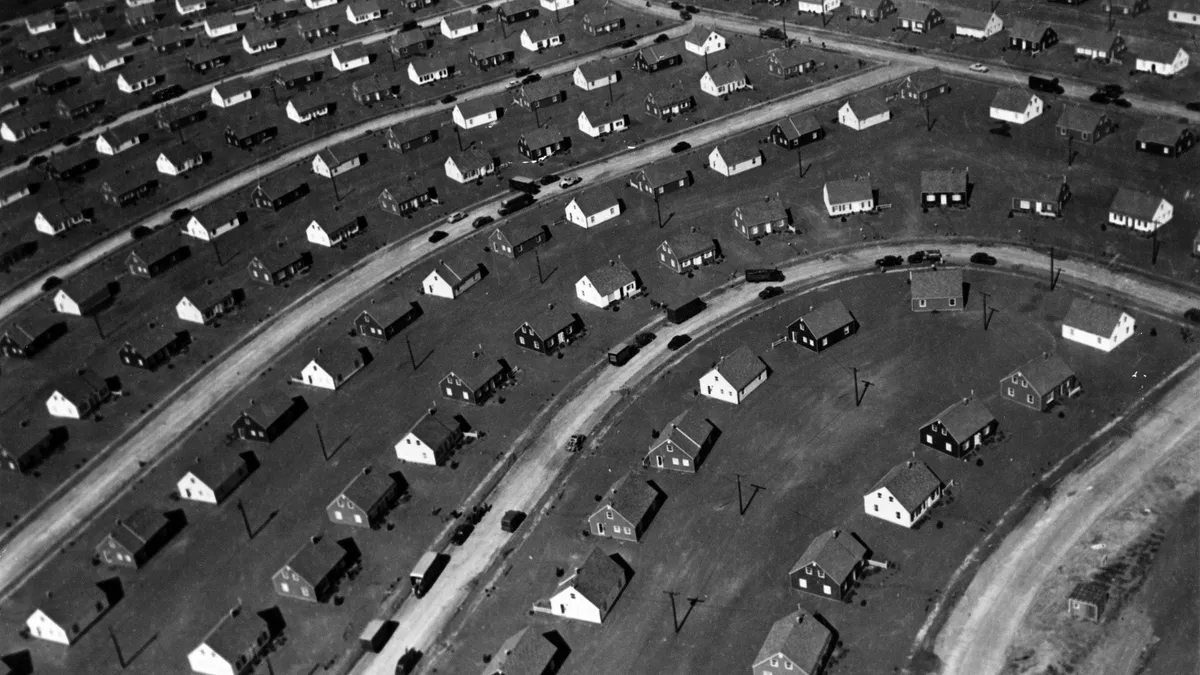
It started with borrowing (a lot)
Early American architecture was essentially Europe with a hat on. The colonists brought their Georgian symmetry and their neoclassical columns, slapped them onto the Eastern Seaboard, and called it a day. The problem? None of it was invented here. It was aesthetic immigration, which is fine, but it does make "American style" a complicated claim.
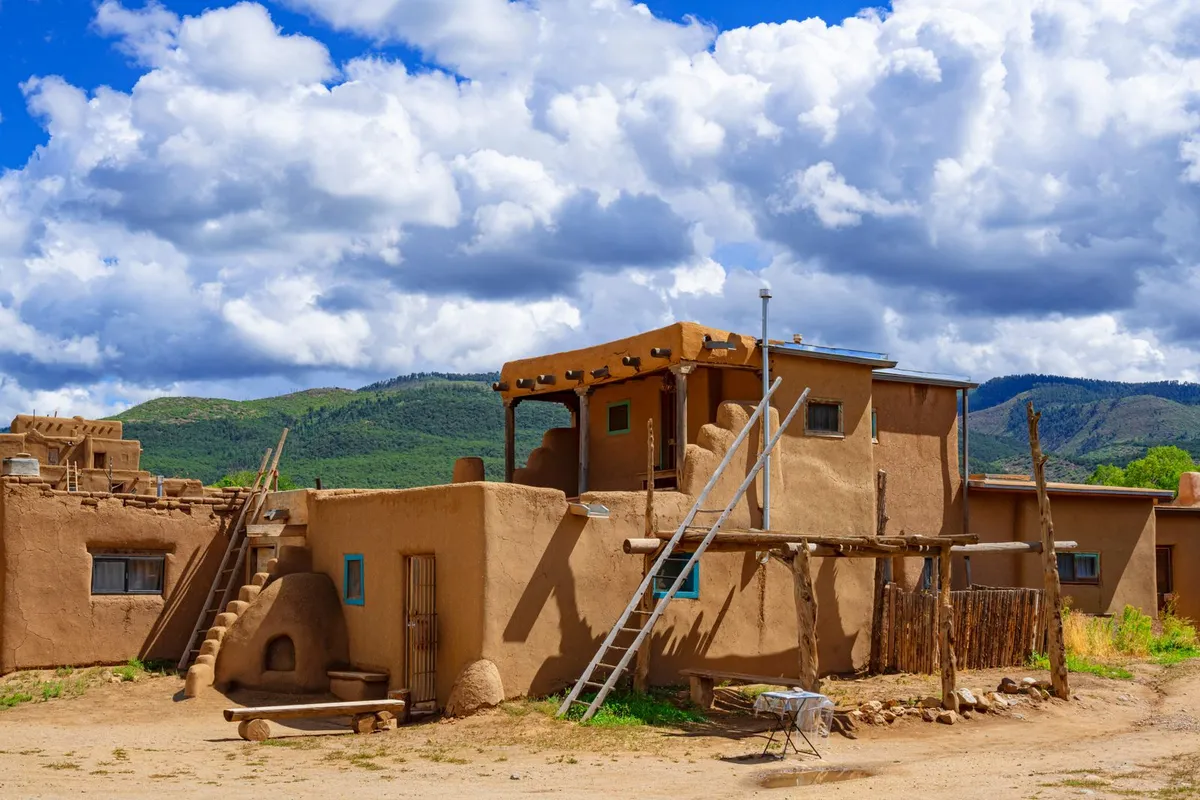
Meanwhile, actual homegrown American architecture had been thriving for centuries in the Southwest, where adobe construction - thick earthen walls, flat roofs, buildings that breathe with the desert climate - was being perfected by Indigenous peoples long before anyone in Philadelphia put pen to parchment.
Then Wright happened
Frank Lloyd Wright arguably did more to define a visual American identity than anyone with a drafting table. His prairie-style homes, with their low horizontal profiles and deep overhanging eaves, were a deliberate rejection of European pomp. He wanted buildings that grew out of the American landscape rather than being dropped onto it like a transplant. Bold idea. Mostly worked.
The styles that stuck
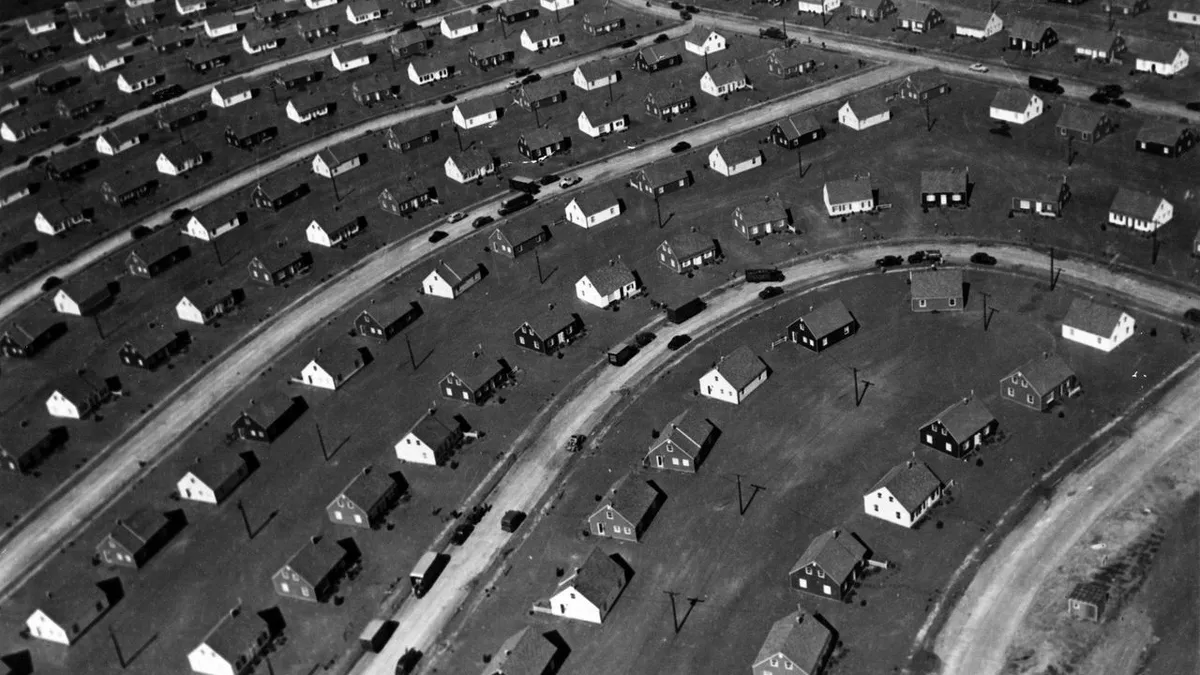
What Architectural Digest makes clear is that "American architecture" isn't one thing - it's a greatest hits collection shaped by geography, migration, and some truly excellent stubbornness. Craftsman bungalows from California. Greek Revival courthouses in the Deep South. Mid-century modern ranches in the suburbs. Art Deco skyscrapers reaching for a skyline nobody in 1776 could have imagined.
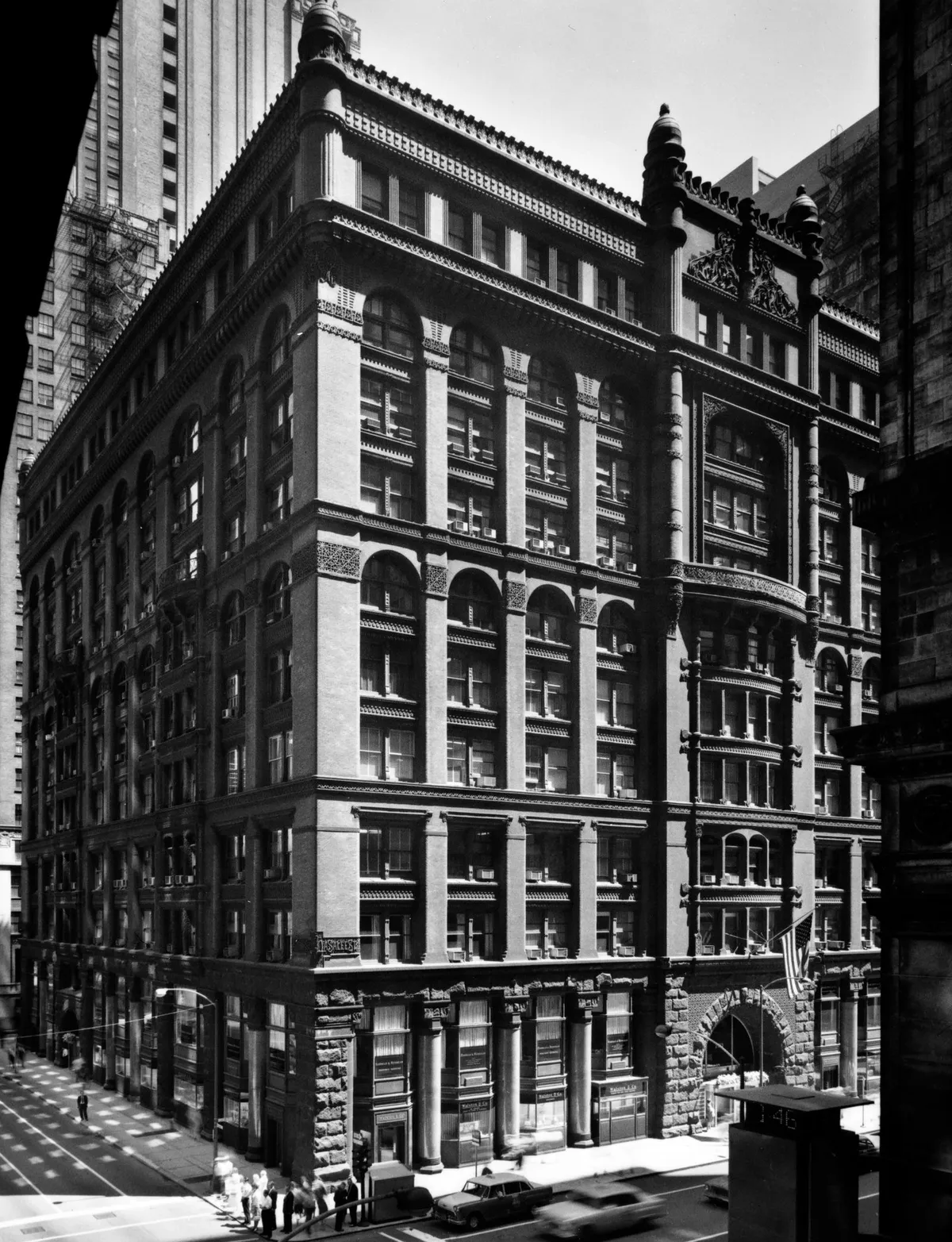
Each style tells you something about what Americans wanted to believe about themselves at a particular moment - simple and honest, or grand and ambitious, or efficient and optimistic about the future.
Why this matters right now
With the 250th anniversary of American independence on the horizon, the question of what the country looks like - literally - feels surprisingly loaded. Architecture is identity made physical. It's the thing you can't scroll past or mute.
And maybe the most American thing of all is that there's still no single answer. It's a country built from contradictions, and so are its buildings. From adobe to skyscrapers, that argument is still being constructed - one blueprint at a time.