If you've ever stumbled across a suspiciously convincing video of a celebrity saying something they definitely didn't say, you already know deepfakes are a real and growing problem. Now YouTube is doing something about it - at least for the people most likely to be targeted.
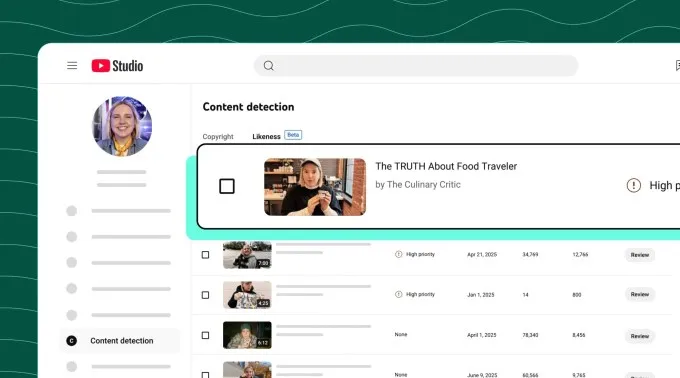
According to TechCrunch, YouTube is expanding its AI likeness detection technology to celebrities, giving talent and their representatives a streamlined way to find and request the removal of deepfake content across the platform. It's a meaningful step forward in what has been a frustratingly slow industry response to synthetic media.
Why this actually matters
Deepfakes aren't just a celebrity problem, but celebrities are disproportionately targeted, and the consequences can be serious - from reputational damage to financial scams using someone's face and voice without consent. Until now, the process of identifying and flagging this content has largely fallen on the individuals themselves, which is both time-consuming and emotionally exhausting.
By automating the detection side of things, YouTube is shifting at least some of that burden away from the people being harmed. Talent teams and management reps can use the tool to proactively search for unauthorized likeness content rather than waiting for something to go viral before reacting.
Building on what already exists
This expansion appears to build on detection technology YouTube has already been developing, now broadening its scope to cover celebrity talent more widely across the entertainment industry. The move signals that platforms are starting to treat AI-generated likeness content as a systematic issue that requires systematic solutions - not just a case-by-case content moderation headache.
It also comes at a moment when public awareness of deepfakes is genuinely high. More people can recognize them, more people are disturbed by them, and there's growing pressure on platforms to act with more urgency.
The bigger picture
YouTube rolling out tools like this is encouraging, but it's worth keeping expectations realistic. Detection technology is always playing catch-up with generation technology, and bad actors adapt quickly. What this does do is raise the floor - making it harder for harmful deepfake content to simply sit on the platform unnoticed.
For now, it's a win for the celebrities and public figures who've had their likenesses exploited without consent. And ideally, it's a signal of where broader platform policy is heading for the rest of us too.