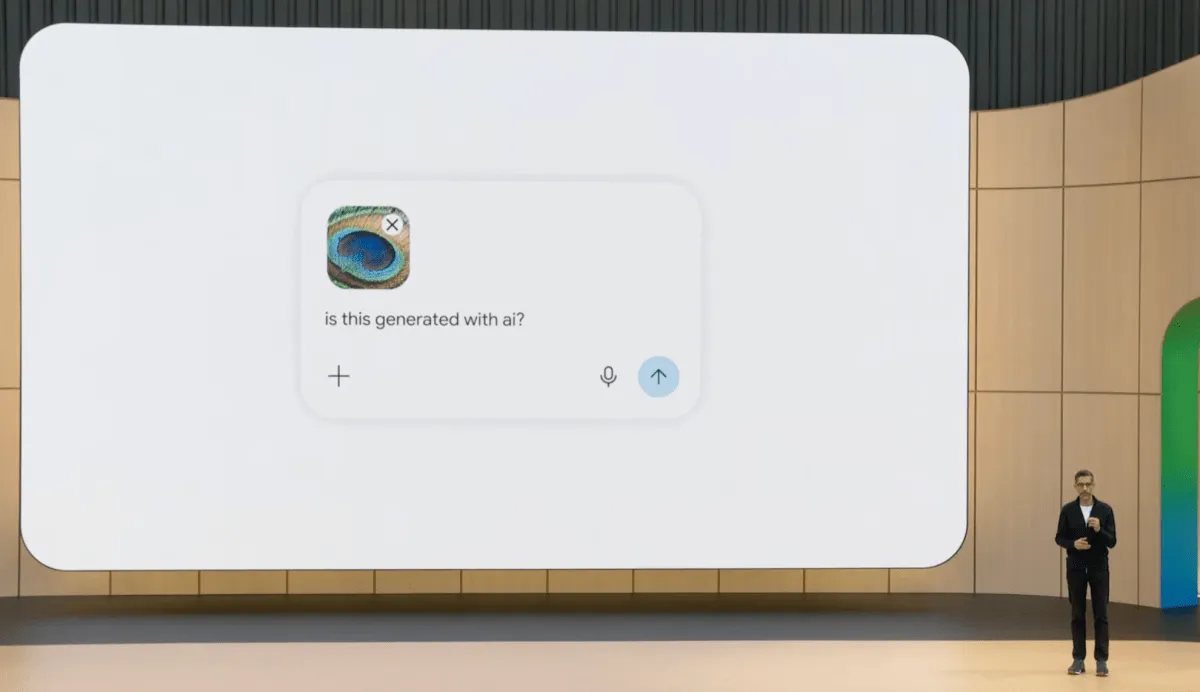
We're at a point where telling a real photo from an AI-generated one can feel nearly impossible. OpenAI knows this, and according to TechCrunch, the company is taking two concrete steps to make AI-generated images easier to identify.
What's actually changing
First, OpenAI is joining the C2PA standard - an open framework that embeds metadata directly into image files, essentially giving each image a kind of digital certificate of origin. Think of it like a nutrition label, but for photos. If an image was generated by one of OpenAI's models, that information gets baked in so compatible tools and platforms can flag it.
Second, OpenAI is adding Google's SynthID technology to its products. SynthID works differently - it uses an invisible watermark embedded within the image itself, rather than relying solely on metadata that can be stripped away. That combination is significant, because metadata alone has a well-known weakness: it can be removed. Having a watermark built into the image's pixels offers a more resilient layer of verification.
Why this actually matters
It's easy to dismiss AI watermarking news as a dry, technical story. But the real-world implications are pretty significant for anyone who consumes media - which is basically all of us.
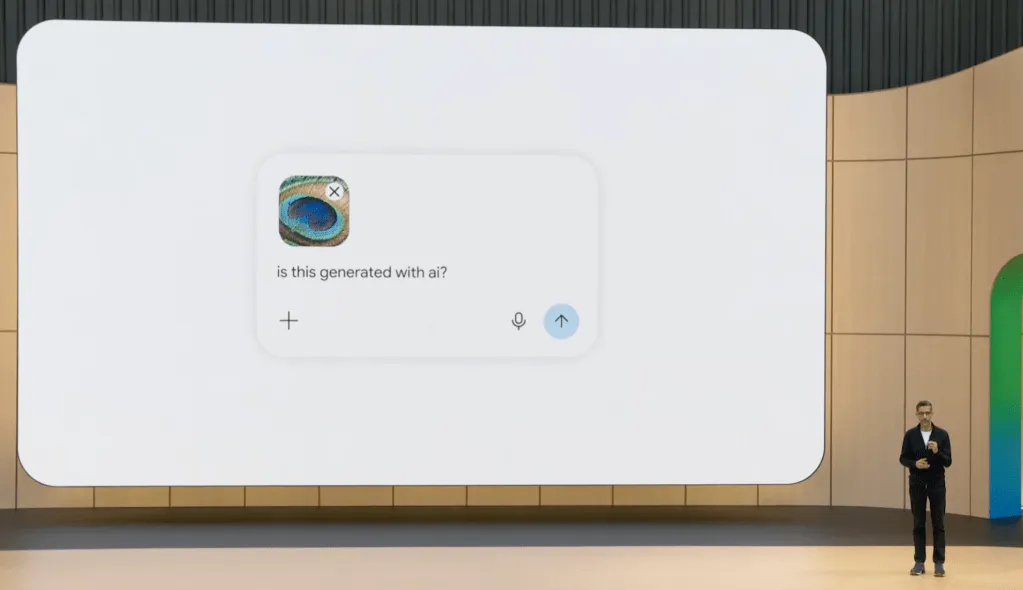
Misinformation driven by convincing AI imagery has already caused real confusion around major news events and public figures. Knowing whether an image is AI-generated isn't just a nice-to-have feature for tech enthusiasts - it's becoming a basic requirement for navigating the internet with any confidence.
The C2PA standard is particularly promising because it's open and collaborative, meaning it can be adopted across different platforms and tools rather than existing as a siloed solution that only works inside one company's ecosystem. When more players sign on, the standard becomes more meaningful.
The honest caveat
No system is foolproof. Watermarks can theoretically be circumvented, and metadata is only as reliable as the platforms that choose to preserve it. But building these signals in from the start is a much smarter approach than trying to retrofit detection after the fact.
The move also signals something broader: the expectation that AI companies should be accountable for what their tools produce is gaining real momentum. Whether driven by regulation, public pressure, or genuine ethical commitment - probably some mix of all three - transparency around AI-generated content is becoming a standard part of doing business.
For the rest of us, the practical takeaway is worth watching: as these standards become more widely adopted, the apps and browsers we use every day may soon start surfacing this information automatically. That's a future worth paying attention to.