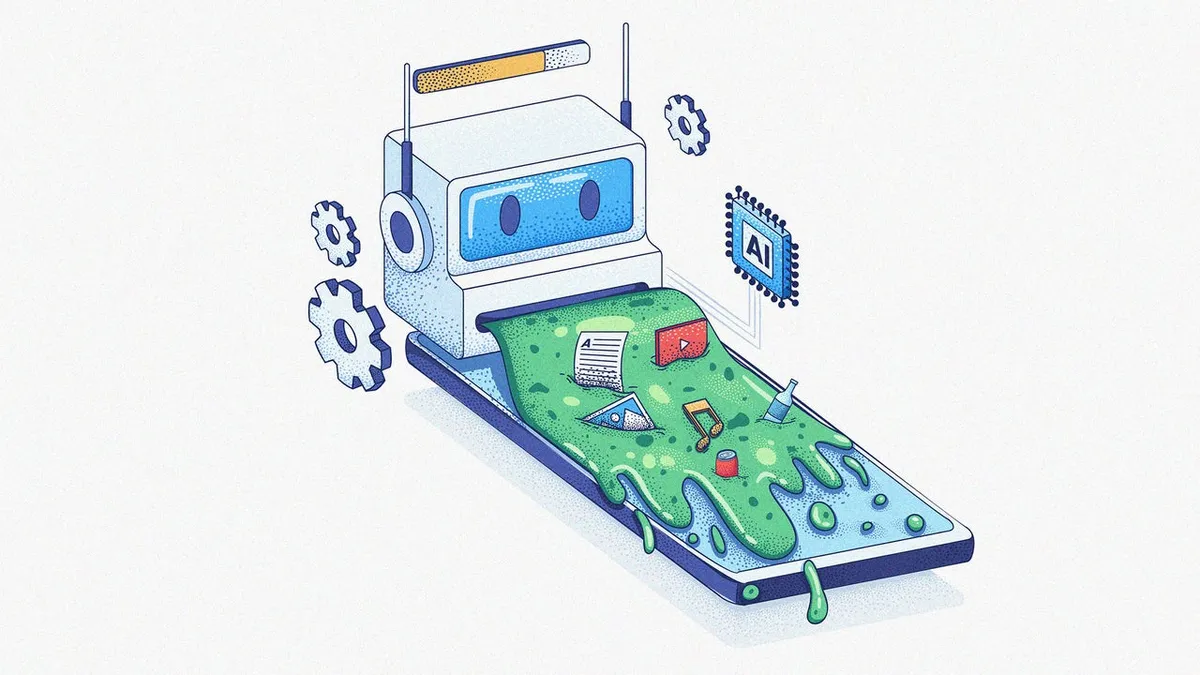
Remember the GPU shortage of 2021? The scalpers? The sheer, unhinged joy of paying $900 for a graphics card that should have cost $350? Well, good news: we're doing it again, except this time the culprit wears a fancier hat. According to Wired, the AI-driven demand for semiconductors is sending consumer electronics prices soaring - and the climb is far from over.
So what's actually happening here?
The short version: AI infrastructure is absolutely ravenous for chips. Data centers training large language models and powering cloud services are hoovering up semiconductor supply like a golden retriever near an unattended charcuterie board. That leaves the regular consumer electronics pipeline - phones, laptops, gaming consoles - fighting over scraps.
The result? Price tags that make you do a double-take, then a triple-take, then quietly close the browser tab and go touch grass.
Why this one hits different
Past shortages were largely supply-chain chaos - pandemic disruptions, factory shutdowns, a shipping container stuck sideways in a canal (never forget). This time the pressure is structural. The AI industry isn't going away, and its appetite for cutting-edge silicon isn't shrinking. We're not waiting for factories to reopen. We're competing with an entirely new category of demand that has essentially unlimited funding behind it.

Wired describes this as the "knockout round" of price increases - suggesting that what we've seen so far is the warm-up act, not the main event. Buckle up.
What does this mean for you, a person who just wants a new phone?
A few things worth knowing before you open your banking app in despair:
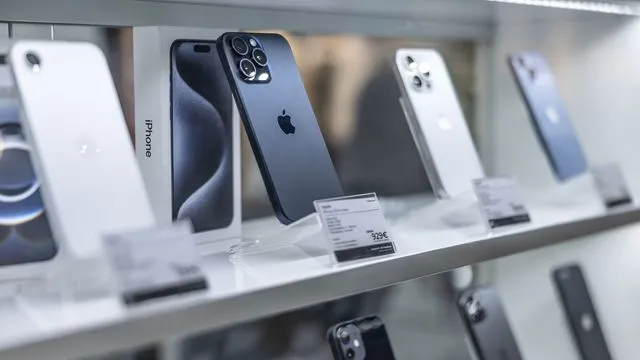
- Mid-range devices are getting squeezed hardest, as manufacturers prioritize premium margins.
- Console gaming hardware remains particularly vulnerable, with tight supply meeting high demand.
- Laptops with the latest AI-optimized chips will carry serious premiums - and manufacturers are absolutely not sorry about that.
The frustrating irony is that AI is being sold to consumers as a feature inside their devices - your phone now "thinks," your laptop now "assists" - while simultaneously being the reason those same devices cost significantly more. You're essentially paying extra for the privilege of being marketed to about artificial intelligence.
The takeaway
If your current gadget still works, this is genuinely a good time to practice the ancient art of not upgrading. And if you absolutely must buy something new, do it sooner rather than later. Because if Wired's framing is right, we haven't seen the ceiling yet - just the stairs leading up to it.