
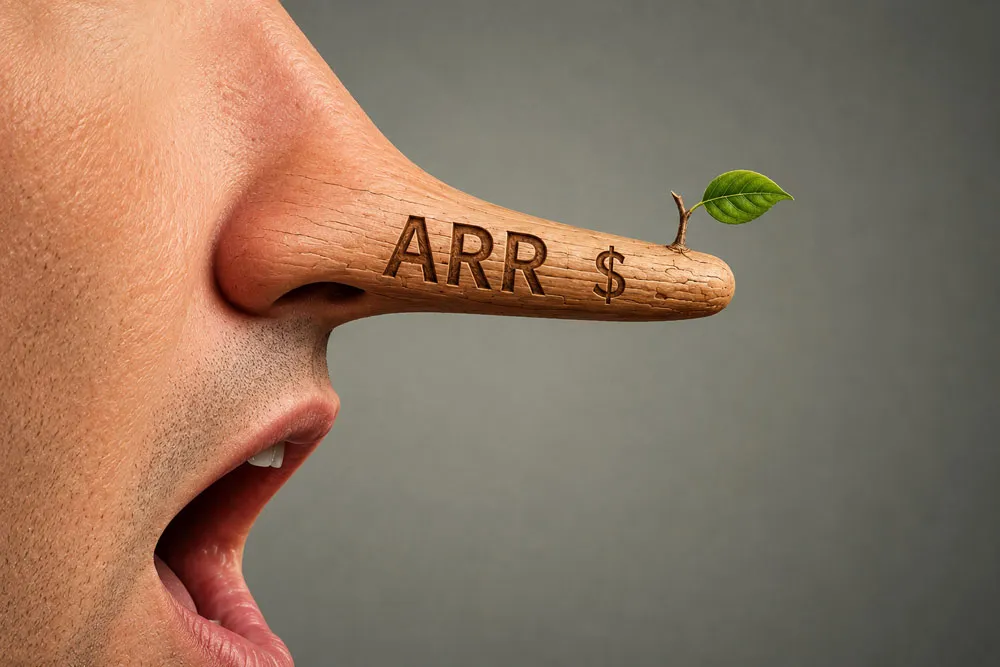
If you've ever wondered how an AI startup with three engineers, a demo video, and a vibe can claim to be on a rocket ship to $100M in revenue, buckle up. Because according to a TechCrunch investigation, the secret ingredient is a very flexible relationship with what the word 'revenue' actually means.
ARR: annual recurring revenue, or 'approximately real revenue'?
ARR - annual recurring revenue - is supposed to be a clean, reliable metric. You take the money customers are paying you on a recurring basis, annualize it, and boom, you've got a number that tells investors how healthy your business is. Simple, honest, boring.
Except some AI startups have been quietly stretching that definition like it's taffy at a county fair. We're talking about practices like counting pilot programs as full contracts, annualizing one-off payments, or including revenue that hasn't technically... happened yet. And here's the kicker: their VC backers know. They're not being duped. They're in on it.
Why everyone just kind of goes along with it
This is where it gets genuinely fascinating rather than just infuriating. The incentive structure here is almost elegant in how broken it is. VCs need their portfolio companies to look like winners to raise their next fund. Founders need inflated numbers to raise their next round. And the next investors? They just have to hope the music doesn't stop before they get a chair.
It's not technically fraud - or at least it's designed to walk right up to that line and wink at it. These numbers tend to live in press releases, pitch decks, and breathless blog posts rather than audited financial statements. So nobody is signing anything they'd go to jail for. Everyone just sort of agrees to speak the same optimistic fiction.
Why this actually matters beyond the drama
The real damage isn't to the VCs who definitely know what they're doing. It's to the broader ecosystem. Inflated ARR creates inflated valuations, which attract real money from pension funds and retail investors downstream. It sets unrealistic benchmarks that make legitimate, slower-growing startups look like failures. And when the correction comes - and it always comes - the fallout lands on people who actually believed the numbers.
The AI boom is genuinely exciting and full of real innovation. But wrapping that innovation in a layer of financial cosplay isn't helping anyone long-term. Well, except the people who cash out first. They're probably fine.