
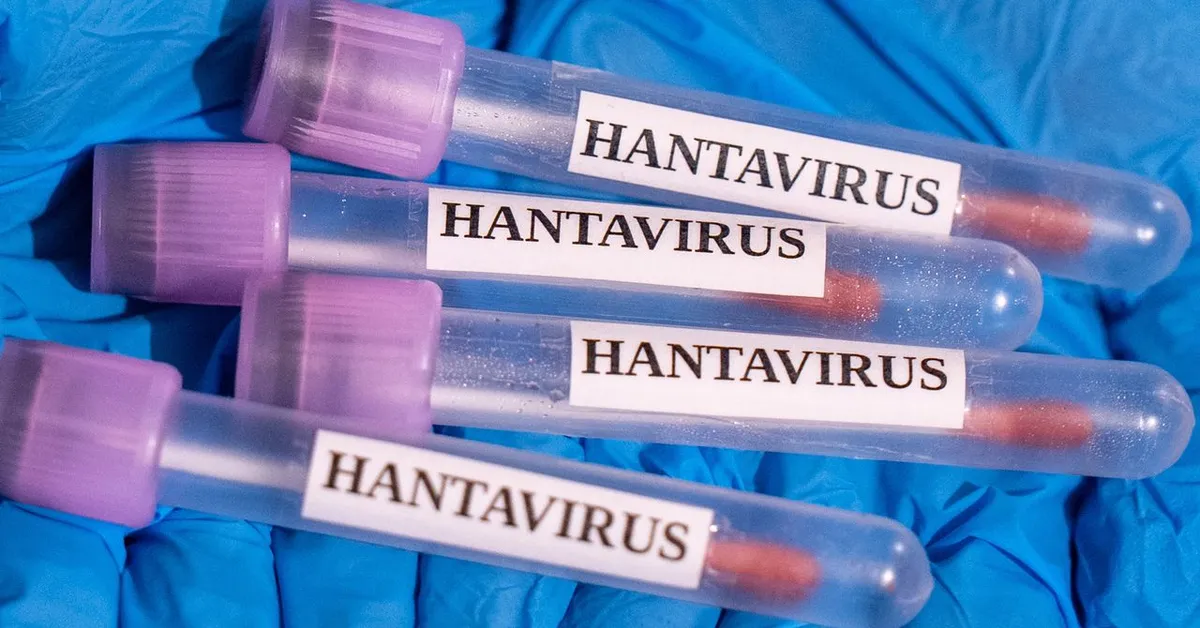
A cruise ship. The Atlantic Ocean. A viral outbreak. If your brain immediately started writing the screenplay for a disaster movie, congratulations - you have a very normal human brain. But before you spiral into full pandemic-panic mode, let's talk about why this particular situation is a lot less apocalyptic than it sounds.
A hantavirus outbreak has been confirmed aboard a cruise ship in the Atlantic, and yes, that is genuinely concerning. But according to reporting from Wired, the virus has one very important characteristic working in our favor: it is remarkably bad at spreading between people.
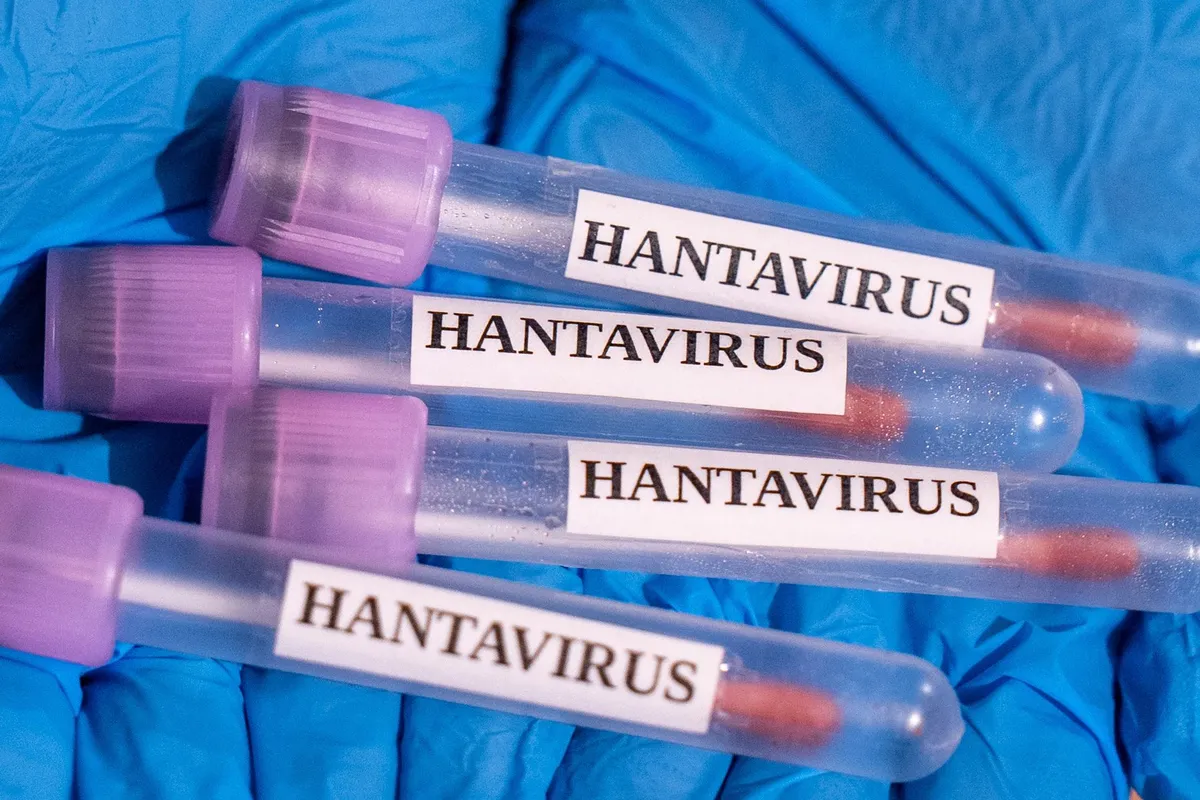
So how does hantavirus actually spread?
Here's the part that should immediately calm your nerves. Hantavirus isn't your typical "someone sneezed near me on the subway" kind of illness. The virus primarily spreads through contact with infected rodents - their droppings, urine, or saliva - not through casual human-to-human contact. This isn't COVID. You're not going to catch it from someone breathing near your continental breakfast.
That fundamental transmission barrier is precisely why global health experts aren't currently losing their minds over this situation. A virus that struggles to jump from person to person is a virus that has a very hard time becoming a pandemic.

Why a cruise ship is still a valid concern
Now, before you start feeling too smug and relaxed, let's be fair - a cruise ship is basically a floating petri dish under the best of circumstances. Close quarters, shared ventilation, buffet lines that the entire population of a medium-sized city touches simultaneously. If there's a rodent problem aboard (which is presumably how hantavirus entered the picture), that's a legitimate environmental issue that needs addressing immediately.
The concern here is real - it's just more about the onboard conditions and the welfare of the people already aboard than about the rest of us on dry land clutching our boarding passes.

The bottom line
Hantavirus is serious. For people who are exposed to it - particularly through rodent contact - it can cause severe respiratory illness with high mortality rates. This is not something to wave away entirely. The passengers and crew aboard that ship deserve swift, competent medical attention.
But a global crisis? A civilization-ending outbreak? A reason to never board a cruise ship again? Probably not. The virus's own biology is, ironically, its biggest limiting factor as a public health threat at scale.
So keep an eye on the situation, maybe appreciate that public health officials exist and are presumably already on this, and perhaps - just perhaps - reconsider booking the "romantic rodent-adjacent ocean getaway" package. Some cruises are better in the brochure anyway.