Remember when being "healthy" meant eating a salad and going for a jog? Cute. Those days are gone, and in their place we have a sprawling, slightly unhinged wellness industrial complex that wants you to track your cortisol, inject peptides, and spend your lunch break in a cold plunge tank. Relax, they say. It will only cost you $400 a month.
How did we get here?
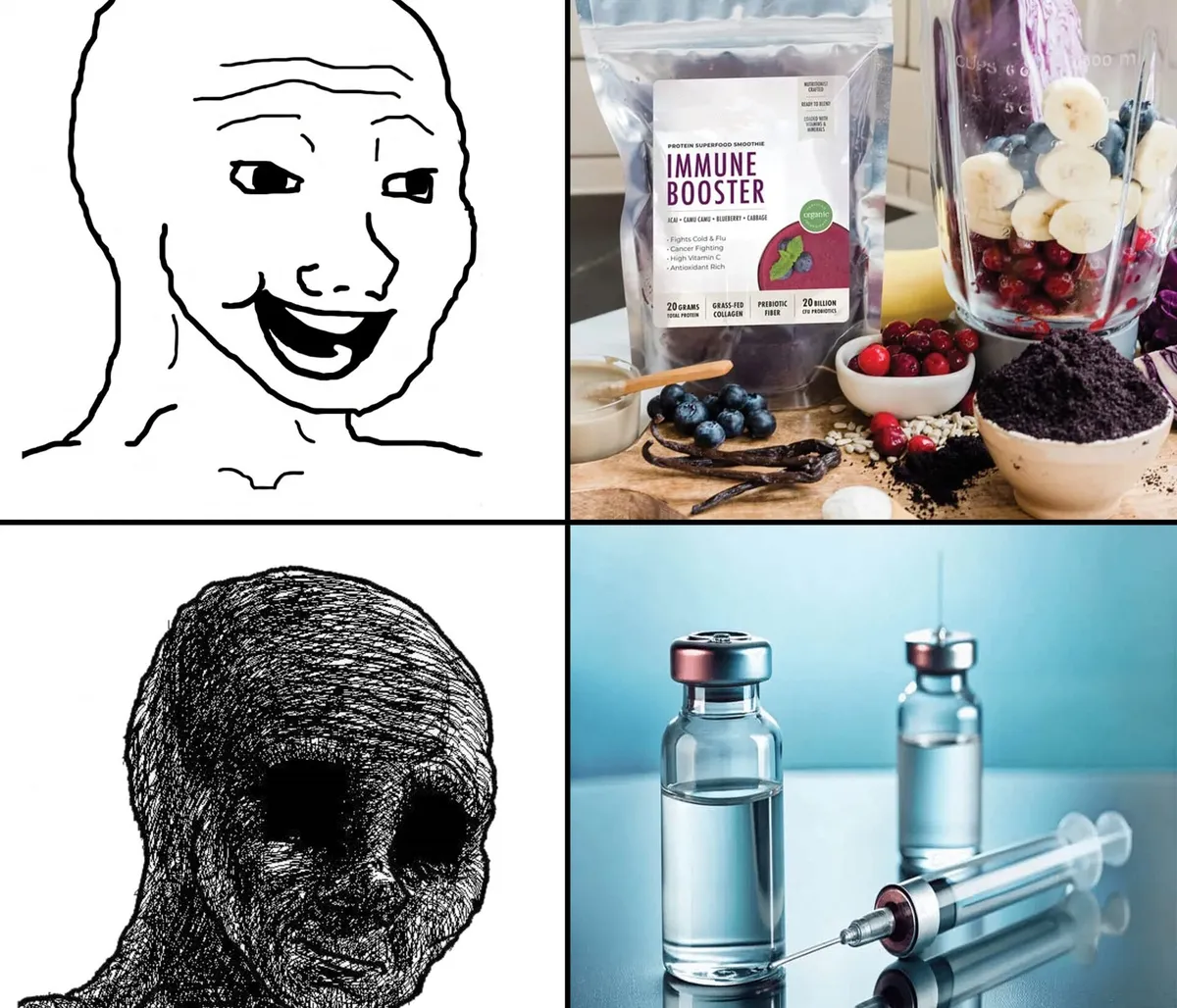
As i-D reports, the journey from superfood smoothies to clinical-grade biohacking happened faster than you can say "ashwagandha." What was once a fairly chill corner of the lifestyle world - think yoga mats and vitamin C supplements - has quietly absorbed the language, the aesthetics, and frankly the price tag of actual medicine.
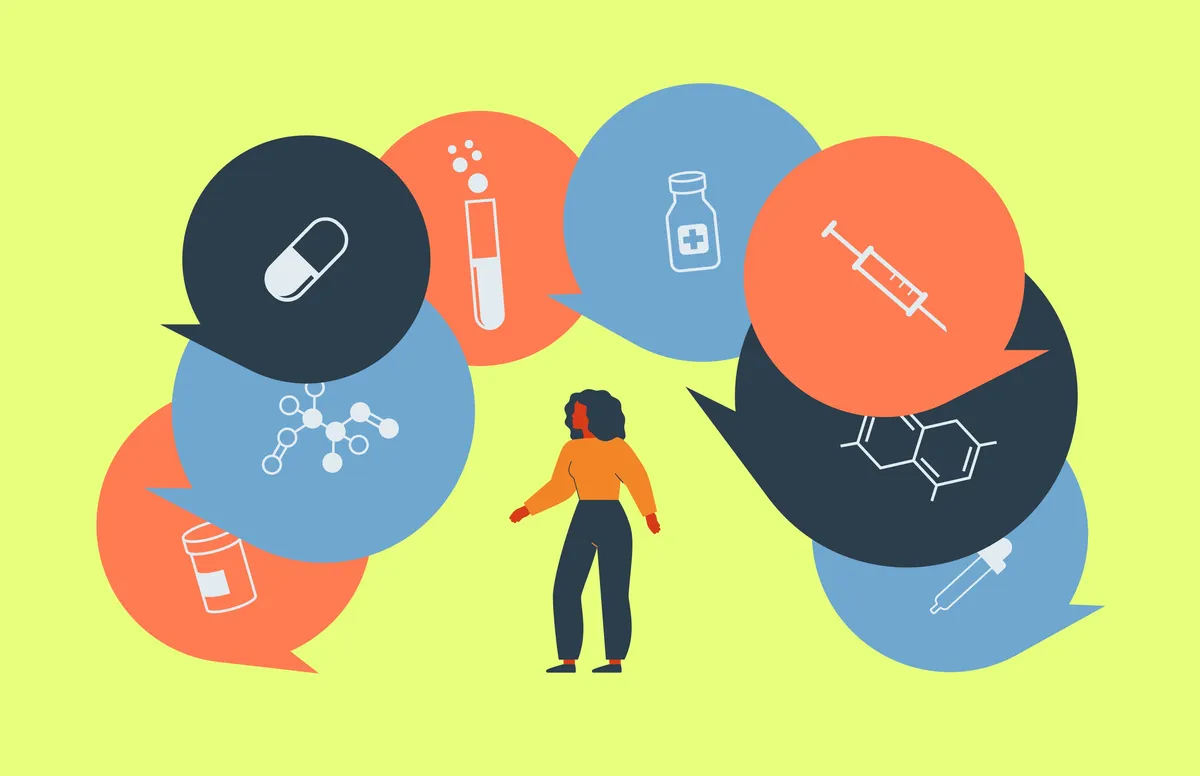
We are now living in an era where "wellness" can mean anything from a $12 adaptogen latte to a personalised peptide injection protocol supervised by a concierge doctor you found on Instagram. The gap between those two things is enormous. The confidence with which both are sold to you is identical.
Science as a selling point
Here is the uncomfortable truth lurking behind all of this: the scientific framing is doing a lot of heavy lifting. Slap the word "optimisation" on something, mention mitochondria in a TikTok caption, and suddenly you are not buying a supplement - you are investing in your longevity. It is a masterclass in branding, and we are all enrolled whether we signed up or not.
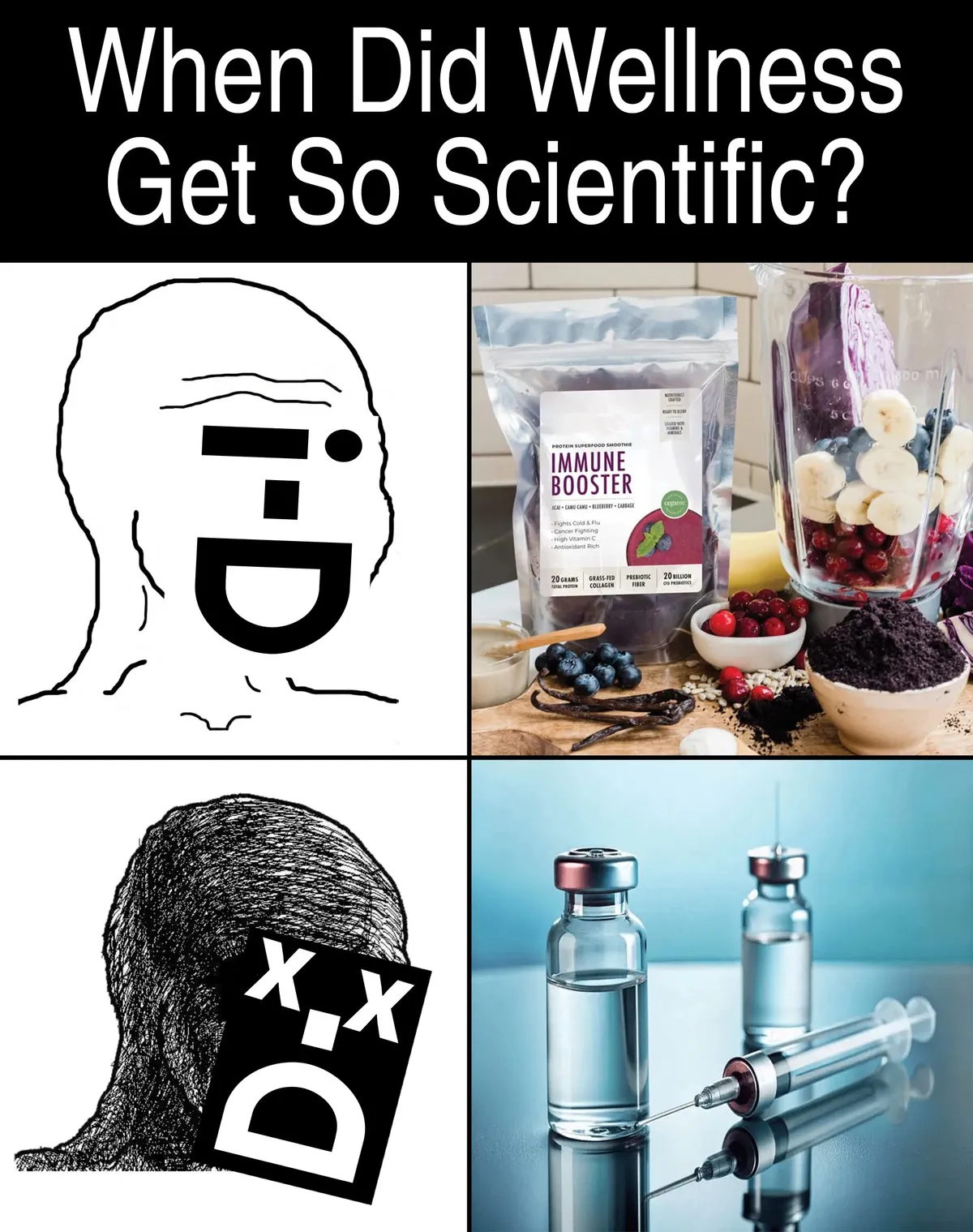
The shift matters because it changes what we think we need. When wellness looks like medicine, the bar for what counts as "taking care of yourself" gets quietly raised. Suddenly a full night's sleep is not enough if you are not also wearing a glucose monitor while you do it.
So what is actually going on?
Part of this is genuinely interesting science trickling out of research labs and into the mainstream a little too fast, stripped of context and nuance along the way. Part of it is savvy entrepreneurs who spotted that health anxiety is basically a renewable resource. And part of it is all of us, exhausted and hopeful, willing to try the thing that might finally make us feel better.
None of that makes the trend evil. Some of it is probably useful. But it is worth noticing when the pursuit of wellness starts to feel less like self-care and more like a second job with a very demanding boss who communicates exclusively through biometric data.
Maybe the most radical wellness move right now is deciding that you are already doing enough. Or at the very least, closing the tab before you buy the peptides.