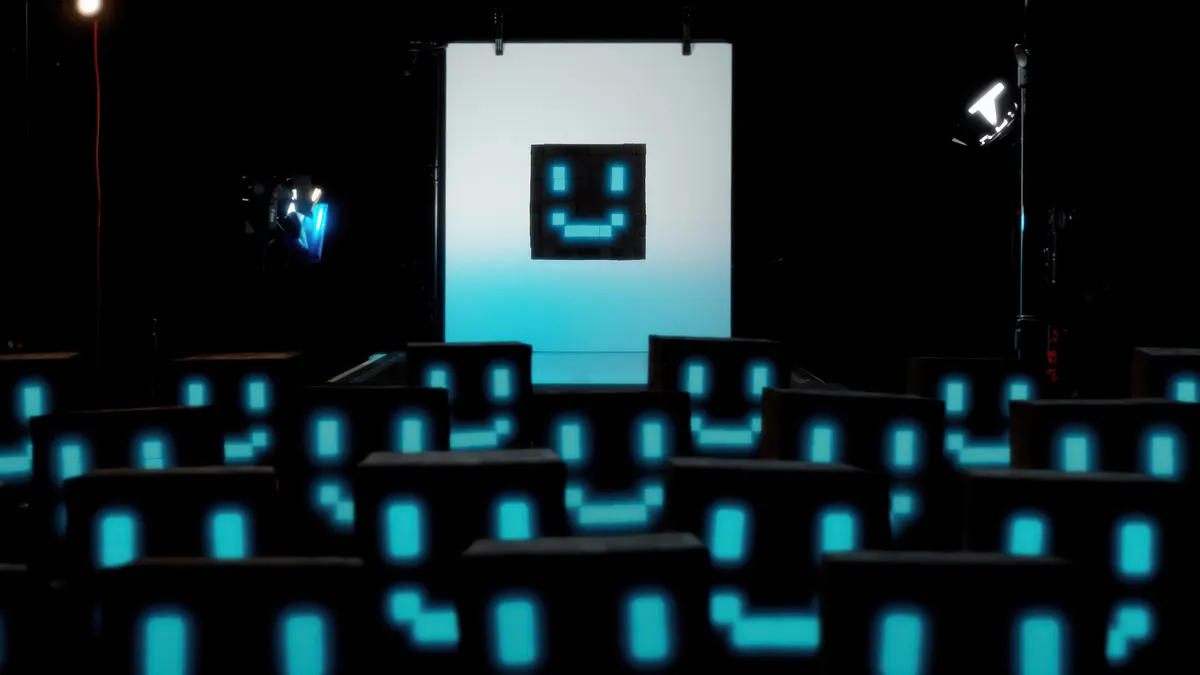
If you've spent any time online lately, you know the AI discourse tends to swing between breathless hype and full-scale dread. Daniel Roher, director of The AI Doc, thinks both extremes are missing the point - but one of them is actively harmful.
In a conversation with Mashable, Roher was direct: cynicism, he argues, is the only truly wrong response to artificial intelligence. Not skepticism, not caution, not even fear - but the kind of closed-off dismissiveness that stops people from engaging with what's actually happening around them.
Getting close to the people building AI
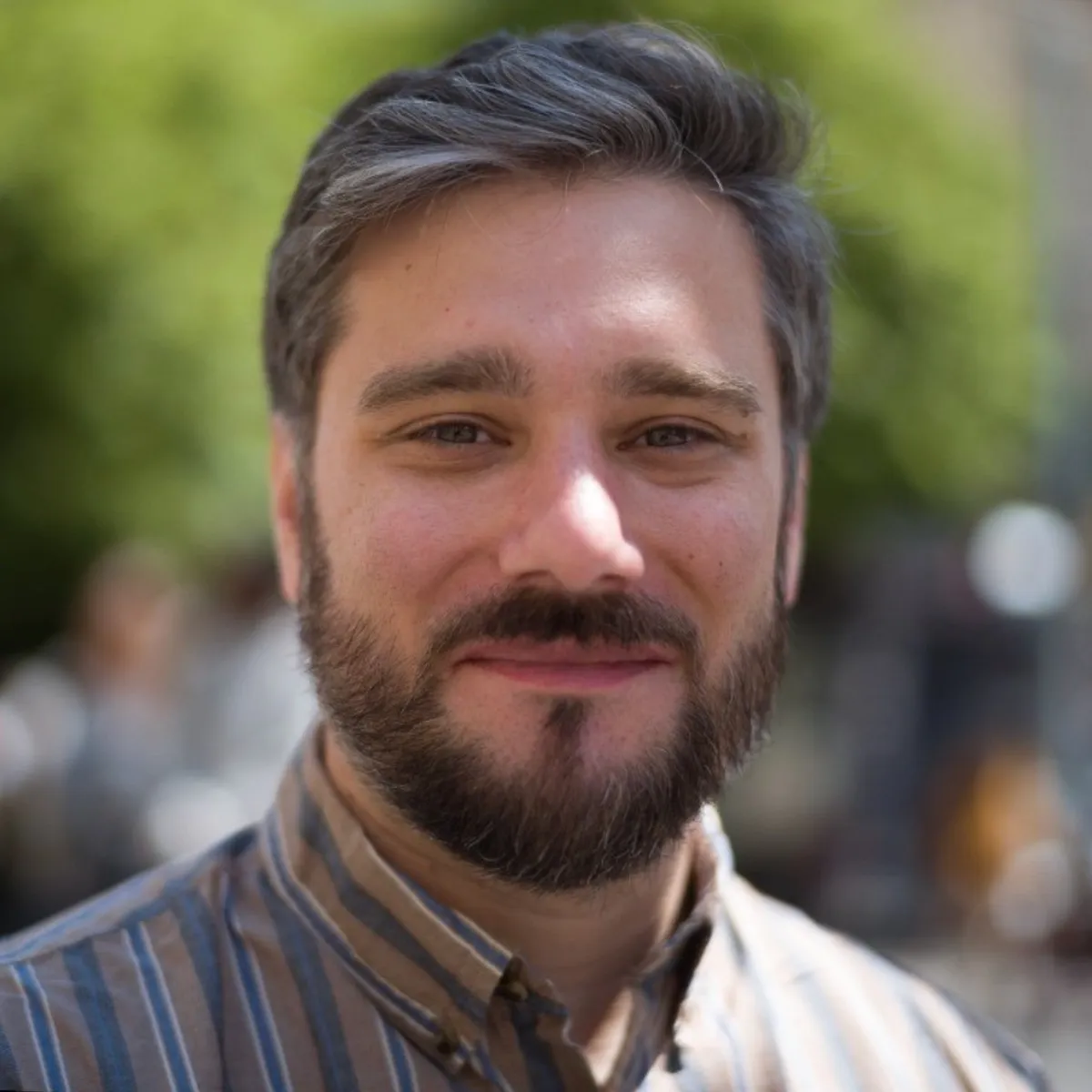
Making a documentary about AI means spending time with the people shaping it, and Roher didn't shy away from the complicated personalities involved. He talked openly about the "weird vibes" he picked up from OpenAI CEO Sam Altman - a figure who simultaneously reads as a true believer and someone carrying the weight of enormous, possibly world-altering decisions.
That human complexity is part of what makes the subject so compelling on film. These aren't cartoon villains or infallible geniuses - they're people navigating something genuinely unprecedented, and Roher seems to have found that both fascinating and unsettling in equal measure.
AI in the edit suite
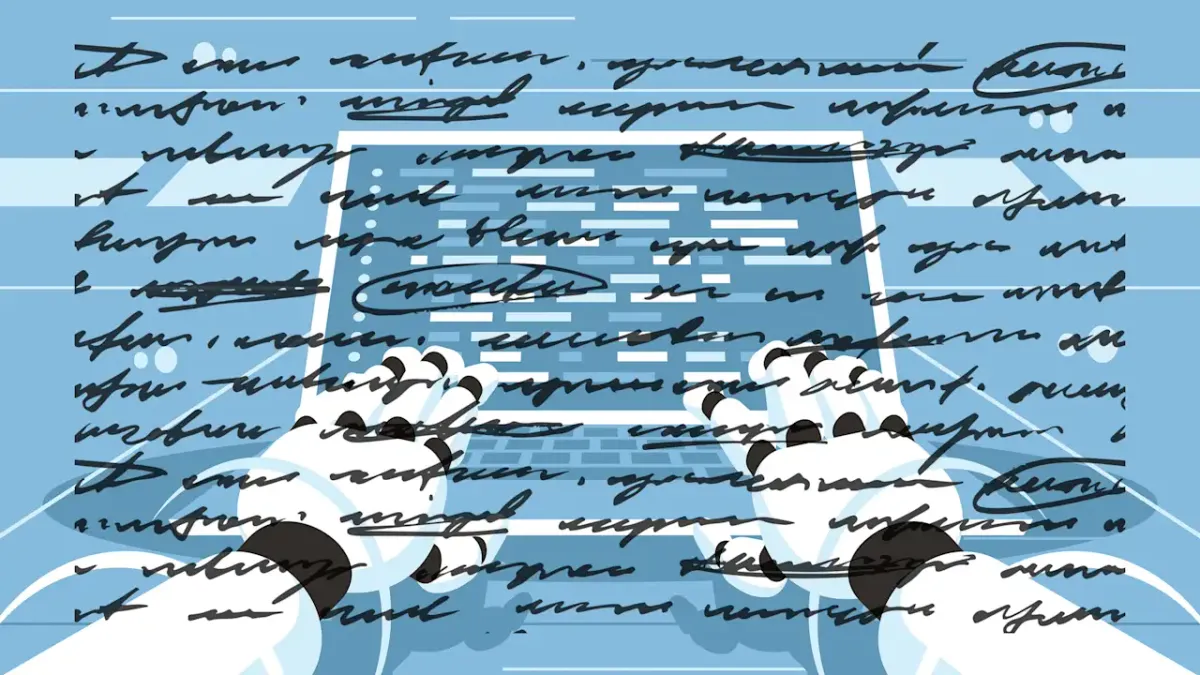
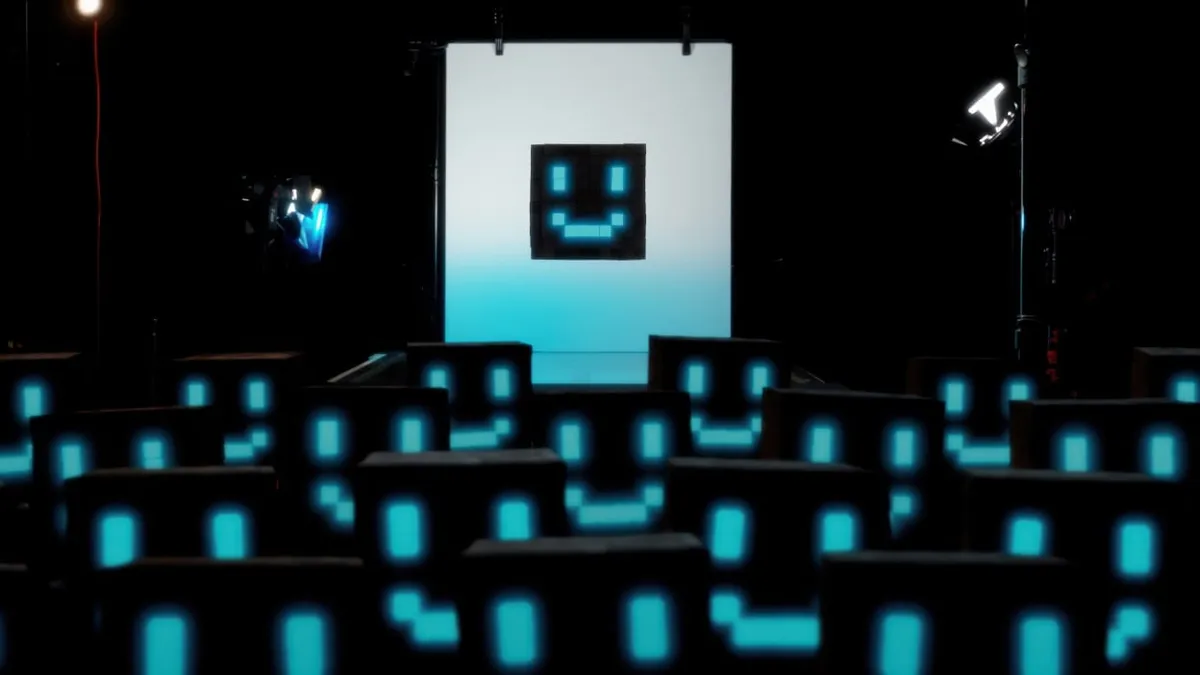
Roher also touched on his own experience using AI tools during the filmmaking process - a fitting detail for a director making a documentary on exactly this subject. It's the kind of hands-on perspective that keeps the film grounded. He's not theorizing from a distance; he's working with these tools himself and wrestling with the same questions his subjects are.
Why engagement matters more than your opinion
The core of Roher's argument is that having a strong negative opinion about AI and then checking out is a luxury we can't really afford right now. The technology is developing fast, the stakes are genuinely high, and the people making decisions about its future are paying attention to where public sentiment lands.
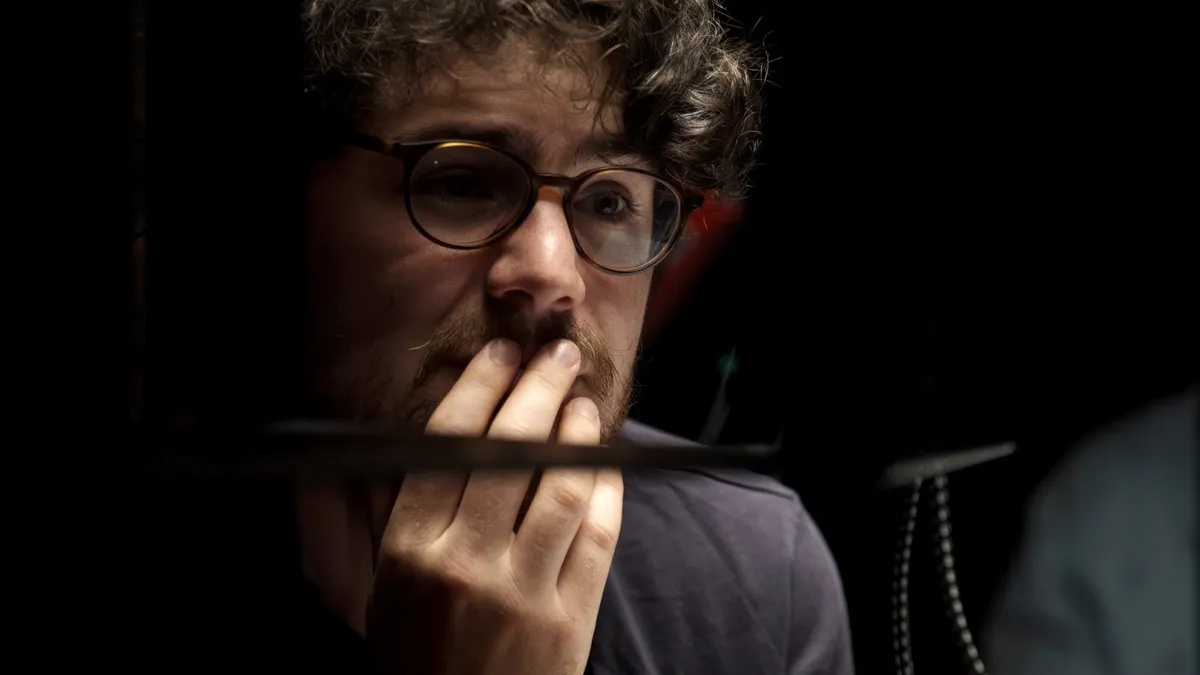
That doesn't mean everyone needs to become an AI optimist. Healthy skepticism, asking hard questions, and pushing back on bad applications of the technology are all valuable. What Roher seems to be pushing against is the posture of "this is all terrible and I want nothing to do with it" - because that posture, however understandable, removes people from a conversation that needs as many thoughtful voices as possible.
It's a refreshing take in a space that often feels like a shouting match between two camps who've already made up their minds. Whether you walk away from The AI Doc feeling hopeful or worried, Roher clearly wants you walking away curious - and paying attention.