
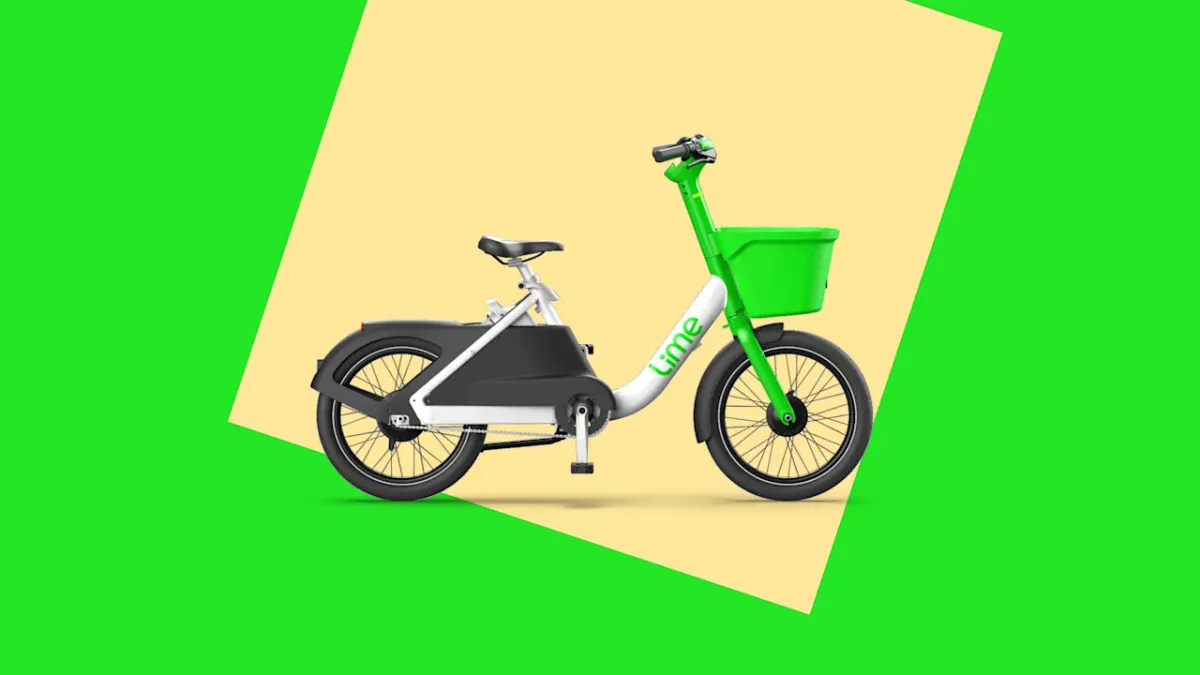
If you've ever wrestled a shared e-bike out of a dock only to realize it's basically the size and weight of a small motorcycle, you're not alone. Shared electric bikes have a bit of an accessibility problem - they tend to be built with a very specific rider in mind, and that rider is usually tall, strong, and pretty confident on two wheels. Lime wants to change that.
According to Fast Company, the bike-share company - one of the original dockless micromobility pioneers when it launched back in 2017 - has released a new generation of e-bikes specifically designed to be easier for more people to ride. Think riders who are shorter, less physically strong, or simply less experienced with bikes in general.
Why this actually matters
Micromobility only works as a practical transportation option if, well, most people can actually use it. Lime's bright-green bikes have become a fixture in major cities across the US, Europe, Australia, and the Middle East - but a fleet that's technically available doesn't automatically mean it's genuinely accessible. Heavy frames, high step-over heights, and unwieldy handling can turn what should be a quick, easy ride into a stressful physical ordeal.
For many people - especially shorter riders or those with less upper body strength - those friction points are enough to just skip the bike entirely and call a rideshare instead. That's a missed opportunity for sustainable urban transport, and it's the gap Lime is trying to close.
Design with inclusion built in
The redesign focuses on making the bikes feel more manageable from the moment you approach them. More accessible geometry, easier handling, and a design that doesn't assume you're built like a competitive cyclist are all part of the thinking. It's a shift that reflects a broader conversation happening in the cycling world about who bikes are actually designed for - and who gets left out when the answer is too narrow.
For cities trying to reduce car dependency and offer real alternatives, getting this right matters. A shared bike that's genuinely usable by a wide range of people is a much more powerful urban tool than one that only serves a fraction of residents comfortably.
It's a small but meaningful step, and honestly, one that's been a long time coming. The best transport solutions are the ones that don't make you feel like you need to qualify to use them.