If you've ever hiked through a dense Pacific Northwest forest, breathed in that cool, earthy air, and felt genuinely at peace with the world, you already understand intuitively why forests matter. They cover roughly a third of the United States and do an extraordinary amount of quiet, unglamorous work - filtering water, soaking up carbon dioxide, and sheltering wildlife that has nowhere else to go.
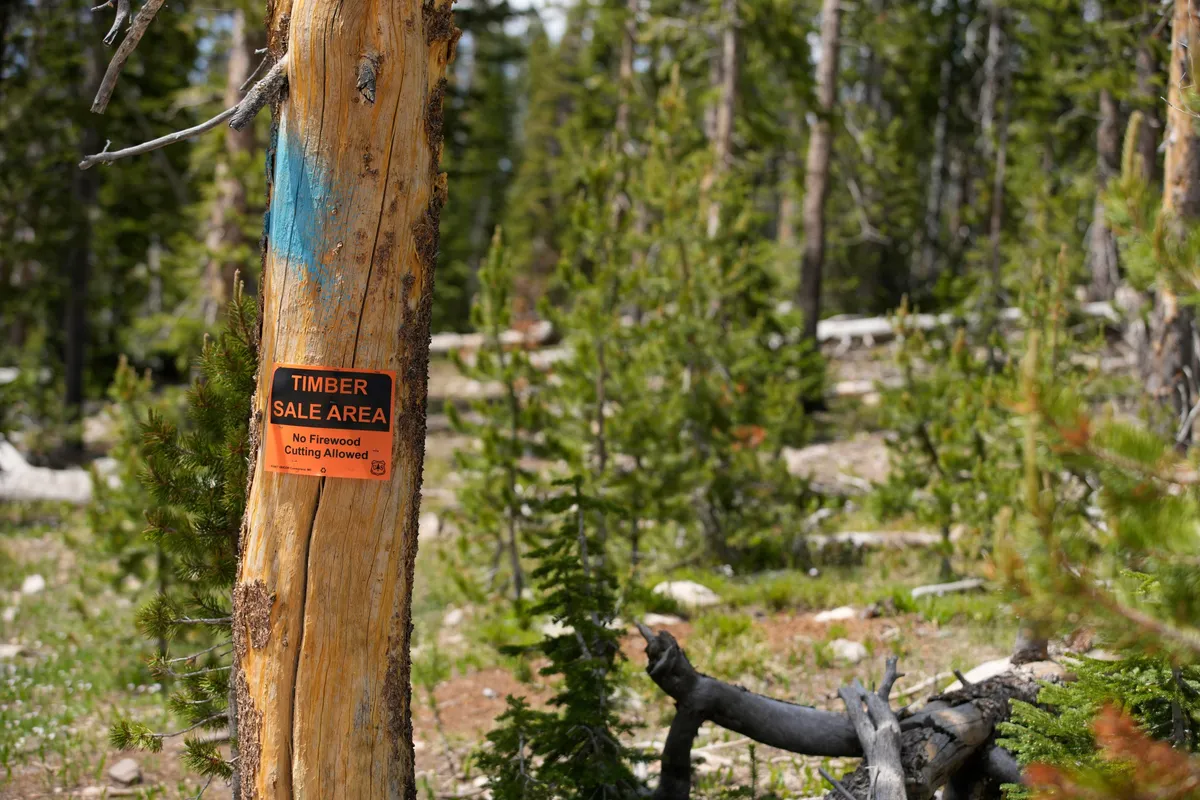
So when the Trump administration announced a plan last spring to significantly expand logging across public lands, environmental advocates were quick to push back. And honestly? Their concerns aren't hard to understand.
What's actually being proposed
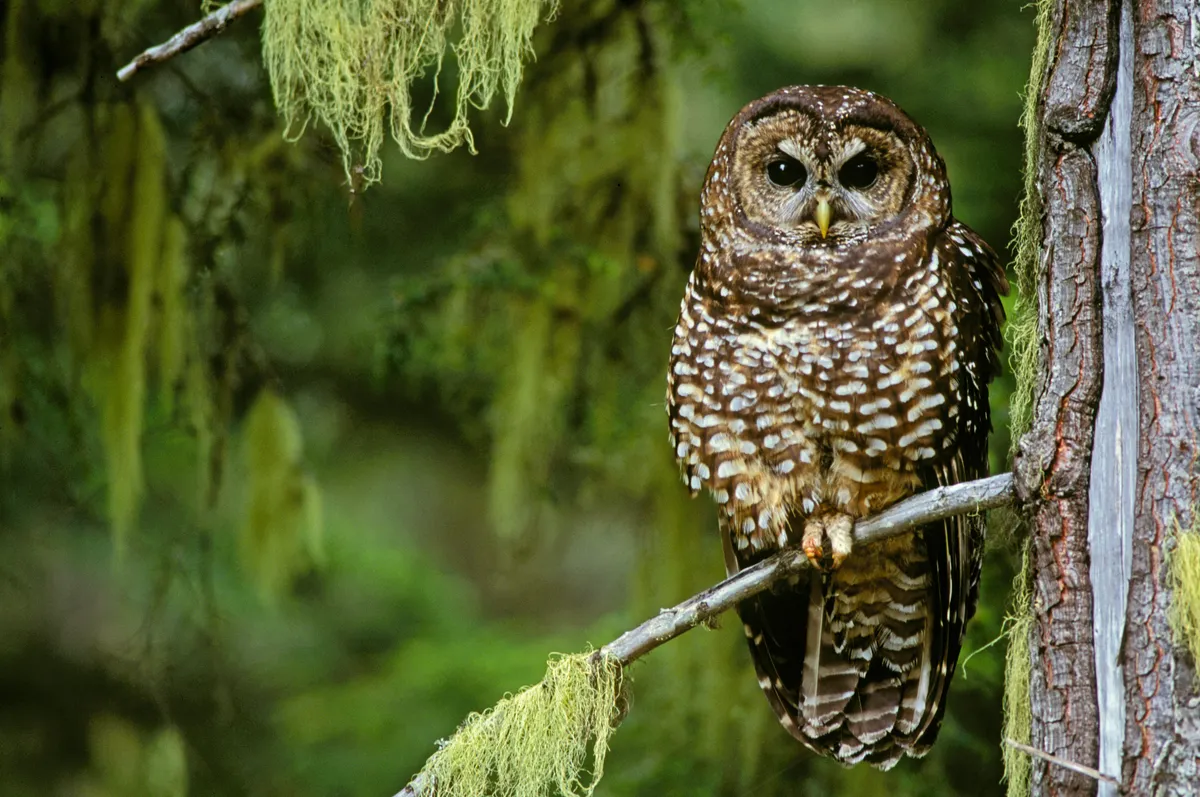
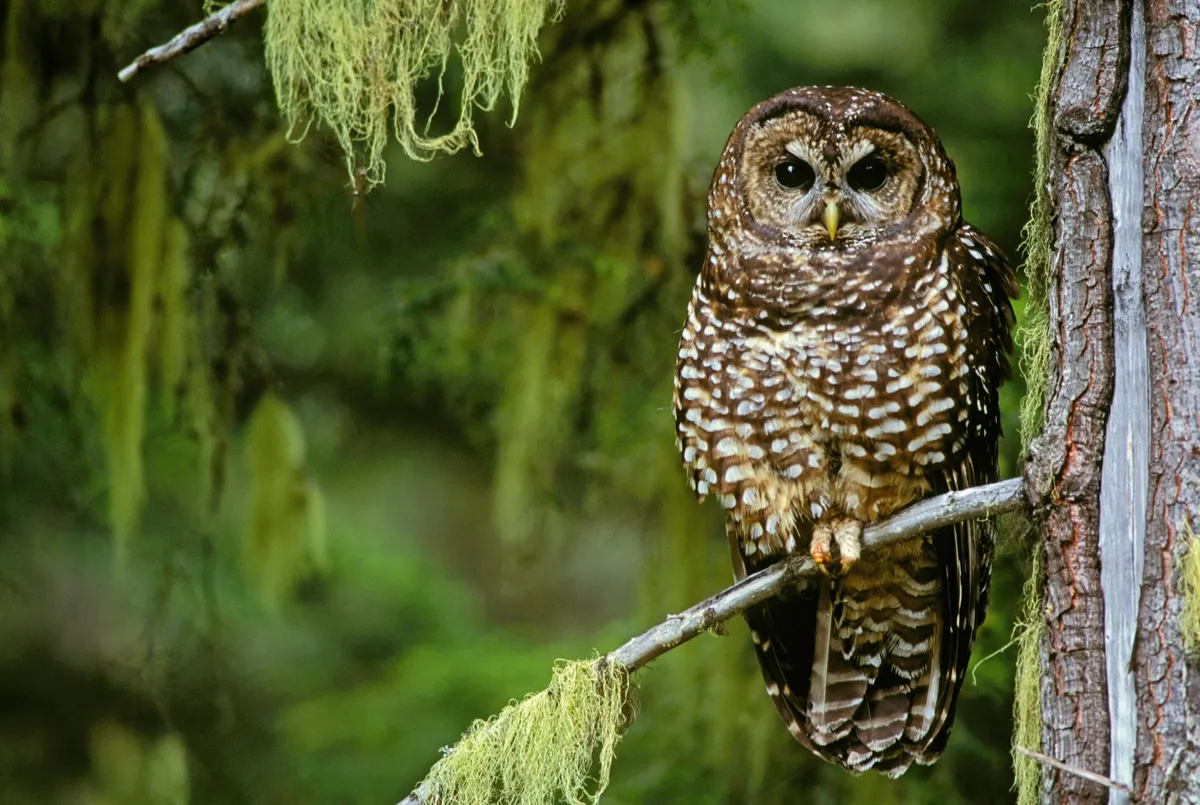
According to reporting by Vox, the administration's early March executive action set the stage for increased timber harvesting on federally managed forests. For conservationists, the timing felt particularly pointed - these are the same lands that support iconic and imperiled species like the northern spotted owl in Oregon's Willamette National Forest.
The spotted owl became a cultural flashpoint in the 1990s, when protections for old-growth habitat put it squarely at odds with the Pacific Northwest timber industry. Decades later, that tension hasn't gone away - it's just wearing different clothes.
The case for nuance
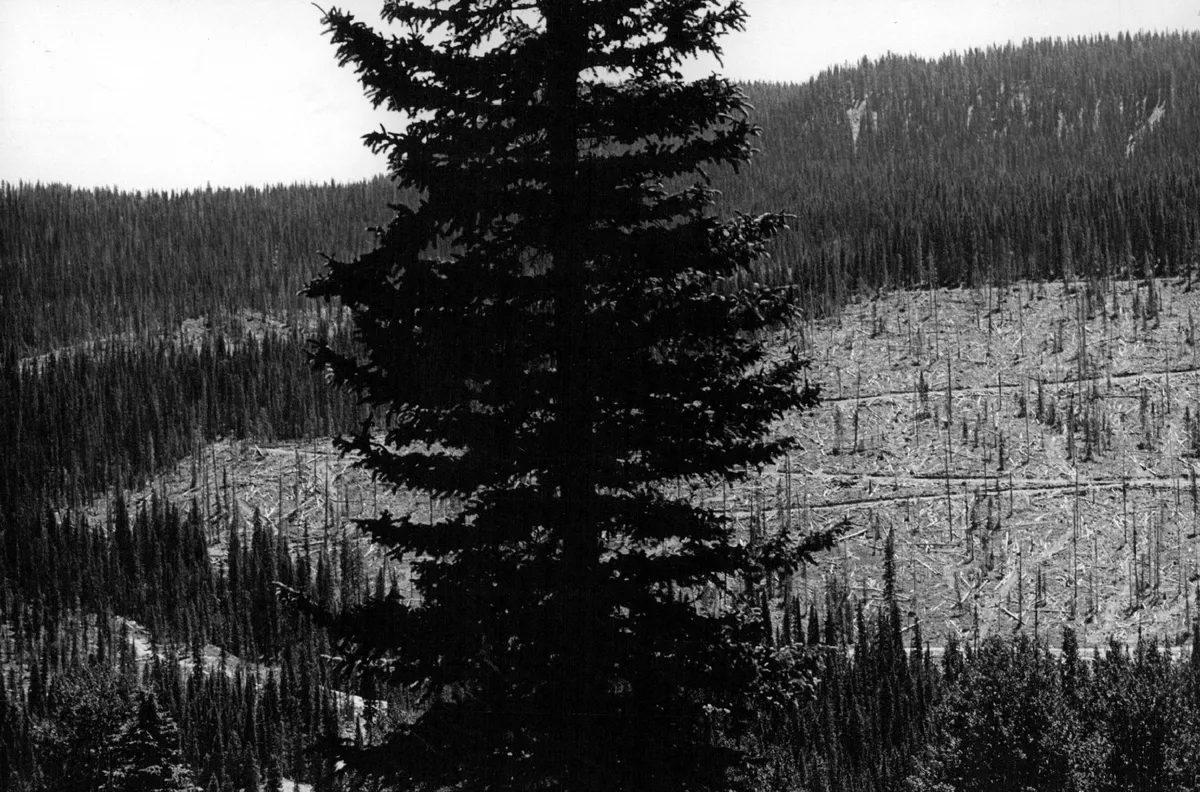
Here's where it gets genuinely interesting, though. The relationship between logging and forest health isn't as black-and-white as the loudest voices on either side tend to suggest. Some ecologists argue that carefully managed thinning can actually reduce the risk of catastrophic wildfires, which themselves release enormous amounts of carbon and devastate wildlife habitat far more completely than selective harvesting.
That doesn't mean all logging is fine - far from it. But it does mean that the conversation deserves more texture than a simple "logging bad, forests good" framing.
Why this matters for all of us
Even if you've never set foot in a national forest, you're connected to what happens in them. These ecosystems are doing climate work on your behalf every single day, pulling carbon out of the atmosphere and keeping watersheds clean. They're also places where millions of Americans hunt, fish, camp, and decompress from lives that feel increasingly screen-saturated and overscheduled.
The fight over logging policy is, at its core, a fight about what we value and who gets to decide. It's worth paying attention to - even if the details feel distant from your everyday life. Because the forests themselves are anything but distant. They're quietly keeping the lights on for all of us.